Escrito por: Rachel Allen
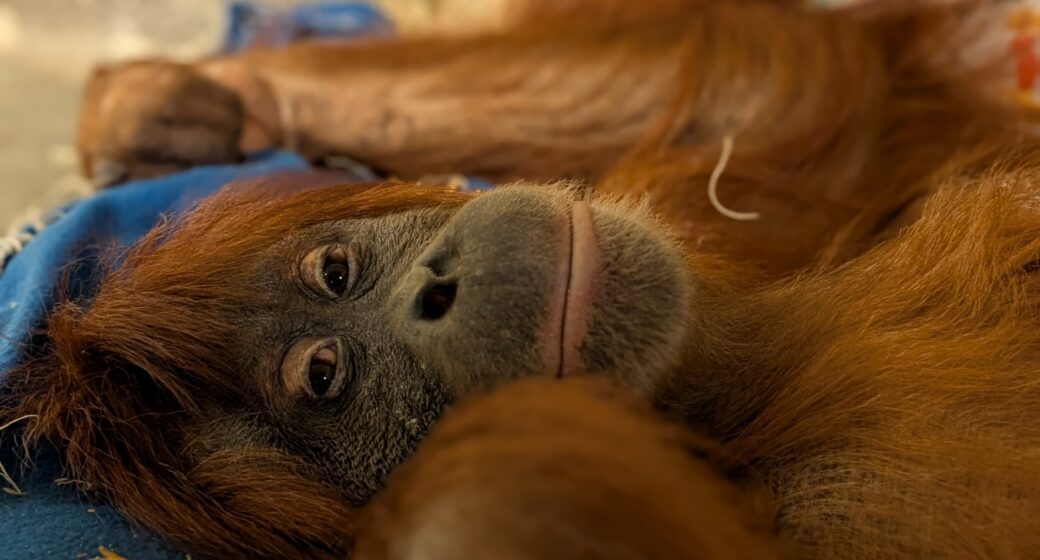
Dado que Hesty dará a luz la próxima semana, los especialistas en cuidado animal del pabellón de los grandes simios pensaron que sería interesante compartir parte del entrenamiento que hemos estado realizando con ella durante los últimos nueve meses. Una parte importante de nuestro trabajo en el zoológico consiste en entrenar a los animales para que participen voluntariamente en su propio cuidado médico, lo que ayuda a reducir la necesidad de anestesia o sedación.
Hesty nació aquí, en la Alianza para la Conservación del Zoológico de Denver, hace casi 16 años. Cuando nació, hija de Nias, que era madre primeriza, Hesty tuvo algunas dificultades para mamar correctamente. Esto se debió en parte a la inusual posición del pezón de Nias, sumado al hecho de que nunca antes había tenido una cría de orangután. Durante los primeros días, Hesty no lograba agarrarse bien al pecho, por lo que tuvieron que levantarla a mano temporalmente para alimentarla. Hesty fue devuelta a Nias un par de veces, y el entrenamiento ayudó a Nias a guiarla para que lograra agarrarse y mamar con éxito. A medida que Hesty crecía, los especialistas en cuidado animal notaron que había heredado las mismas características anatómicas que su madre. Esto significa que podría enfrentar dificultades similares al amamantar a su propia cría.
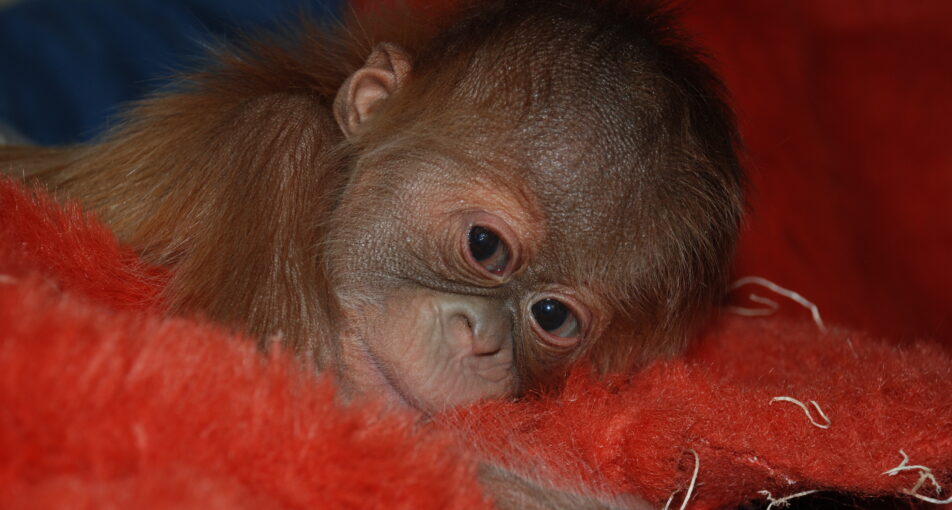
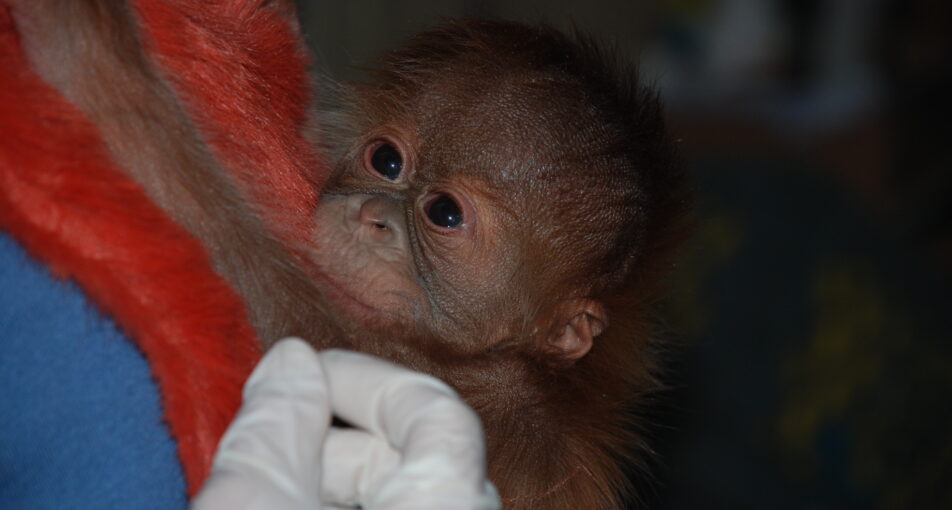
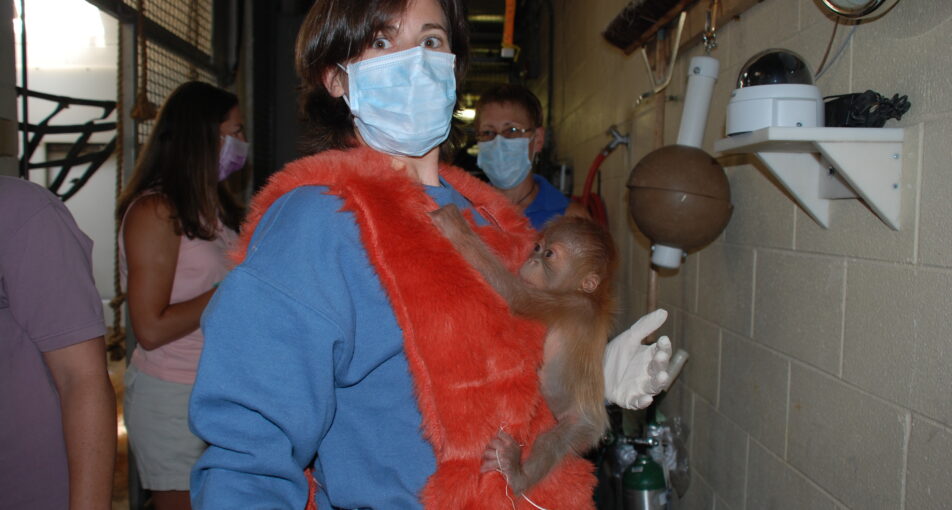
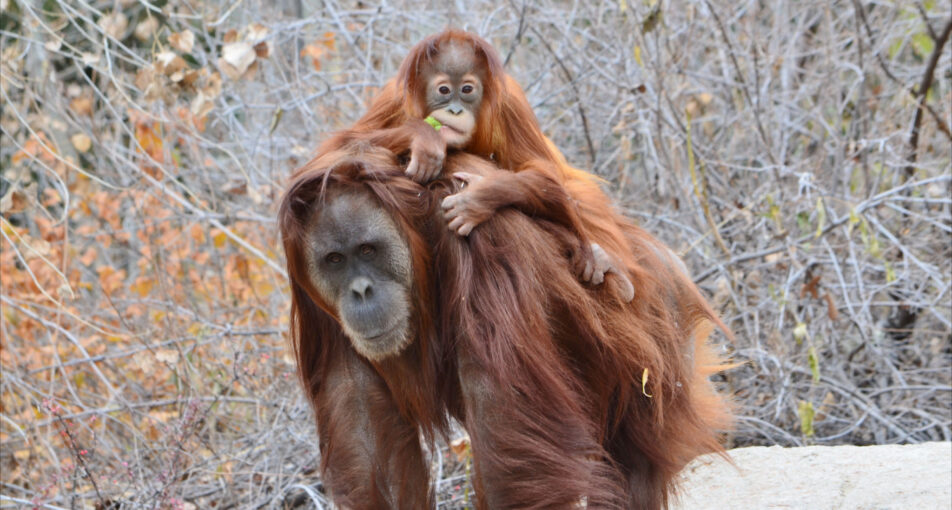
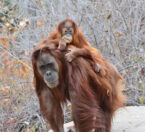
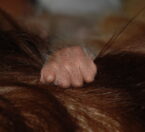
Con este conocimiento, los especialistas en cuidado animal comenzaron a trabajar con Hesty hace años para exponer su pecho a la malla, de modo que se sintiera cómoda en esa posición y también permitiera el tacto. También le enseñamos desde pequeña a orinar cuando se le pedía, para poder recolectar muestras de orina para análisis hormonales. Este comportamiento se solicitaba con regularidad y es así como los especialistas en cuidado animal pueden controlar sus ciclos menstruales, que comenzaron alrededor de los cinco años. Estos dos comportamientos serían muy importantes más adelante, cuando Hesty tuviera edad suficiente para tener crías.
DZCA forma parte del Programa de Supervivencia de Especies de Orangutanes de la Asociación de Zoológicos y Acuarios, que funciona como un servicio de búsqueda de pareja para orangutanes, teniendo en cuenta la genética, la compatibilidad y otros factores. Nos ayudaron a determinar que Hesty sería una buena pareja para nuestro orangután macho, Jaya. Le retiraron los anticonceptivos y se controló su ciclo menstrual mensualmente. En cuanto terminó su menstruación, pudimos recoger una muestra de orina y usar una prueba de embarazo humana (junto con algunos cambios anatómicos) para confirmar que Hesty estaba embarazada.
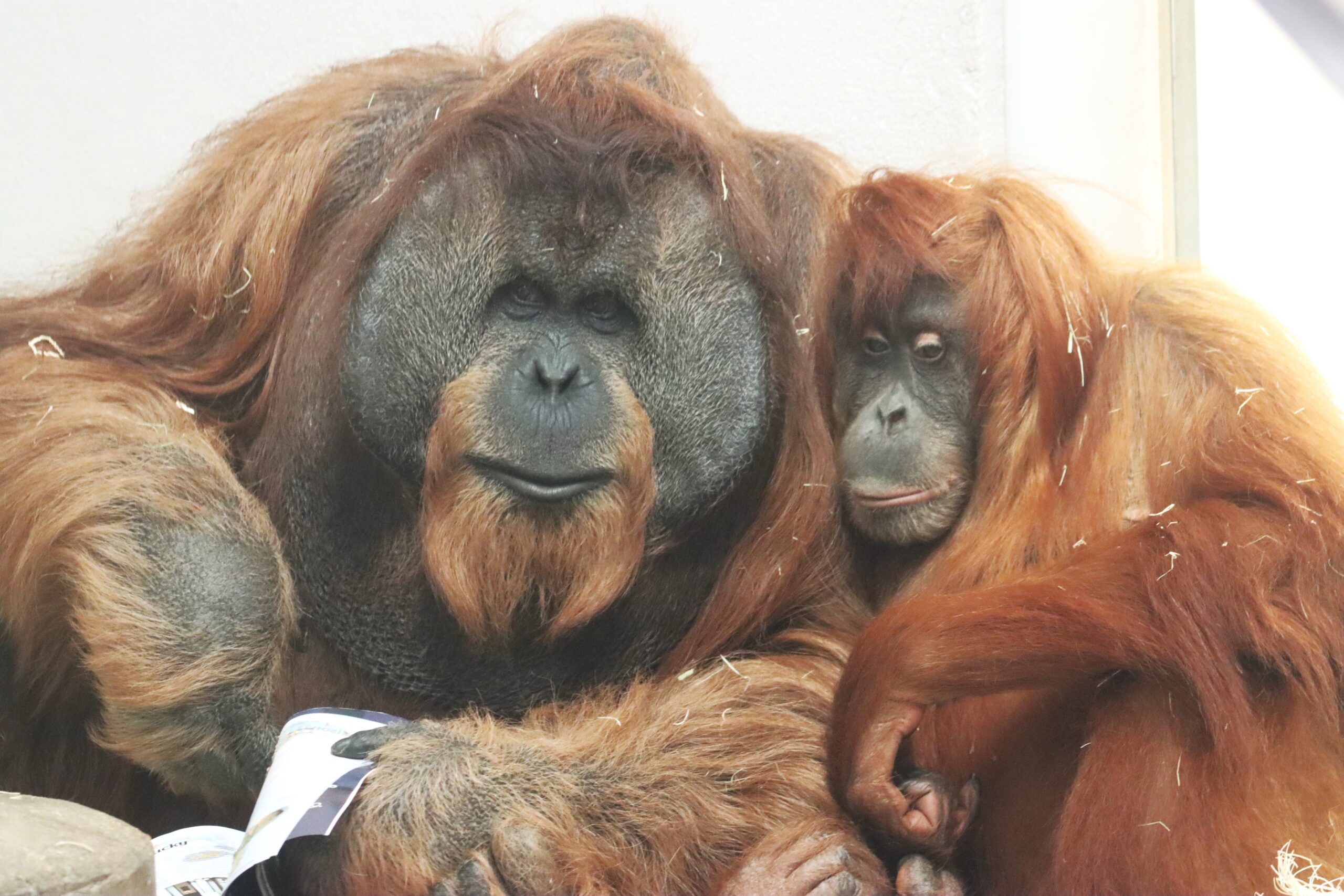
Una vez que supimos que Hesty estaba embarazada, comenzamos a entrenarla en una larga lista de comportamientos maternales. La primera prioridad fue el entrenamiento en ultrasonido para poder monitorear la salud y el desarrollo del bebé. Para ello, Hesty debía presionar firmemente su vientre contra la malla, mantener las manos en alto y conservar esa posición hasta por 10 minutos. Luego, el personal de atención debía aplicar gel de ultrasonido para alisar su cabello y facilitar el contacto con la sonda.
La entrenamos paso a paso, primero enseñándole la posición y luego aumentando gradualmente la duración mientras la recompensábamos con pequeñas golosinas. También usamos una sonda simulada para que se acostumbrara a la sensación. Sin embargo, cuando introdujimos el gel de ultrasonido, nos topamos con un problema. A Hesty no le gustaba el gel en su pelo y se apartaba inmediatamente para limpiárselo.
Tras un par de semanas intentando desensibilizarla al gel, cambiamos de estrategia. En consulta con nuestro equipo veterinario, optamos por usar agua tibia rociada sobre su pelo. Si bien no ofrece tantos detalles, nos permite observar el movimiento y la posición de la bebé, que es lo que más necesitamos. Hesty se sintió mucho más cómoda con este método y, desde entonces, hemos podido realizar ecografías con regularidad. Sin embargo, como cualquier ser vivo, a veces decide no participar, y siempre es su decisión. En esos días, intentamos animarla con premios especialmente apetitosos, como caramelos sin azúcar o incluso un chicle.
Hesty es madre primeriza, pero ha tenido muchas oportunidades de observar cómo cuidar a una cría. Pudo ver a Nias cuidar de su hermanita Cerah durante los dos primeros años de su vida, y luego Berani se hizo cargo de Cerah cuando Nias falleció inesperadamente. Más recientemente, Hesty ha podido observar a Eirina mientras cuidaba de Siska durante los últimos dos años y medio, y lo ha hecho con mucha atención. En la naturaleza, así es como los orangutanes jóvenes aprenden a cuidar de sus crías: observando a sus madres u otras hembras. Confiamos en que Hesty sabrá instintivamente qué hacer y cómo cuidar a su bebé, pero queremos asegurarnos de que, si necesita ayuda, podamos brindársela para que finalmente pueda criar a su bebé por sí sola.
Trabajando en equipo, diferentes especialistas en cuidado animal se centraron en distintas habilidades. Una continuó reforzando su comportamiento de presentación del pezón. Otra introdujo la presentación del biberón en la malla, enseñándole a Hesty a ignorar el biberón ya que sería para la cría, no para ella. Una tercera trabajó en enseñarle a "recoger" objetos usando un puntero láser y luego llevarlos a la malla para dárselos a un especialista en cuidado animal. También creamos pequeñas bolsas de arpillera llenas de heno para que actuaran como "cría". Los especialistas en cuidado animal adaptaron una rampa metálica existente (normalmente utilizada para extracciones de sangre voluntarias) para pasar de forma segura la "cría" de arpillera a Hesty. Ella aprendió a recuperarla, sujetarla y presentarla con calma en la malla. Una vez que se sintió cómoda con eso, pasamos a un orangután de peluche.
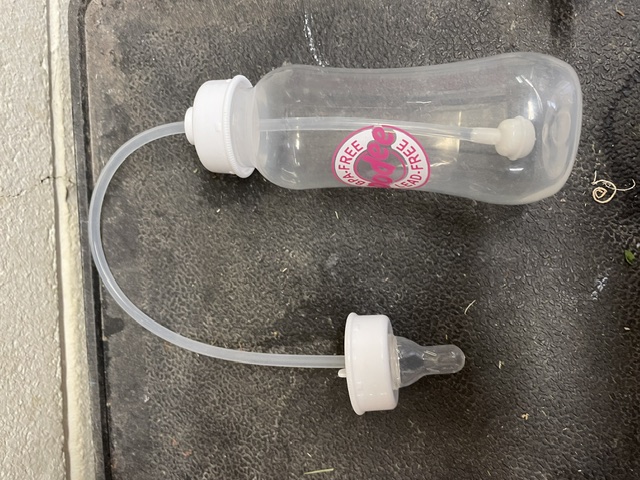
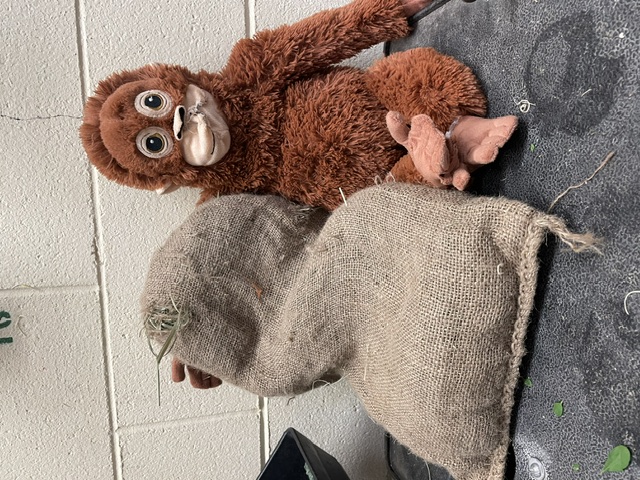
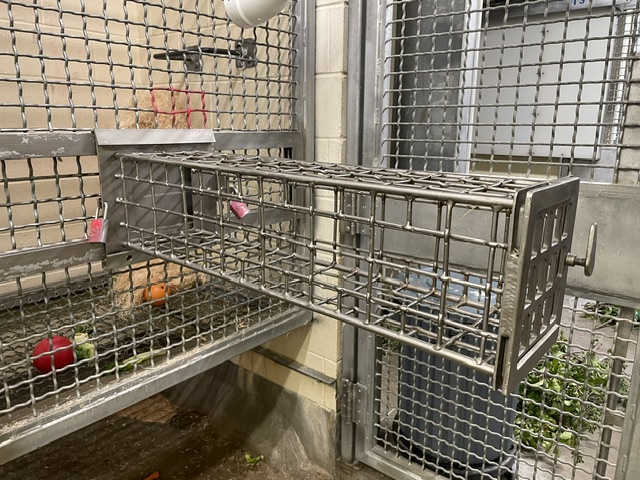
Aquí es donde confluyeron todos los comportamientos entrenados. A Hesty se le pidió que tomara al "bebé", lo llevara a la malla y lo colocara de manera que su "boca" tocara el biberón cuando se lo ofrecieran. Requirió práctica y algunos ajustes, pero lo aprendió rápidamente. Se la recompensa con fruta y otras golosinas por sostener tranquilamente al "bebé" durante estas sesiones. Los especialistas en cuidado animal también le enseñaron a Hesty a sostener al "bebé" contra su pecho con la "boca" cerca de sus pezones para simular cómo deberá colocar a su bebé real para amamantarlo. Al final de cada sesión, pedía devolver al "bebé" al conducto para que pudieran retirarlo de forma segura. Este comportamiento le permitiría a Hesty entregar a su bebé al personal de forma segura y voluntaria si se necesitara intervención o asistencia temporal para su crianza.
Esperamos que con todo este entrenamiento Hesty no necesite usarlo y que, por naturaleza, entienda lo que tiene que hacer y tenga éxito. Confiamos mucho en Hesty, pero a veces las mamás primerizas solo necesitan un poco de ayuda, y queremos poder brindársela.
Este ha sido un verdadero trabajo en equipo de todos nuestros especialistas en cuidado animal del equipo de primates. Juntos, confiamos en que Hesty está lo mejor preparada posible para esta nueva gran aventura.