Escrito por la diseñadora gráfica Stephanie Reaves
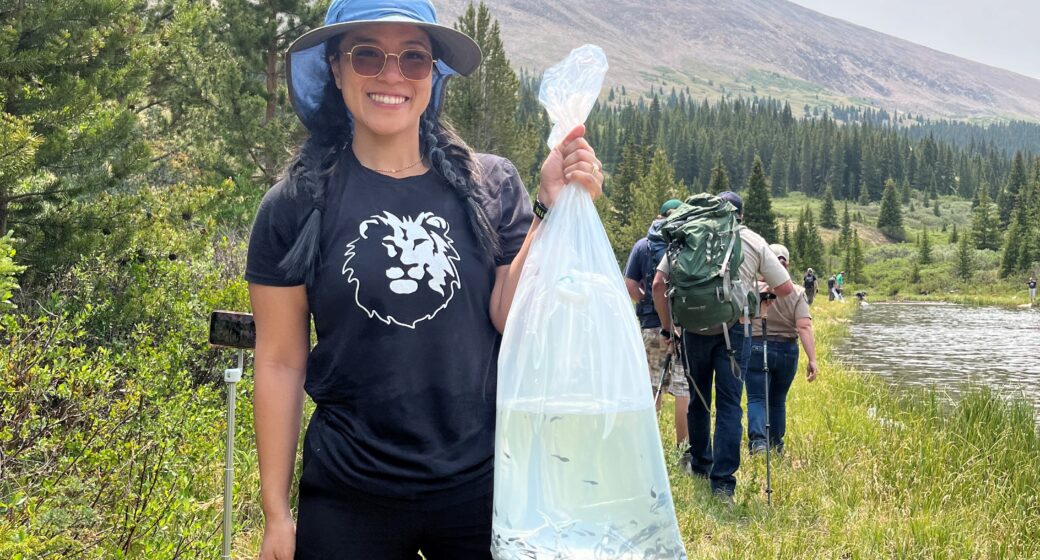
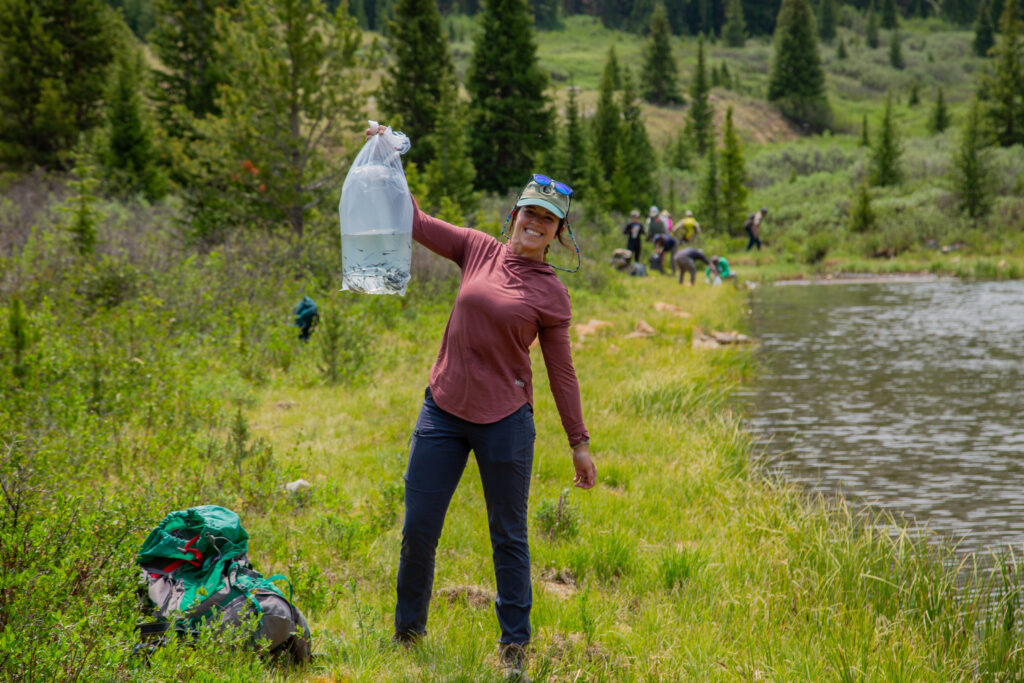
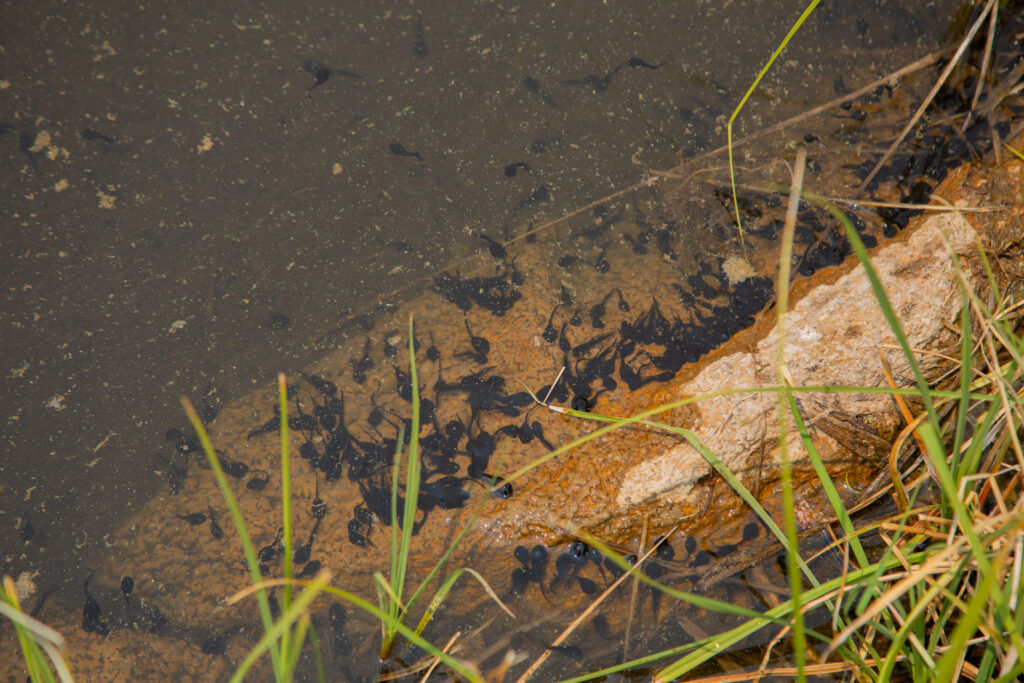
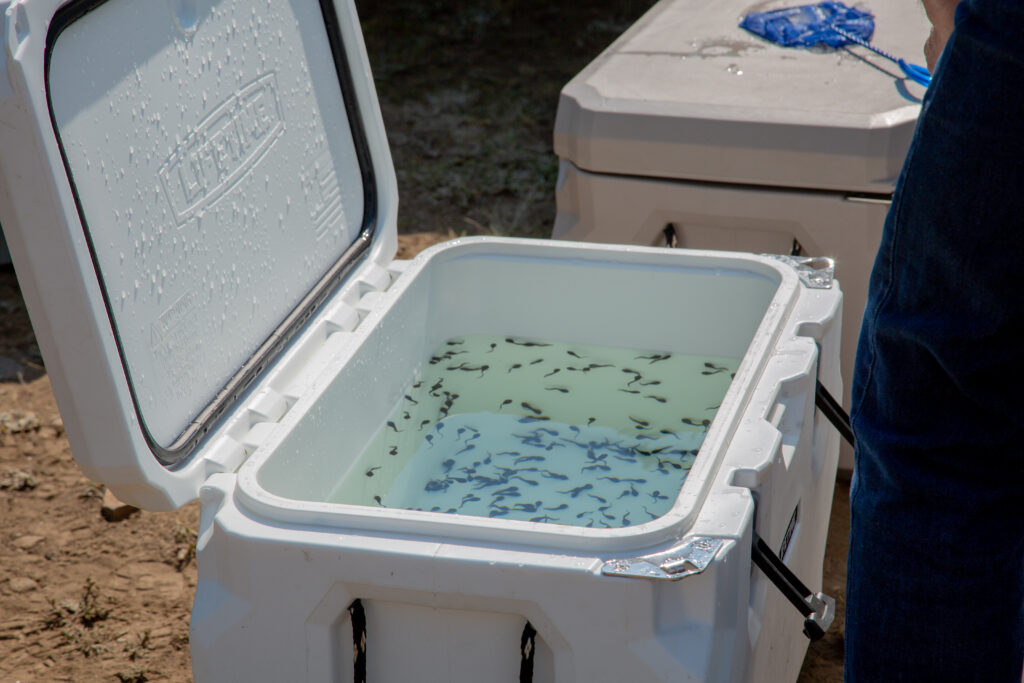
Cuando surgió la oportunidad de unirme a nuestro equipo de conservación de campo en Bird's Eye Gulch, cerca de Leadville, para liberar renacuajos de sapo boreal en un hábitat de humedales, inmediatamente quise formar parte de ello. Como persona que apoya las iniciativas de conservación a través de la narración visual y la comunicación, rara vez tengo la oportunidad de ver este trabajo de primera mano.
El viaje me permitió profundizar mi conocimiento sobre un programa de conservación en el que DZCA ha invertido durante años, a la vez que recopilaba material que me ayudará a compartir estos esfuerzos con nuestros visitantes, miembros, donantes y la comunidad en general. Ver el trabajo en persona me brindó un contexto valioso que me permitirá contar estas historias con mayor autenticidad y aprecio.
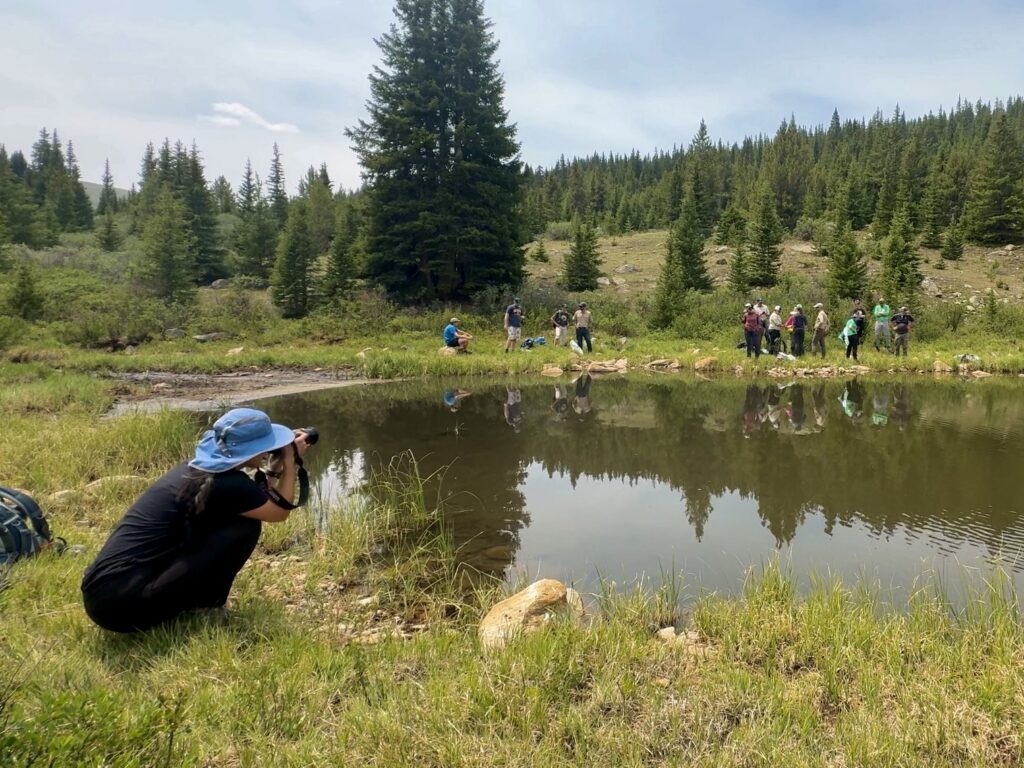
Como diseñador gráfico, gran parte de mi trabajo se desarrolla frente a la pantalla del ordenador. Salir al terreno me ofreció una perspectiva completamente diferente. Con una cámara en mano, pude documentar a las personas, los paisajes y los momentos que representan la esencia del trabajo de conservación, a la vez que adquirí una mayor apreciación por la experiencia, la dedicación y la colaboración necesarias para el éxito de estos programas.
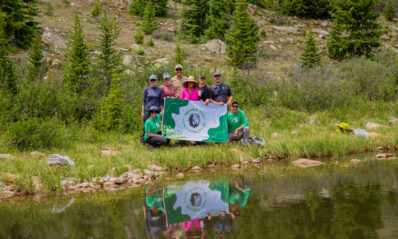
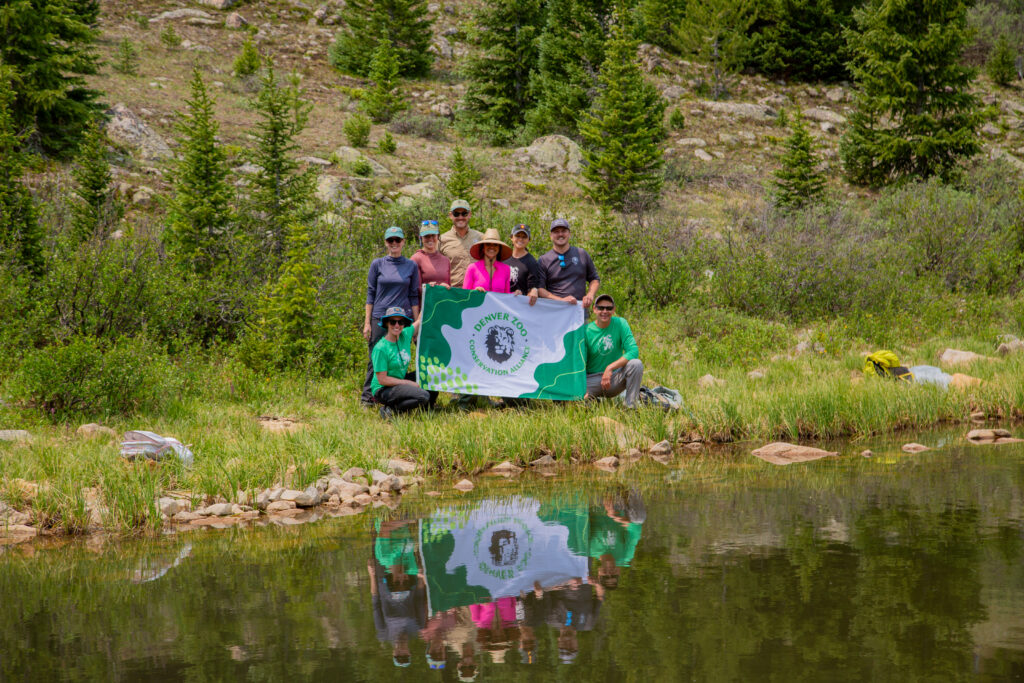
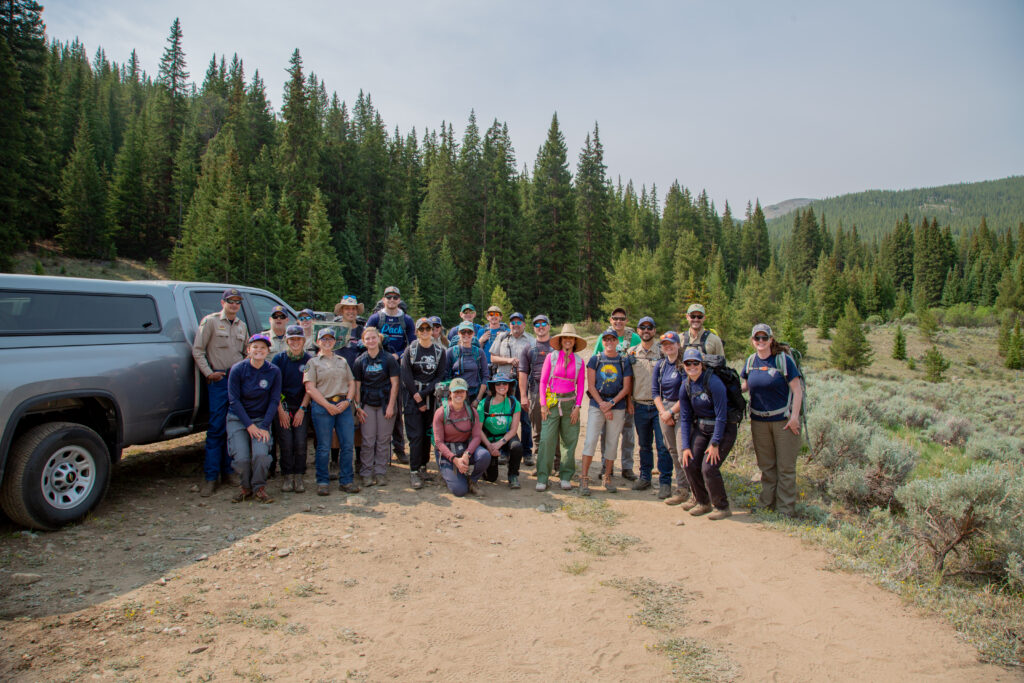
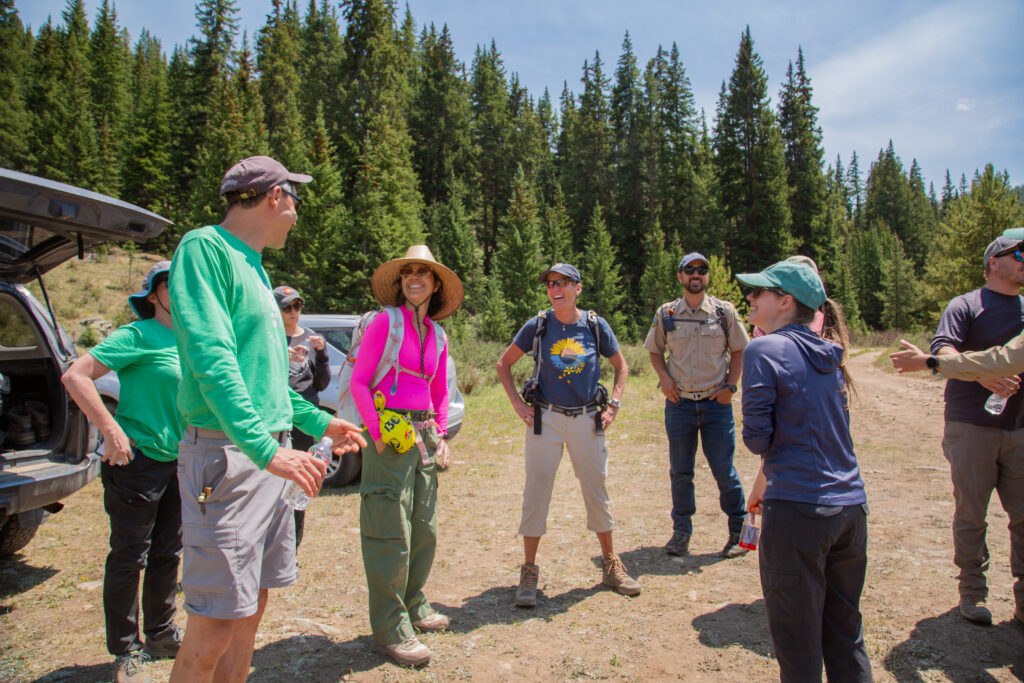
Además de aprender más sobre el programa del sapo boreal, conocí mejor a las personas que lo impulsan: desde el personal de conservación de campo y los socios de Parques y Vida Silvestre de Colorado hasta los estudiantes de la Universidad Estatal de Colorado y mis compañeros del equipo de DZCA. Compartir tiempo con ellos me permitió comprender cómo muchas personas y áreas de especialización se unen para apoyar un objetivo común de conservación.
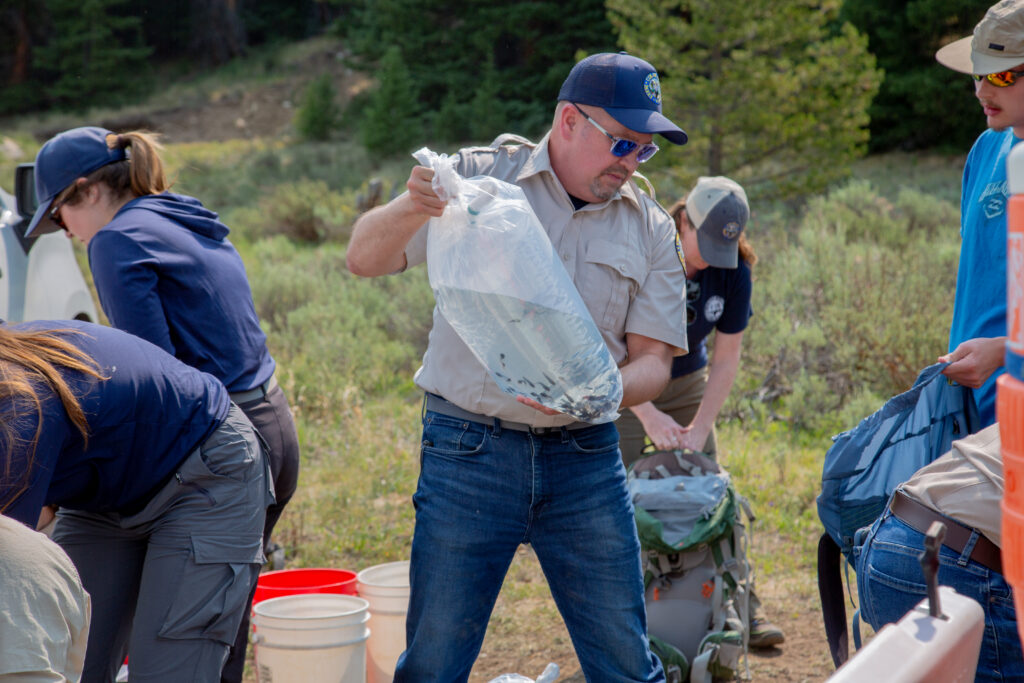
Una de las partes más significativas de la experiencia fue ver cómo el programa de conservación del sapo boreal culminaba su ciclo. Conocer la historia de DZCA con el programa y presenciar la liberación de renacuajos en un hábitat que podría sustentar a futuras generaciones permitió comprender la importancia de la conservación de una manera tangible. Observar la conexión entre el trabajo que se realiza en nuestro criadero de sapos y los esfuerzos que se llevan a cabo en el campo reforzó la idea de que cada paso —desde la investigación y el cuidado de los animales hasta el monitoreo y la gestión del hábitat— desempeña un papel fundamental en la recuperación de una especie en peligro de extinción.
Creo que oportunidades como esta son valiosas para todos los empleados de la organización, independientemente de su departamento o puesto. Si bien no todos participan directamente en el trabajo de campo, experiencias como estas fomentan una mayor comprensión de la misión que nos une a todos. Nos permiten conocer mejor el trabajo de compañeros con los que quizás no interactuamos habitualmente y nos ayudan a valorar las diversas maneras en que cada persona contribuye a la conservación. Salí de Bird's Eye Gulch con una mayor comprensión del programa del sapo boreal, un aprecio más profundo por las personas que lo impulsan y un renovado orgullo por el impacto colectivo de nuestro trabajo en DZCA.
¿Quieres saber más sobre la liberación del sapo boreal en 2026 y nuestras colaboraciones con múltiples agencias?