

 Español
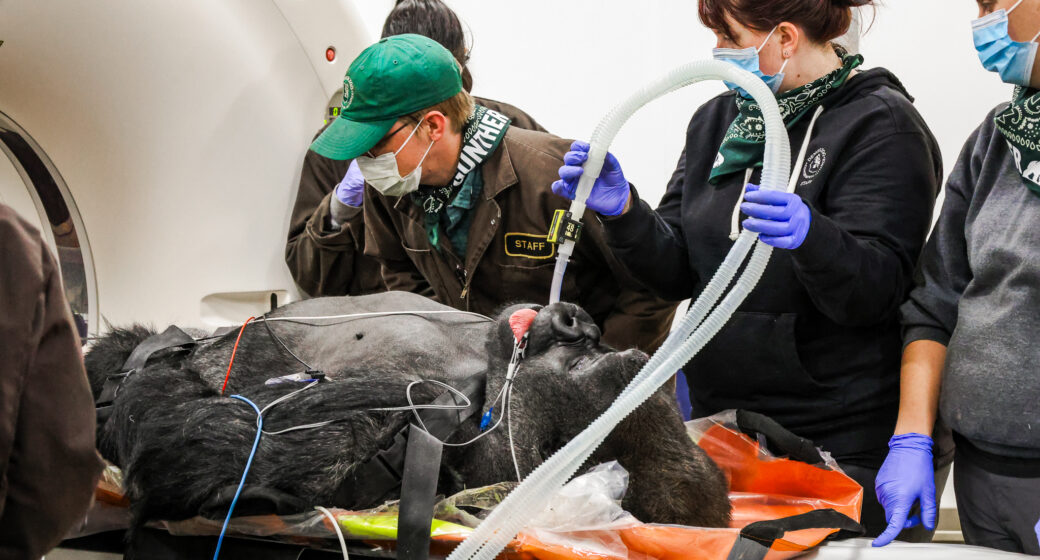
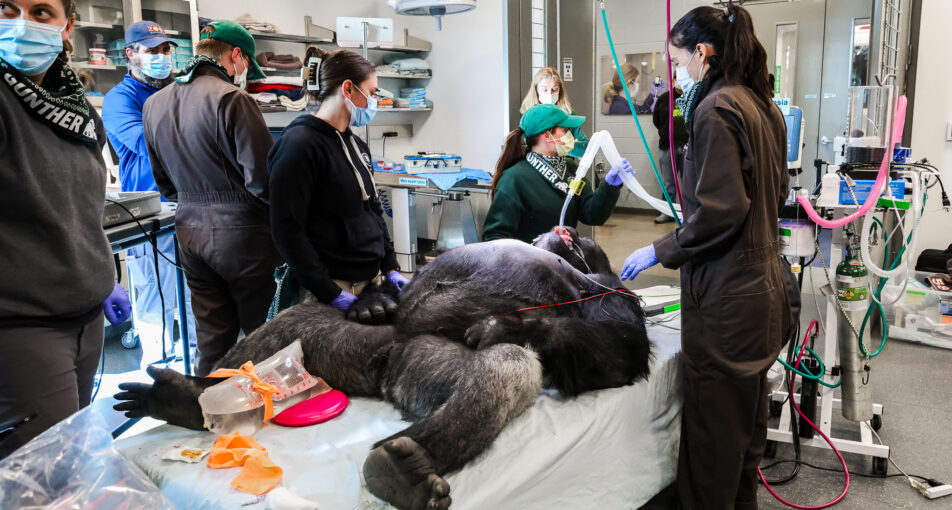
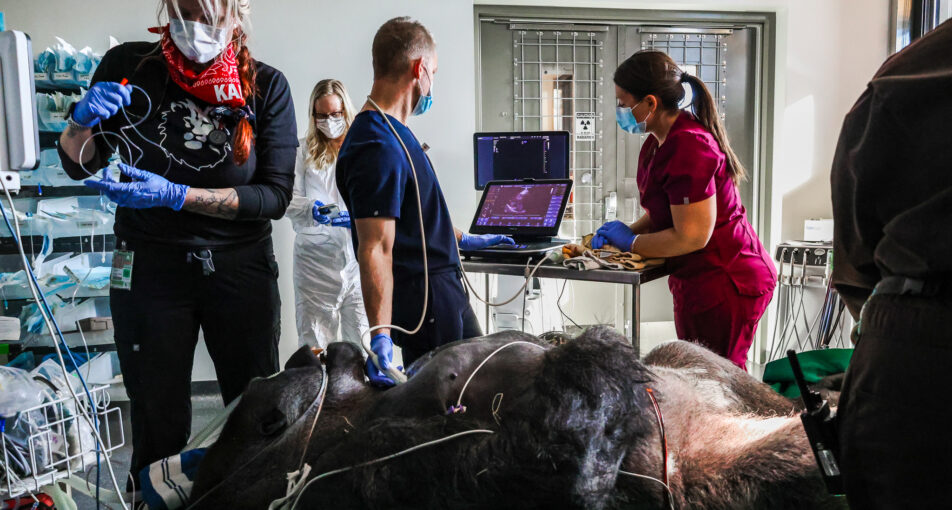
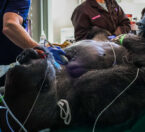
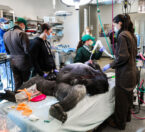
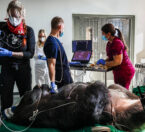
On December 10, our two Western lowland gorilla boys, Gunther and Kal, visited the Helen and Arthur E. Johnson Animal Hospital for routine preventative health exams. Following sedation, each gorilla was transported individually from their home in Primate Panorama to the Animal Hospital, where veterinary teams from Denver Zoo Conservation Alliance and partner organizations were ready to begin their work.
To keep care organized and efficient, two dedicated teams of Animal Care Specialists, Clinical Veterinarians, and Registered Veterinary Technicians (RVTs) were assembled—one for each gorilla. Team members identified themselves by wearing colorful bandanas: red for Kal and green for Gunther.
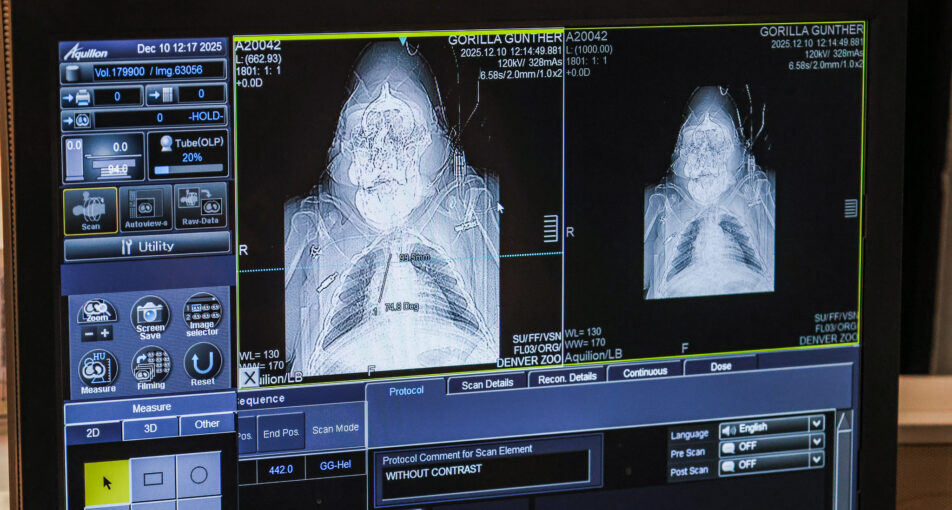
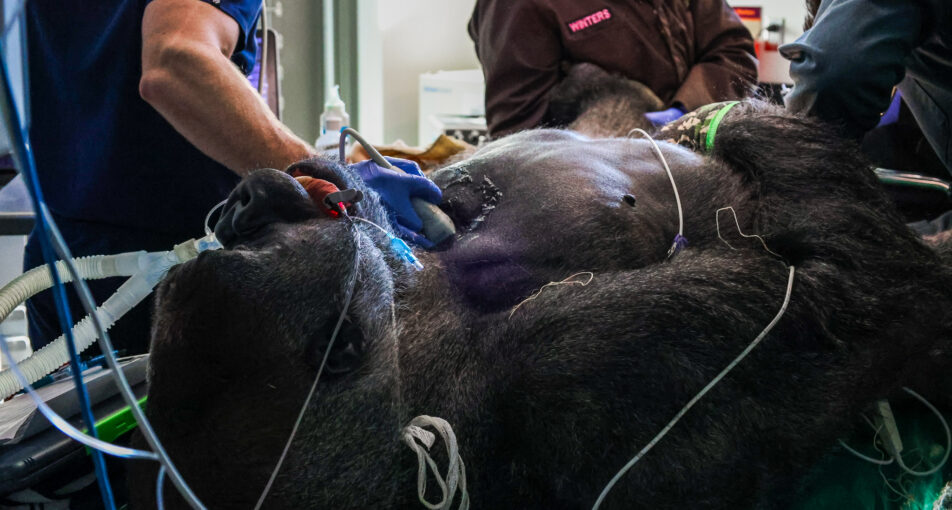
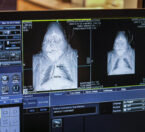
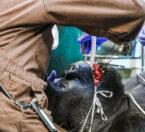
Each exam included an extensive health evaluation, featuring a full cardiac workup, dental examinations, gastrointestinal endoscopies, full-body CT scans, and comprehensive lab work. We were especially excited to collaborate with partners from the Great Ape Heart Project, as research shows that gorillas over the age of 30 are at increased risk for cardiac disease. While Gunther (19) and Kal (20) are still young, preventative care is the best way to protect their long-term health.
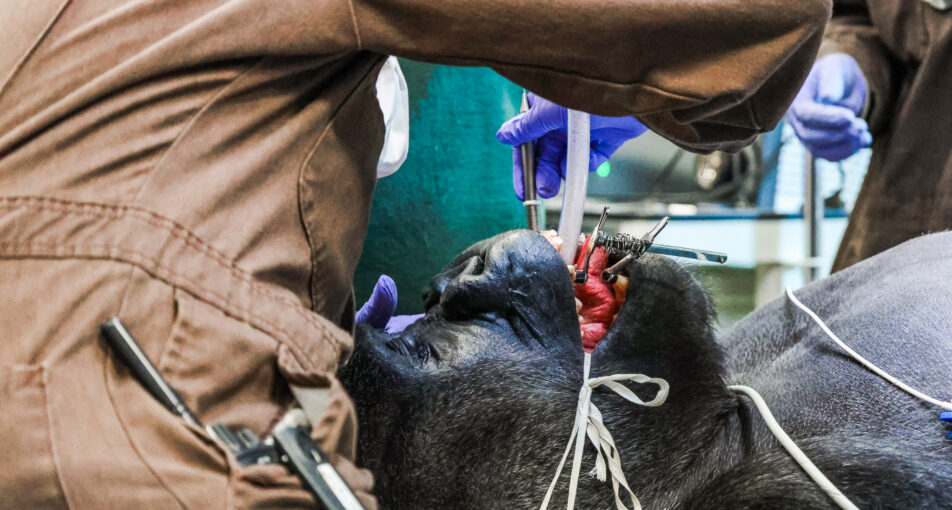
Dental care was another key focus of the exams. We assessed both gorillas’ dental health, particularly as Gunther has a problematic tooth that will require a follow up evaluation.
Being this close to our primate relatives is always humbling, especially when they outweigh us by several hundred pounds. These moments highlight the incredible trust built through years of medical behavior training and collaboration between our Animal Care and Veterinary teams. They also offer a rare behind-the-scenes look at how our state-of-the-art Animal Hospital supports exceptional care.
Preventative medicine allows us to anticipate health concerns before they become serious and ensures that Gunther and Kal, and all the animals in our care, receive the highest level of medical support to thrive for years to come.