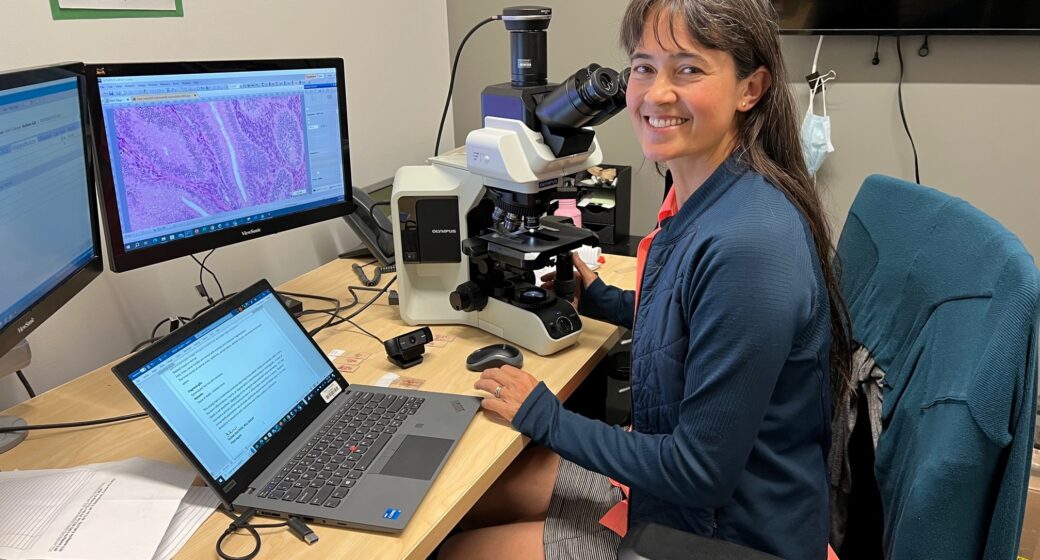
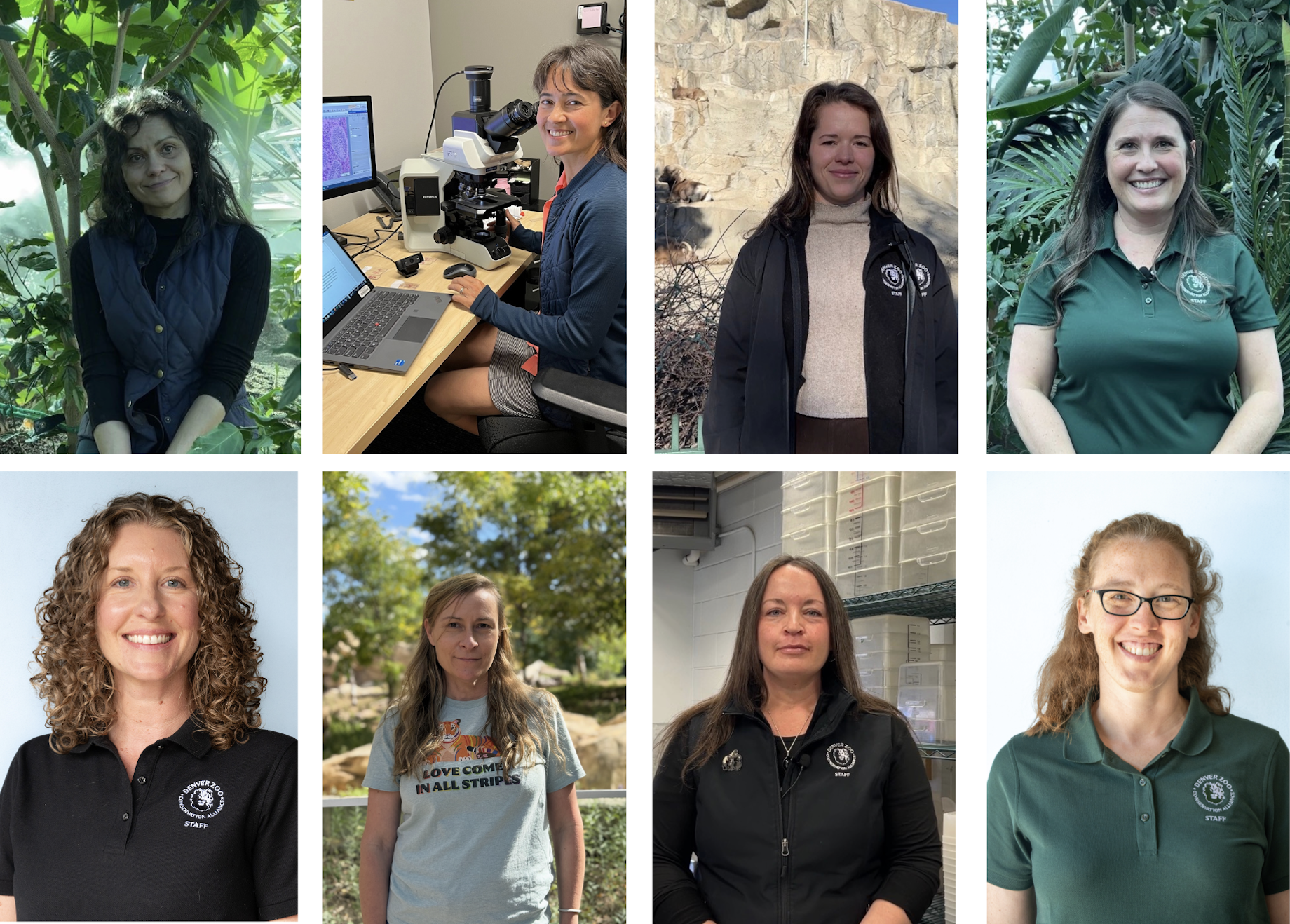
This International Day of Women and Girls in Science, we’re honoring the women advancing wildlife care, conservation, and discovery.
Each year we celebrate International Day of Women and Girls in Science, a moment to recognize the women shaping research, conservation, and care for wildlife here on our 80-acre campus and around the globe. This week at Denver Zoo Conservation Alliance, we’re proud to spotlight some of the incredible women whose work helps animals thrive, advances conservation, and inspires the next generation of scientists.
From social science and veterinary pathology to animal wellbeing, field conservation, nutrition, horticulture, and animal care, these leaders show that science takes many forms, and every perspective makes our work stronger.
Dr. Nichole Nageotte Community Research & Evaluation Manager
Nichole studies the “people side” of conservation: how guests learn at the Zoo, what inspires them to care about wildlife, and how experiences translate into action. Her social science research helps DZCA design experiences that motivate real-world conservation behaviors, because conservation can’t succeed without people.
Her advice: Throw out old stereotypes about who a scientist is and see yourself in science.
Katie Vyas & Heather Genter Director of Animal Wellbeing & Behavioral Husbandry Manager
Together, Katie and Heather lead DZCA’s Animal Wellbeing team. Their work blends data, behavior, enrichment, and training to ensure animals thrive emotionally, physically, and mentally. By reading behavior and supporting voluntary care, they help animals participate in their own wellbeing, improving daily care and long-term outcomes.
Their advice: Follow your curiosity, learn from people you trust, and spend time where your interests live.
Jessica Newell Assistant Curator of Ectotherms
Jessica supports care for a diverse collection of mammals, reptiles, amphibians, fish, and invertebrates. Growing up visiting DZCA, her career has come full circle, now she helps inspire the next generation to care for animals and protect the planet.
Her advice: Gender shouldn’t define your path in science. Go for it. Fulfillment and experiences are worth their weight in gold.
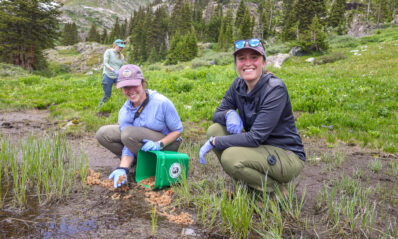
Bruna Silva Colorado Conservation Coordinator
Bruna coordinates field research across Colorado’s Rocky Mountains, helping plan studies and collect data that inform protection for species we love here at home. Her work directly supports wildlife in our own backyard.
Her advice: Ignore the noise. This field needs passionate girls in science and conservation.
Dr. Sushan Han Veterinary Pathologist
Sushan’s work behind the scenes diagnosing disease, performing necropsies, and supporting clinical cases that has ripple effects for conservation worldwide. Understanding health in managed care helps protect vulnerable species and informs care for wild populations.
Her advice: The world needs open minds, strong skills, and passionate people in science.
Kristen Crowell Nutrition Operations Manager
Kristen leads animal nutrition operations, supporting the fundamental health and resilience of species in our care which allows us to carry on our mission of inspiring future generations to save wildlife.
Her advice: Science isn’t a straight line. It’s an adventure. You can be a researcher, leader, traveler, and protector of the planet, all in one.
Allie Byrd Skaer Curator of Horticulture
Allie supports the people who care for the plants that support animals, ecosystems, and guests—connecting people, plants, and wildlife across campus.
Her advice: If science is where you want to be, you belong, and all types of sciences are important.
Why This Matters
These women reflect the many ways science shows up at DZCA. From labs and field sites to habitats, gardens, and guest experiences. Their work strengthens animal care, advances conservation, and builds meaningful connections between people and wildlife. When women and girls are empowered in science, conservation becomes more creative, resilient, and effective.
We’re grateful for their leadership and hopeful their stories inspire young scientists to see a place for themselves in shaping a healthier future for wildlife and our planet.



 Español