

 Español
Denver Zoo Conservation Alliance’s Helen and Arthur E. Johnson Animal Hospital is a state-of-the-art facility offering guests a look into the world of veterinary medicine from the Schlessman Visitor Center. Our dedicated team of clinical veterinarians and registered veterinary technicians exemplify DZCA’s commitment to advancing the care of our animals and furthering the field of zoo and wildlife medicine through innovation and scientific understanding. From slithery snakes to African lions, they ensure that every one of our animals receives the absolute best care possible.
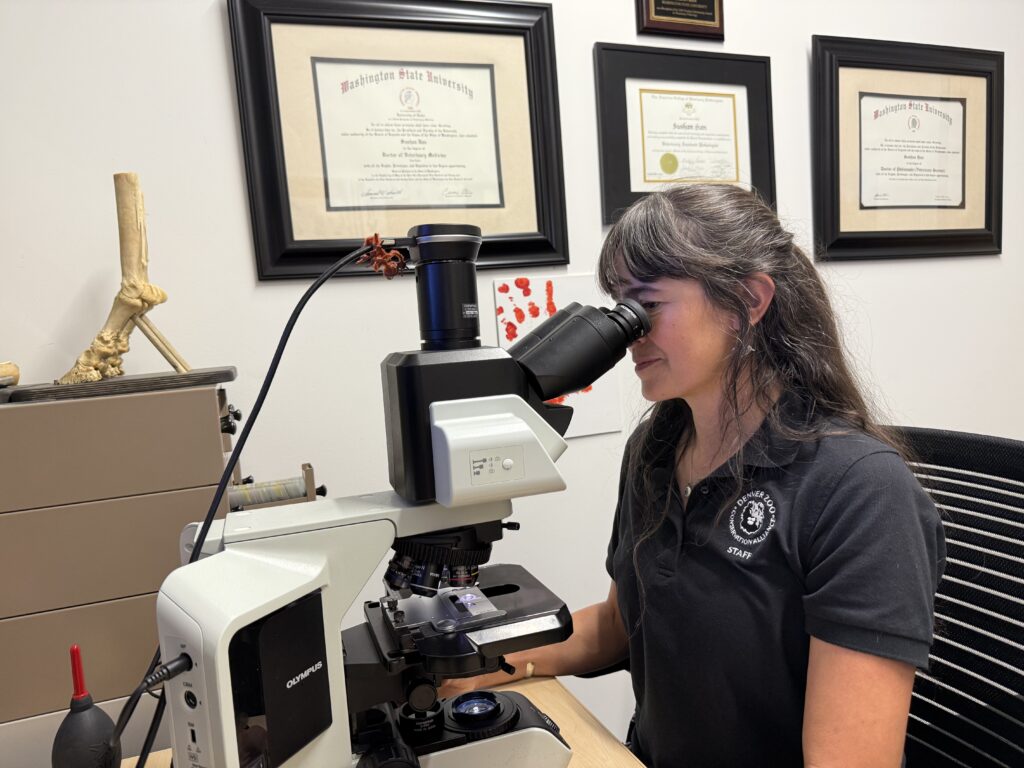
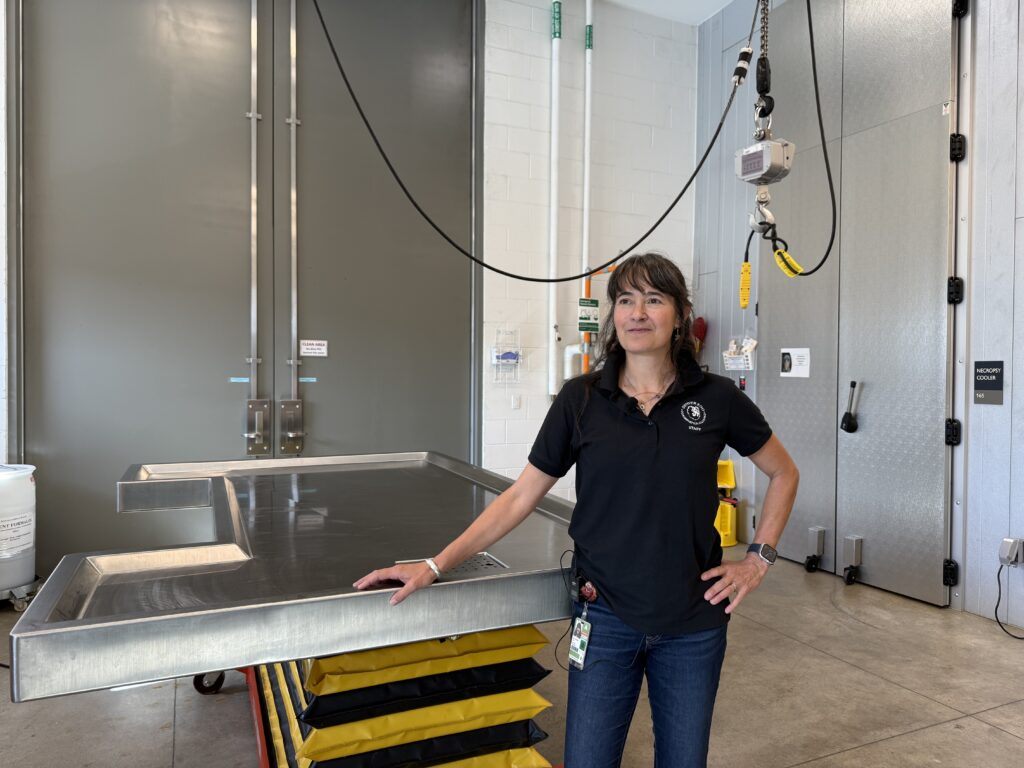
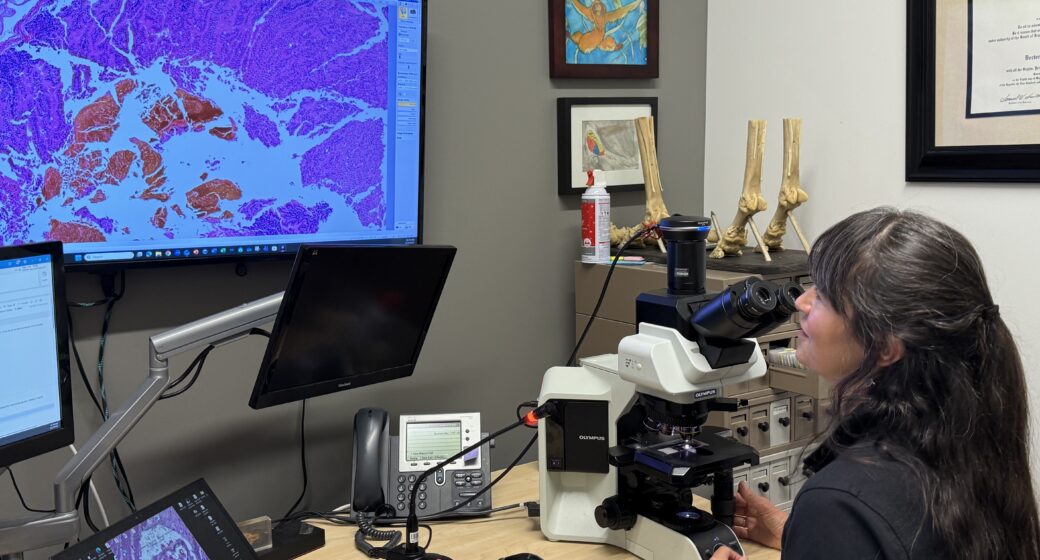
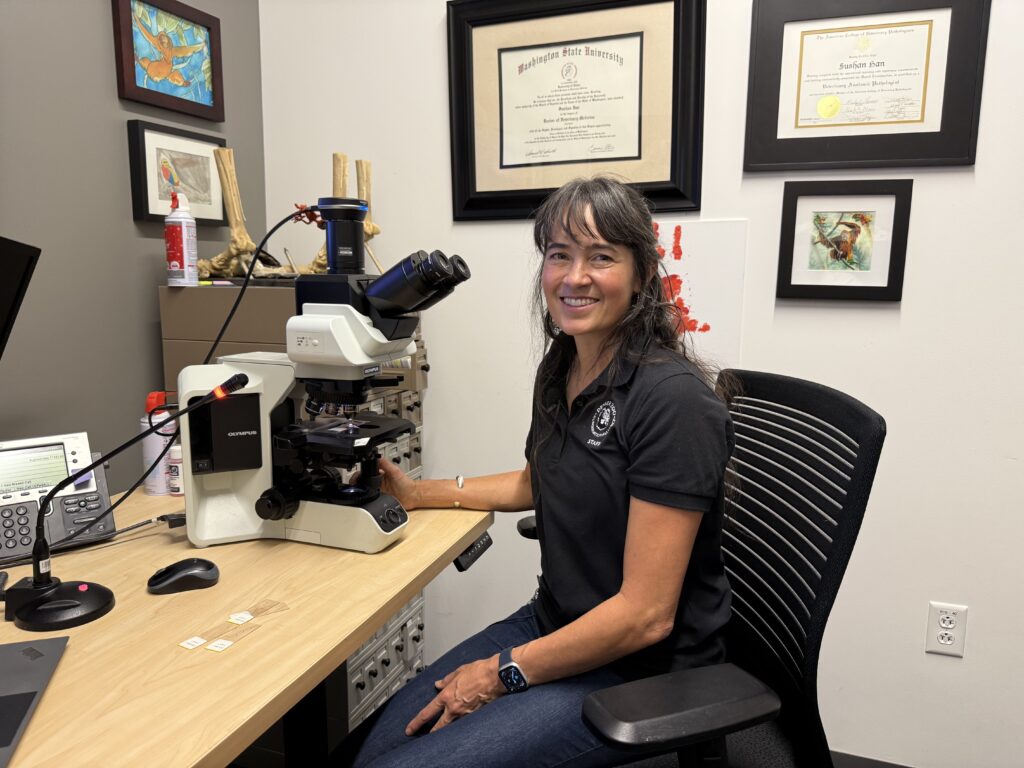
That care continues even after an animal dies, thanks to our veterinary pathology program. DZCA is among only a few institutions accredited by the Association of Zoos and Aquariums with a veterinary pathologist on staff who assists our team in making real-time decisions to improve the care that we give to our animals. Led by Dr. Sushan Han, a Board-Certified Veterinary Pathologist, this program helps us understand disease, improve care, and ultimately strengthen the science around our mission to create a world where wildlife thrives.
What is Pathology?
Pathology is the study of disease—how it develops, how it affects the body, and in some cases, how it may contribute to an animal’s death.
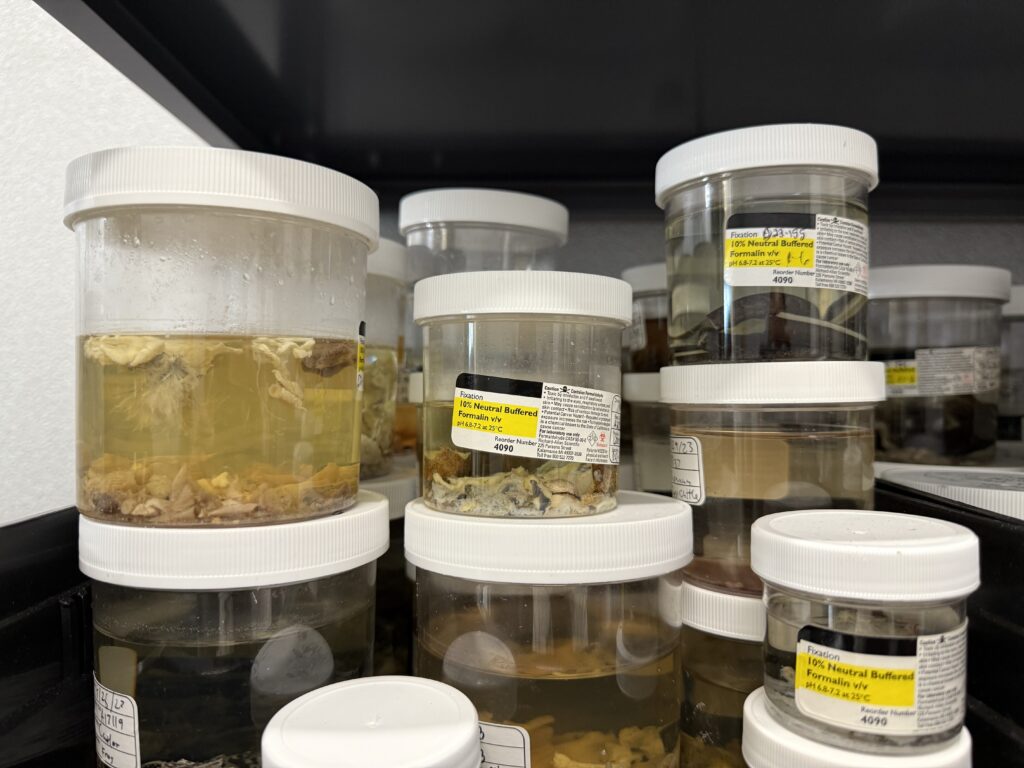
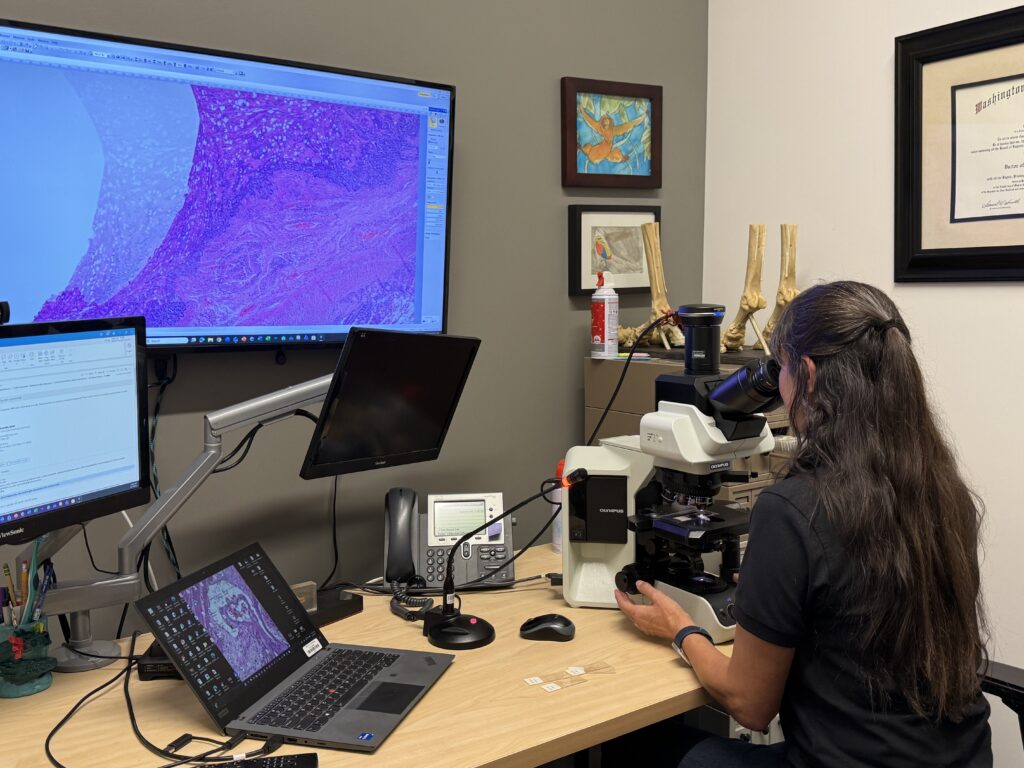
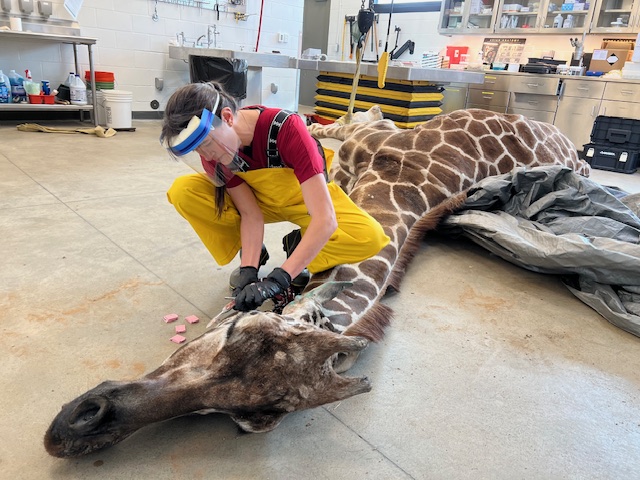
In zoo medicine, veterinary pathologists like Dr. Han perform anatomic pathology, which involves examining tissues under a microscope or conducting a necropsy (the animal equivalent of an autopsy). This process helps identify illnesses, confirm diagnoses, and uncover the subtle clues that guide veterinarians and animal care specialists in caring for living animals.
How Pathology Improves Animal Care
Zoo veterinary medicine is a field of constant learning. Unlike domestic animals where research is more abundant, there’s still much to discover about the health and scientific understanding of zoo and wildlife species, many of whom are threatened or endangered.
Our Clinical Veterinarians are Board-Certified Specialists in Zoological Medicine™ with strong expertise in zoo animal and wildlife clinical medicine. They are always pushing the borders of what is known for the clinical care of each of the species at DZCA. And there’s still much to discover.
That’s where pathology comes in. When an animal dies, pathologists learn everything they can about that individual—from the cause of illness to how the body responded to treatment. These insights help improve the care, medicine, and wellbeing for others of the same species and beyond.
At DZCA, having a Veterinary Pathologist on staff allows us to make real-time decisions to help improve care. It means our veterinary, animal care, and nutrition teams can get answers right away and apply that knowledge immediately to improve animal health. Recently, this helped us identify and treat an unusual parasite in our lorikeet flock within hours, helping to prevent further illness.
Pathology also brings emotional closure. For our animal care and veterinary staff who form deep bonds with the animals they care for, having a medical understanding of why an animal passed can help bring comfort and a sense of further purpose.
Impact Beyond DZCA
While all AZA-accredited zoos are required to perform postmortem evaluations, DZCA stands out for maintaining a full-time, onsite pathology service within our Helen and Arthur E. Johnson Animal Hospital. This unique capability allows our team to learn from each case in real time and provides insights that not only enhance care for our own animals but also contributes to the broader field of wildlife medicine.
Many of our animals serve as ambassadors for their species, and many are threatened or critically endangered. By sharing findings through publications, conferences, and collaborative programs, our work contributes to the global understanding of wildlife health and conservation.
In addition to her work at DZCA, Dr. Han’s expertise extends across the broader zoo and conservation community. She lends her skills as a Pathology Advisor for the Great Ape Heart Project, where she studies heart disease in all great apes—a leading health concern for these species in both zoos and the wild. She also serves as a co-advisor for the Orangutan Species Survival Plan (SSP) and as a Pathology Advisor for the Association of Zoos and Aquariums’ Small Carnivore Taxon Advisory Group (TAG).
Through these roles, Dr. Han helps advance the health and wellbeing of animals across the globe, ensuring that the lessons learned here at DZCA contribute to stronger care and conservation outcomes for wildlife everywhere.
Life After Death
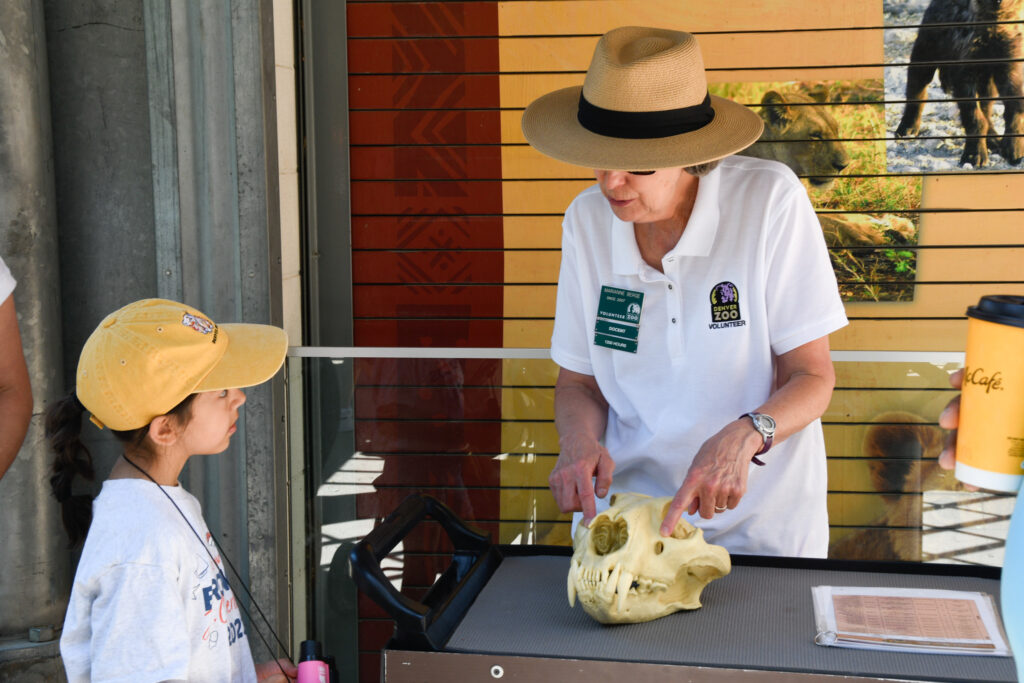
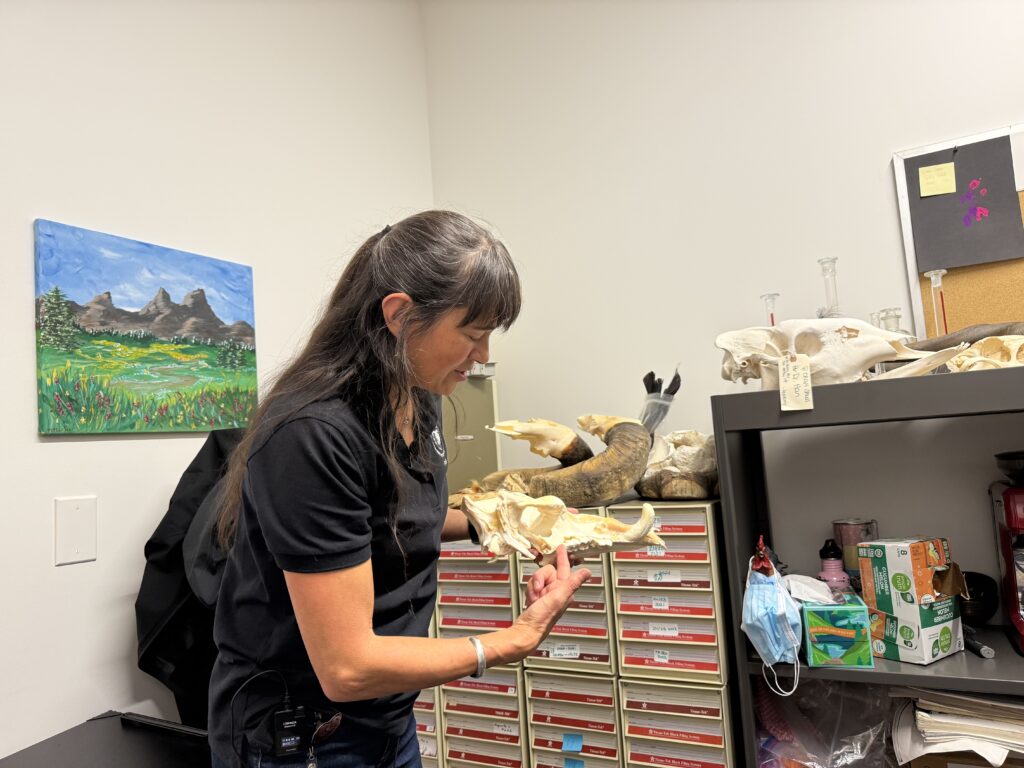
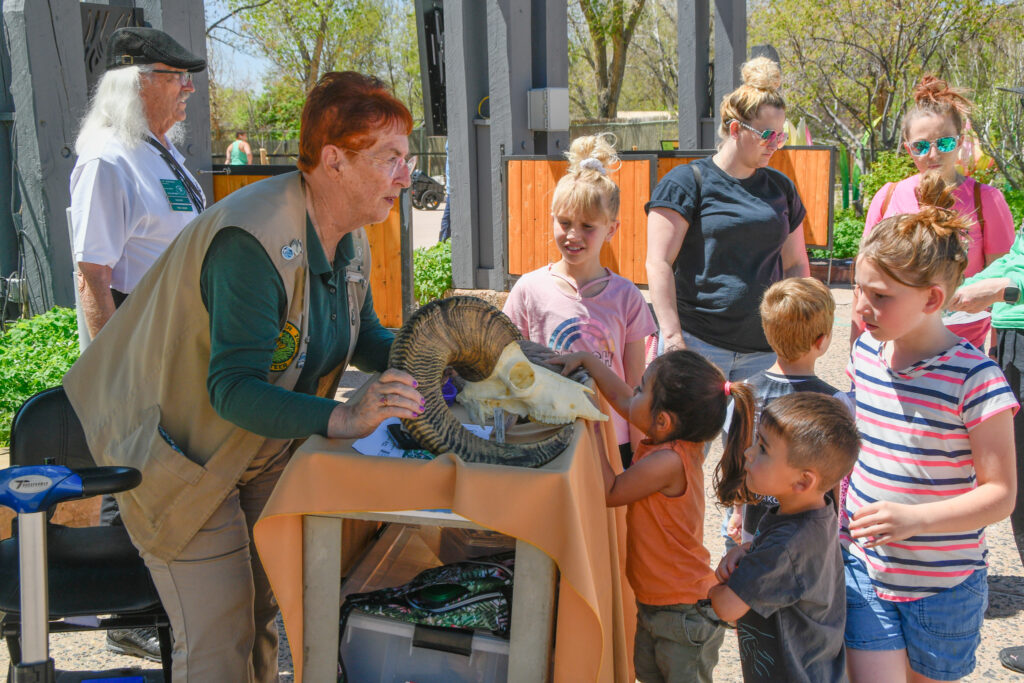
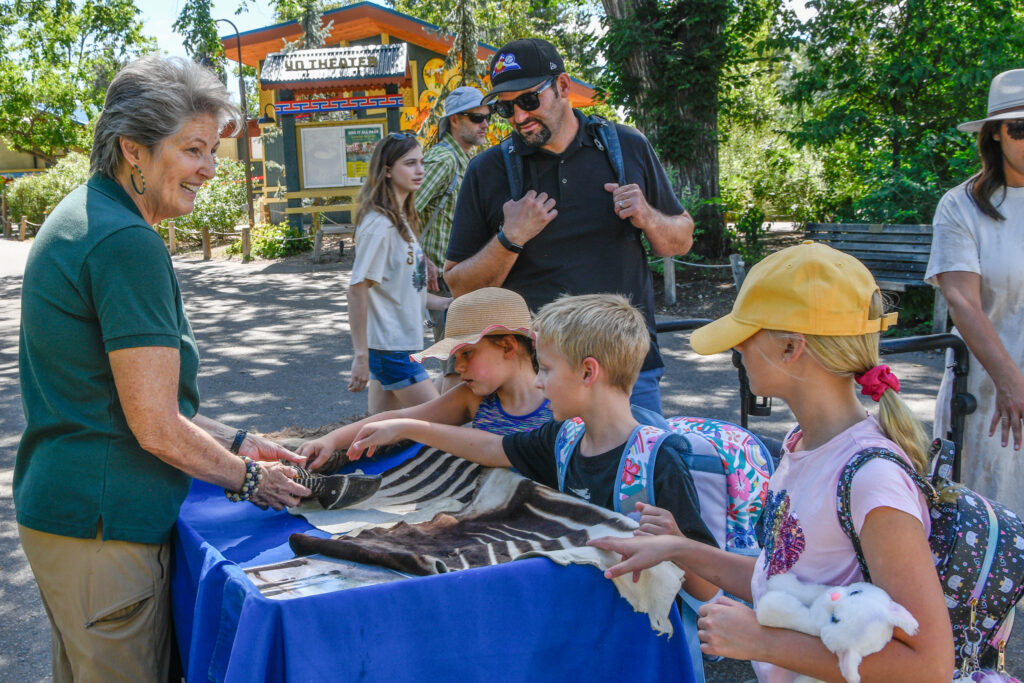
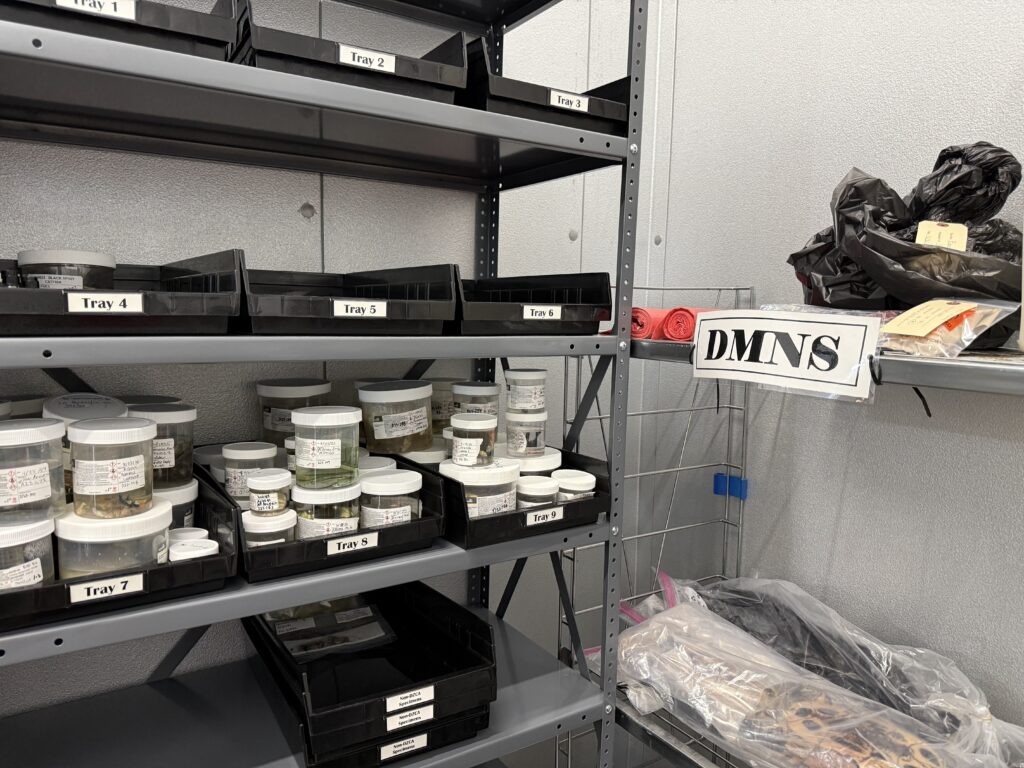
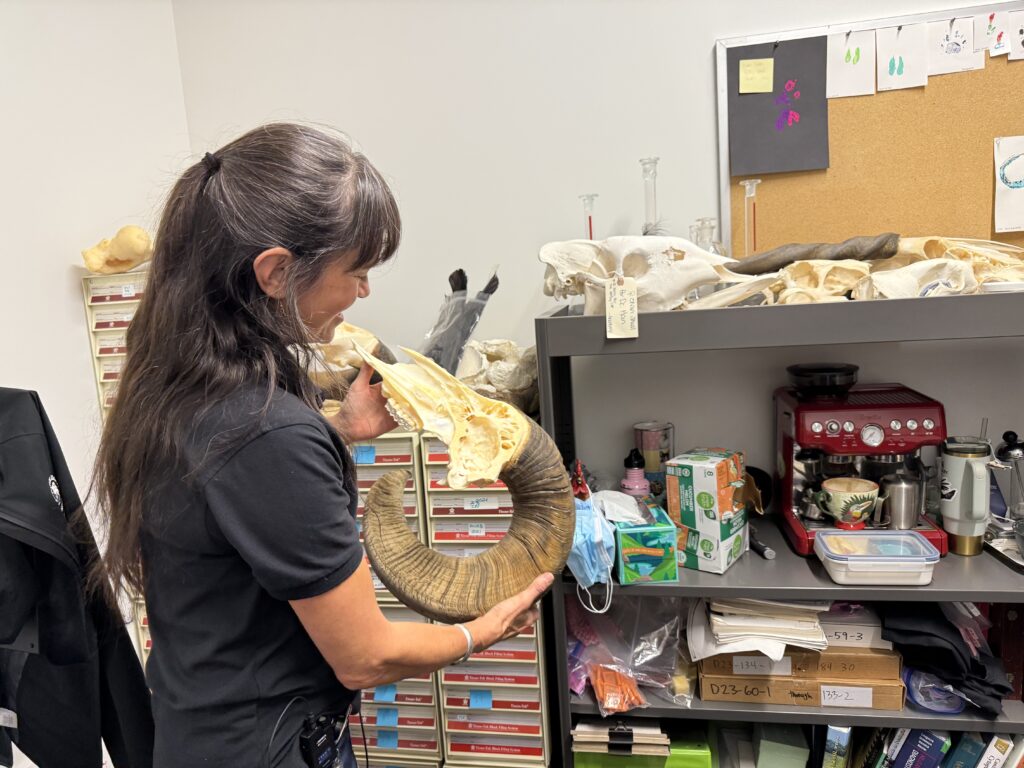
Even after pathology work at DZCA is complete, many of our animals continue to contribute to science and learning. We maintain an onsite animal specimen education collection. This library we call “Biofacts” and has helped create hands-on learning experiences for generations of learners at DZCA. Additionally, through a historic partnership, most specimens are donated to the Denver Museum of Nature & Science (DMNS), where they become part of a permanent scientific archive.
At DMNS, researchers can study these specimens for generations—expanding our understanding of wildlife biology, evolution, and conservation. It’s one more way these incredible animals remain vital ambassadors for their species, long after their lives have ended.
A Holistic Approach to Care
From life, death, and beyond, every step of DZCA’s approach to how we care for our animals reflects the deep compassion our teams bring to their work. When an animal passes, the process of understanding what happened offers not just scientific insight, but closure for the people who cared for them every day. It allows us to find meaning in loss, ensuring that each life continues to guide and improve the care we provide for others while strengthening our shared commitment to Saving Wildlife Together.