

 Español
Every year on Reverse the Red Day, conservation organizations around the world come together to focus on one urgent goal: stopping biodiversity loss and helping threatened species recover. At Denver Zoo Conservation Alliance (DZCA), this mission is at the heart of everything we do, from caring for animals on our campus to supporting conservation partners around the world who are protecting species in the wild.
What Is Reverse the Red?
Reverse the Red is a global movement uniting scientists, conservation organizations, governments, and local communities to take strategic, data-driven action for species survival. The goal is simple but powerful: reverse the negative trends driving species toward extinction and create a future where wildlife populations can recover and thrive.
This work is rooted in science. Tools like the IUCN Red List of Threatened Species help identify which species are at greatest risk of extinction and why. The Red List is the world’s most comprehensive source of information on species’ conservation status, threats, and what actions are needed to protect them.
To complement this, the IUCN Green Status of Species provides a hopeful roadmap, measuring how close a species is to recovery and highlighting the impact of conservation efforts. Together, these tools help guide action, track progress, and show that recovery is possible.
Conservation in Action: Frogs in Peru
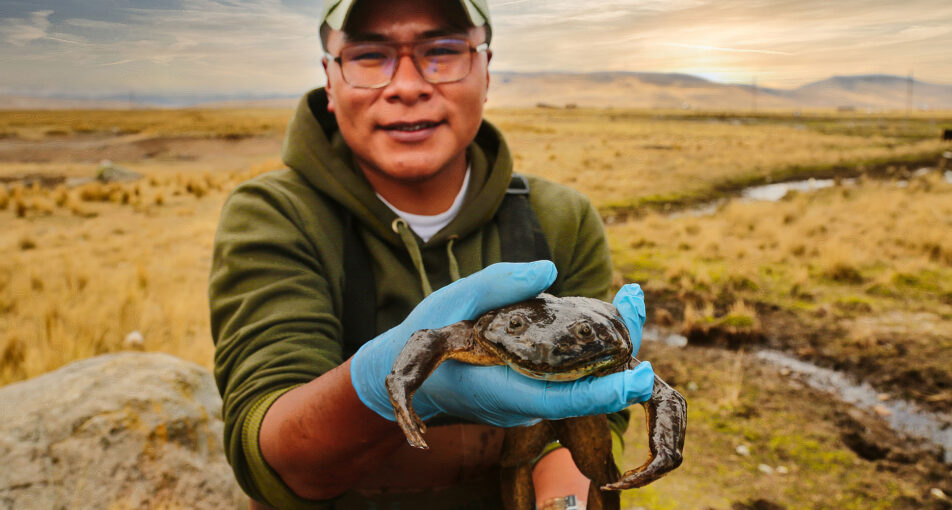
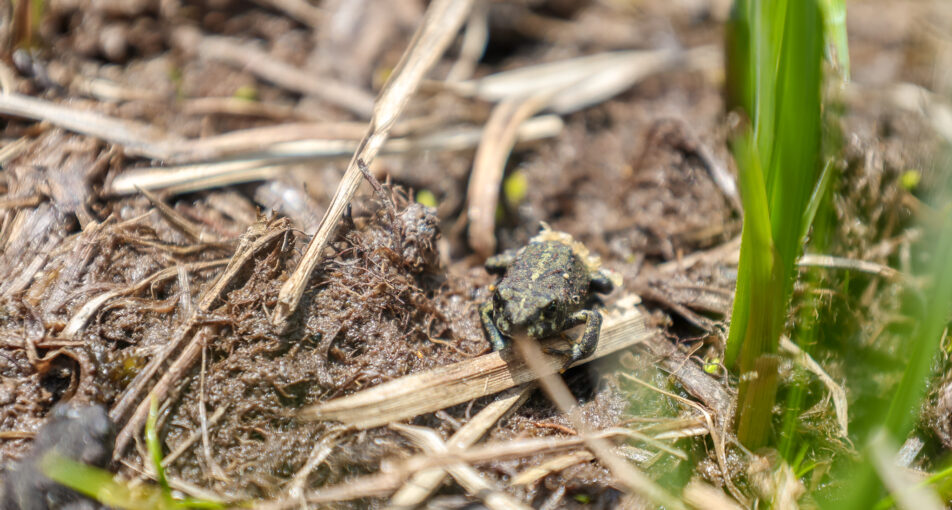
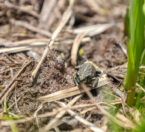
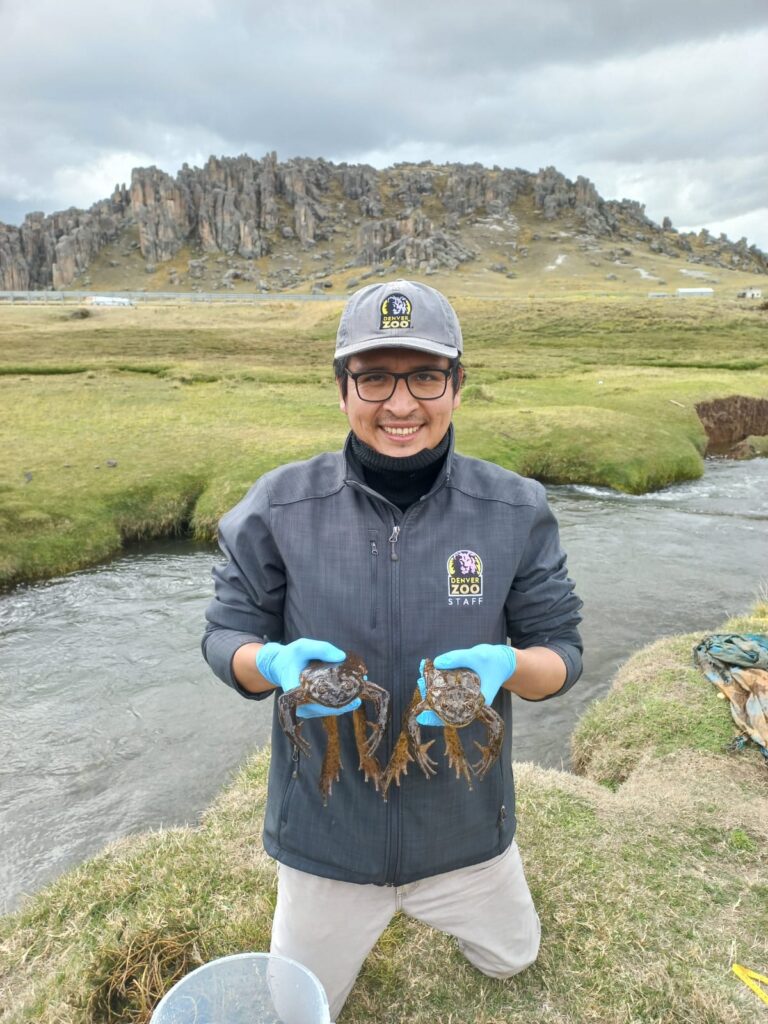
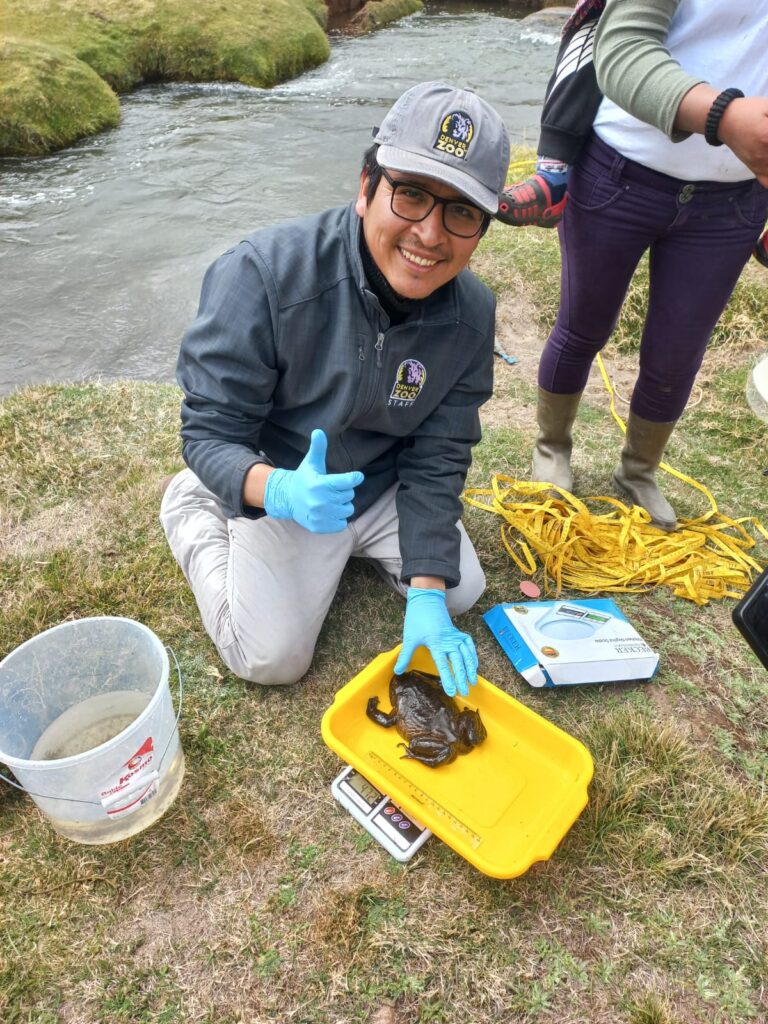
One powerful example of reversing the red comes from our work in Peru through the Frog Guardians project, which supports the Endangered Lake Junín frog.
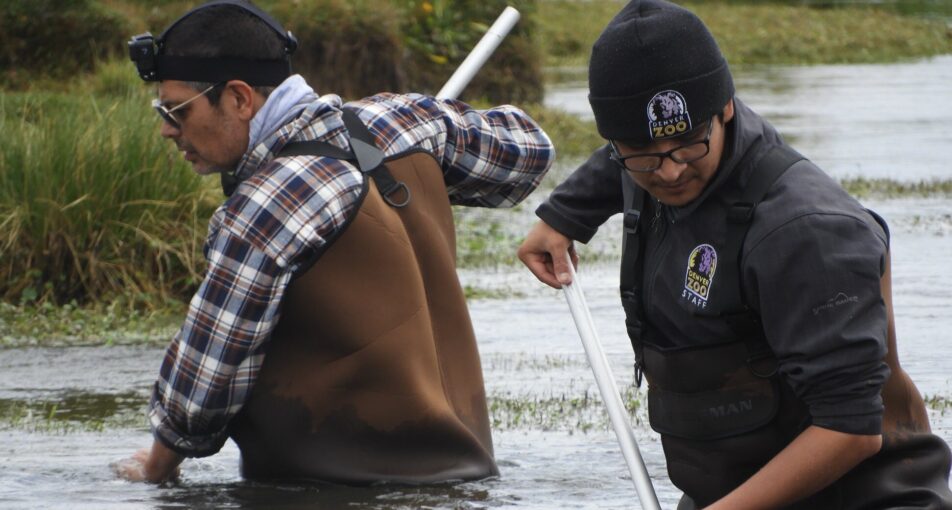
With our local partners, volunteers are trained to monitor frog populations across private lands and protected areas. But monitoring is just the beginning. Together, we’re implementing practical, community-led solutions to reduce threats and restore habitat:
- Building livestock bridges over streams and irrigation canals to prevent cattle from trampling frog habitat and eroding stream banks
- Habitat improvement, including frog-friendly canal cleaning and creating underwater burrows to provide shelter
- Community-designated environmental zones that protect freshwater springs from disturbance
- Conservation education through school programs, festivals, and community events like World Wetlands Day
These efforts are working. Between 2018 and 2024, Lake Junín frog populations increased by 200%. A powerful reminder that when communities and conservationists work together, recovery is possible.
Supporting People and Wildlife in Africa
In Africa, DZCA works alongside partners to protect wildlife while supporting local livelihoods:
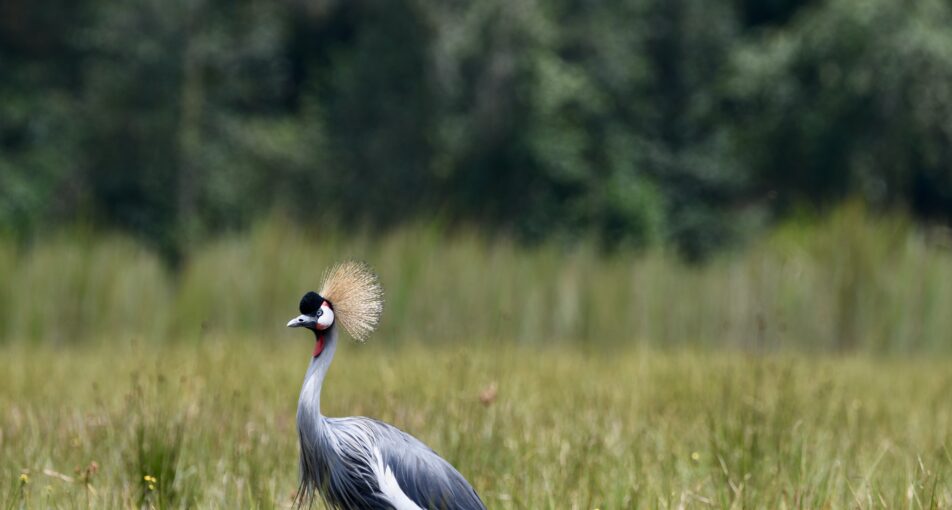
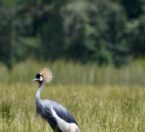
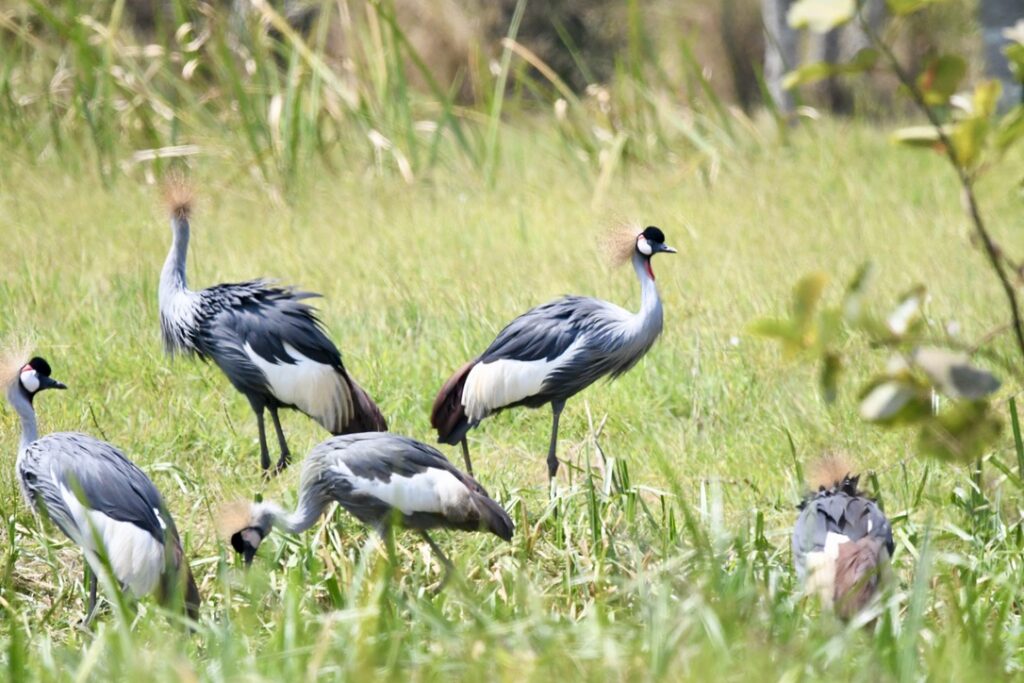
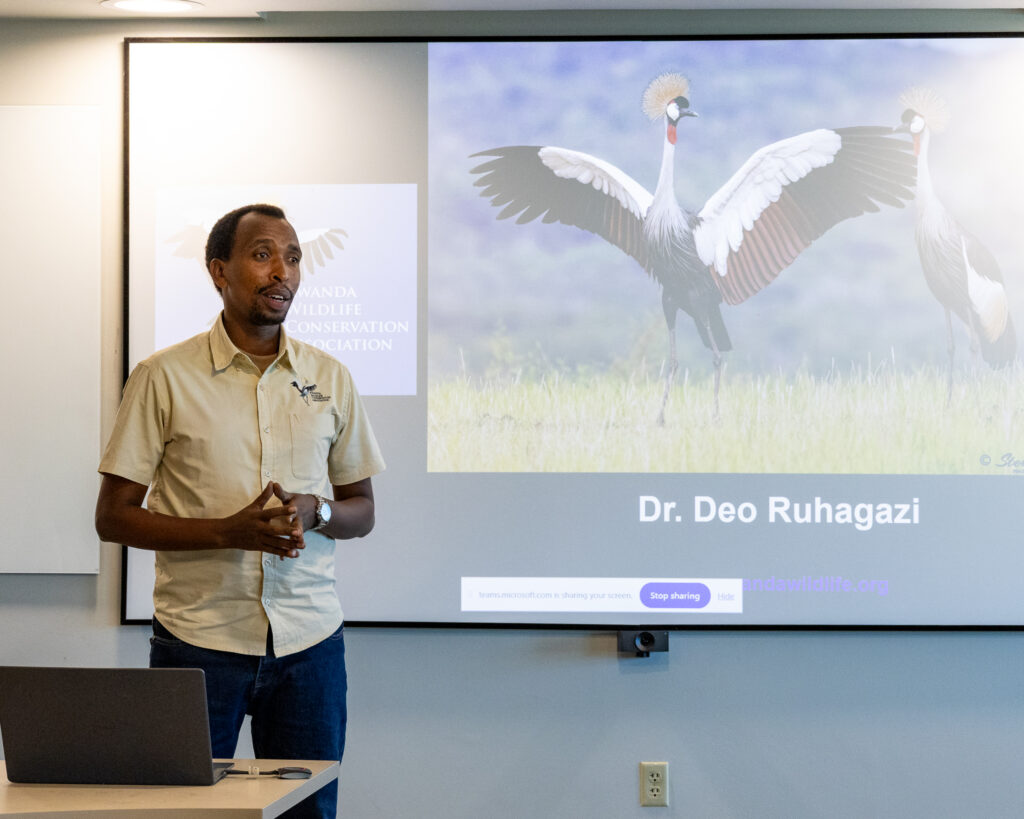
- In Rwanda, we are collaborating with Rwanda Wildlife Conservation Association to plan and design deterrent experiments to prevent grey crowned cranes from foraging in farmers’ crops. These experiments will be launching in the fall and helping protect these Endangered birds while improving food security for families.
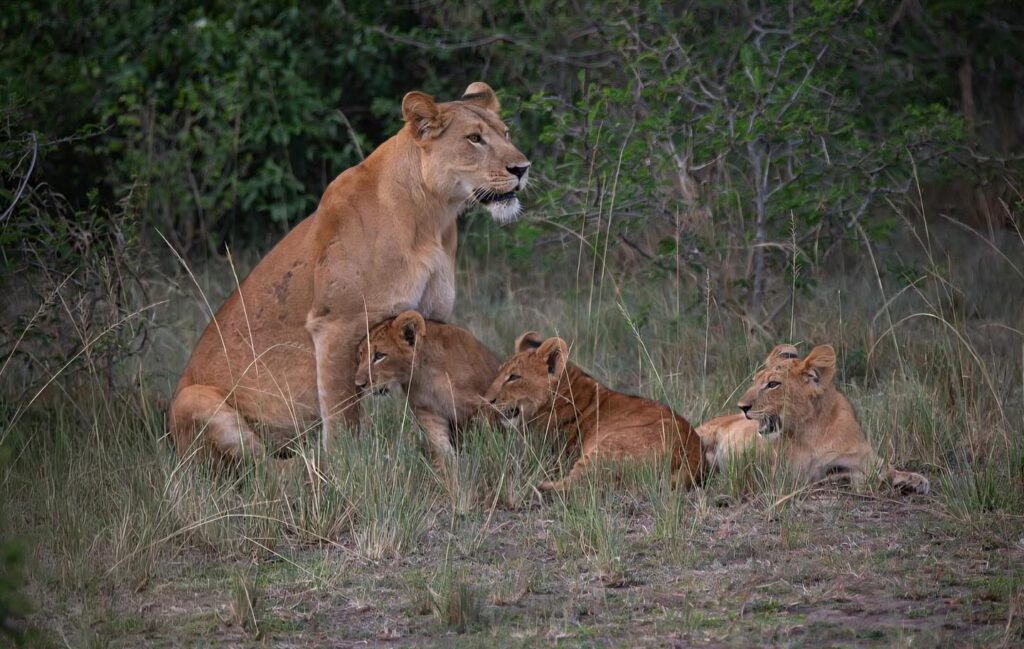
- In Uganda, we are expanding our work with the Kyambura Lion Monitoring Project to better understand how livestock impacts Queen Elizabeth National Park, home to only around 40 remaining lions. Community interviews will help inform strategies to reduce human-lion conflict and improve coexistence.
These projects reflect the heart of Reverse the Red: conservation that is collaborative, community-driven, and grounded in science.
Protecting Asia’s Last Wild Places
Across Asia, DZCA partners with local organizations to protect some of the region’s most iconic and threatened species.
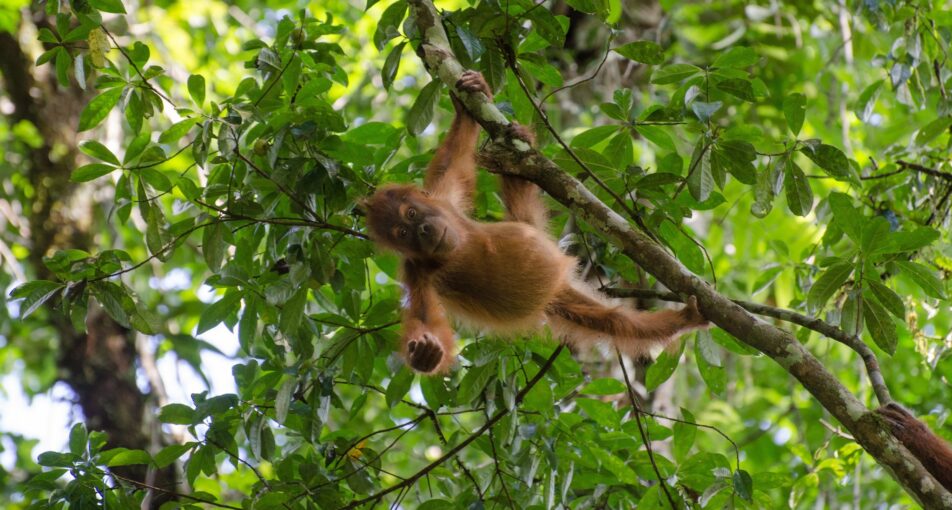
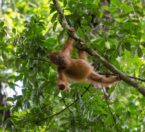
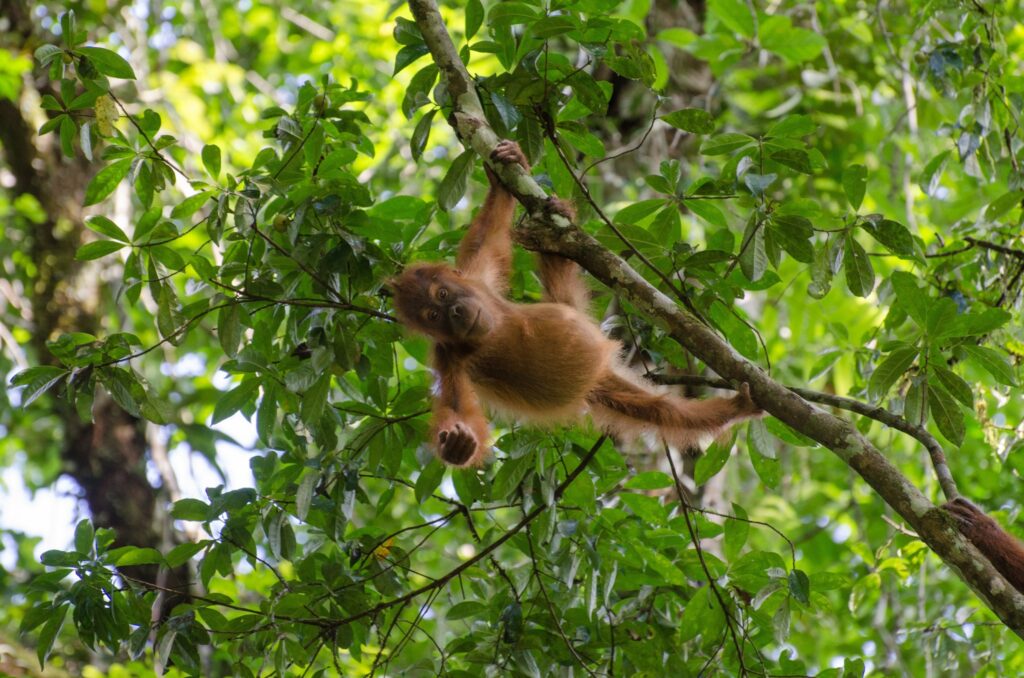
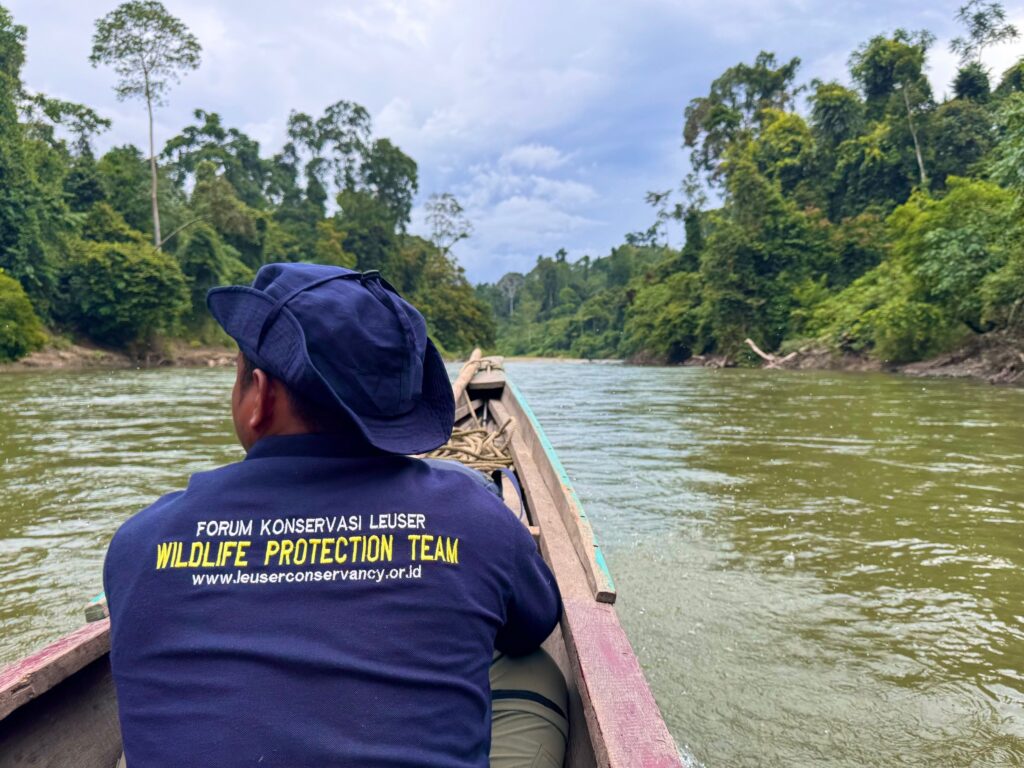
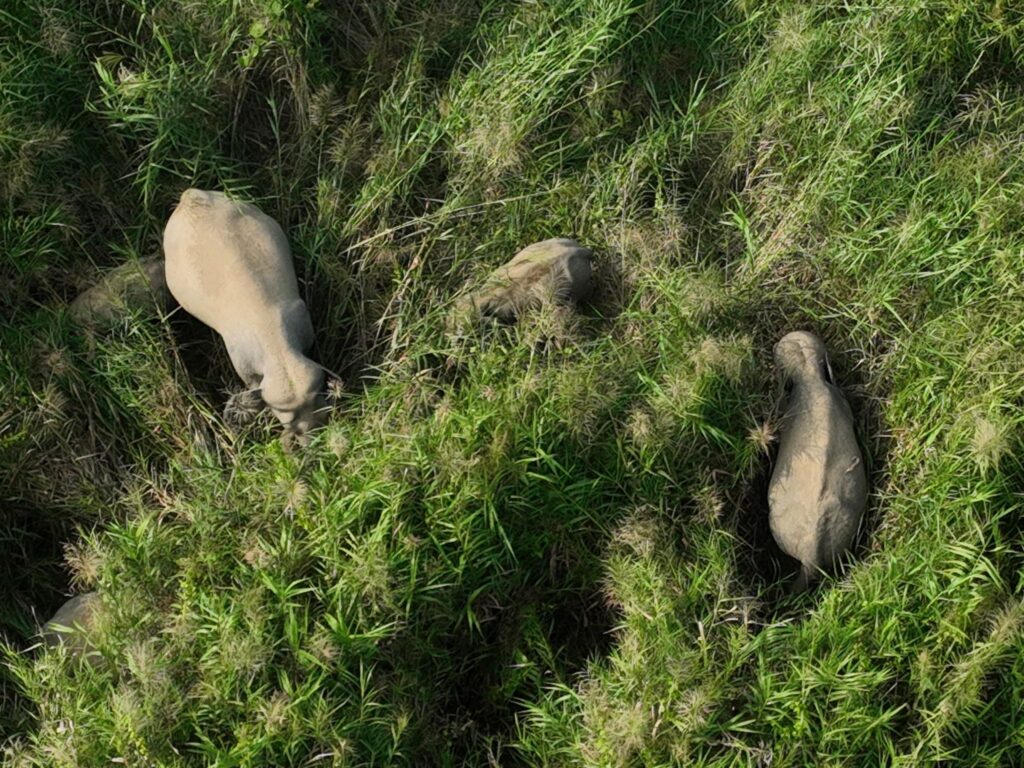
In Sumatra, we partner with Forum Konservasi Leuser (FKL), a passionate grass-roots NGO working to protect this unique area and its wildlife. Together, we’re helping protect the Critically Endangered Sumatran orangutan, rhino, tiger, and elephant in the Leuser Ecosystem with dedicated wildlife protection teams.
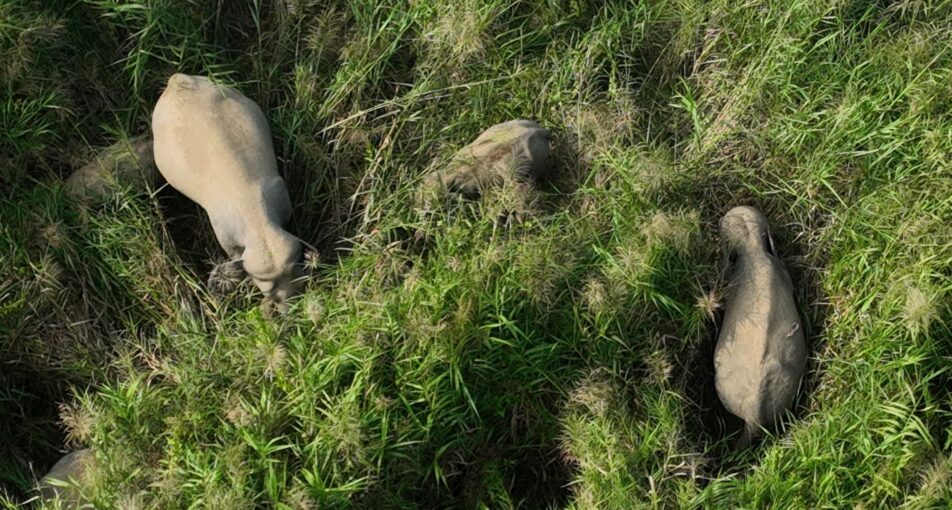
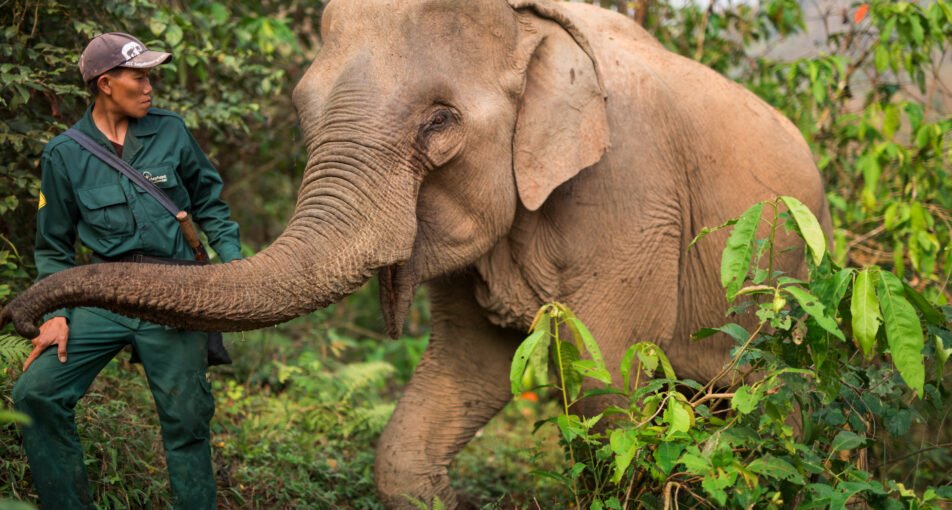
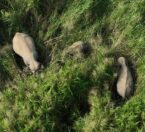
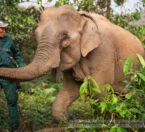
In Laos, we partner with Association Anoulak to support youth conservation engagement programs through Lao Youth on a Mission Programs. Previously, we supported their work studying Asian elephant population size, genetic diversity and social dynamics to inform Laos’ National Elephant Action Plan. Additionally, we also worked with Association Anoulak in the Annamite Range using advanced acoustic technology to monitor Critically Endangered northern white-cheeked gibbons.
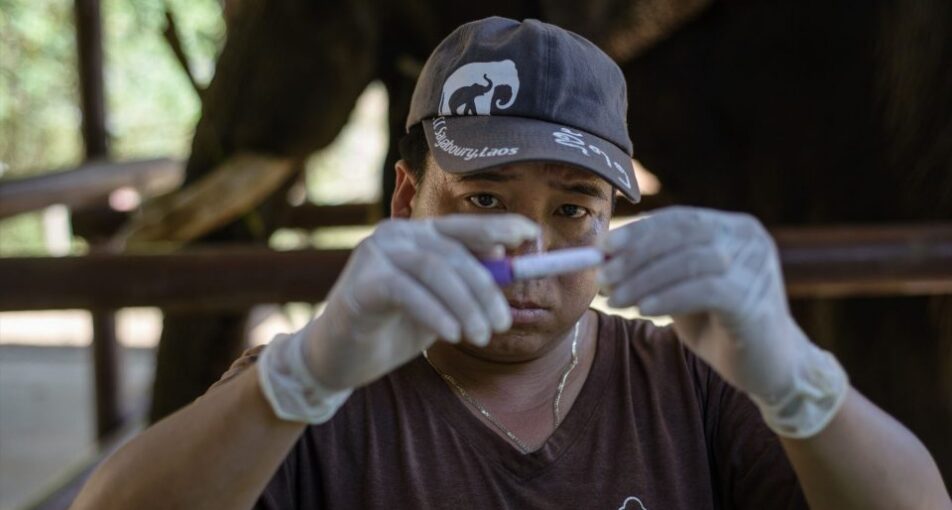
We’re also working with the Elephant Conservation Center (ECC) to support the education of a Lao veterinarian and lab technician. By providing access to specialized training not currently available at the National University of Laos, this partnership will benefit both the ECC and the Lao conservation community as a whole.
At Home on the Front Range
Here at home on Colorado’s Front Range, DZCA is also helping reverse the red for species and ecosystems that define our region by blending science, community, and action.
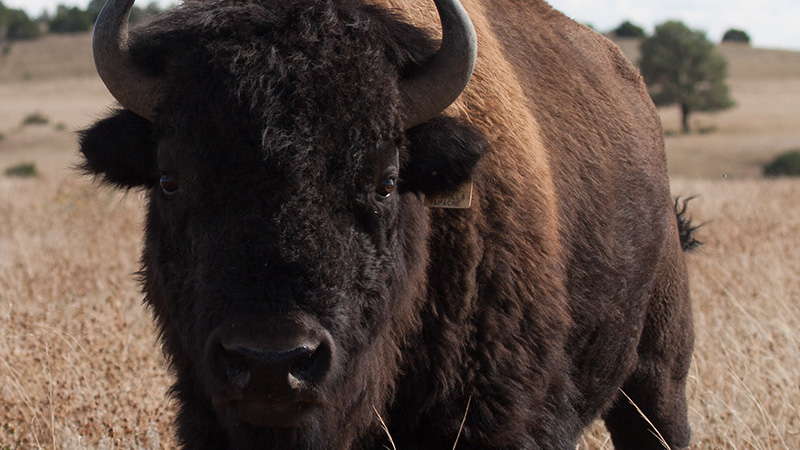
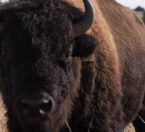
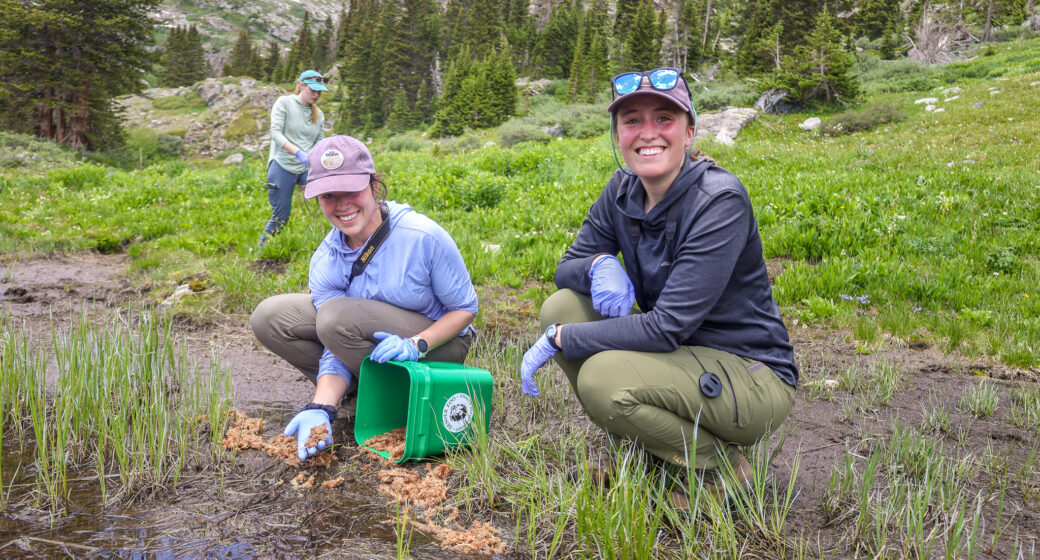
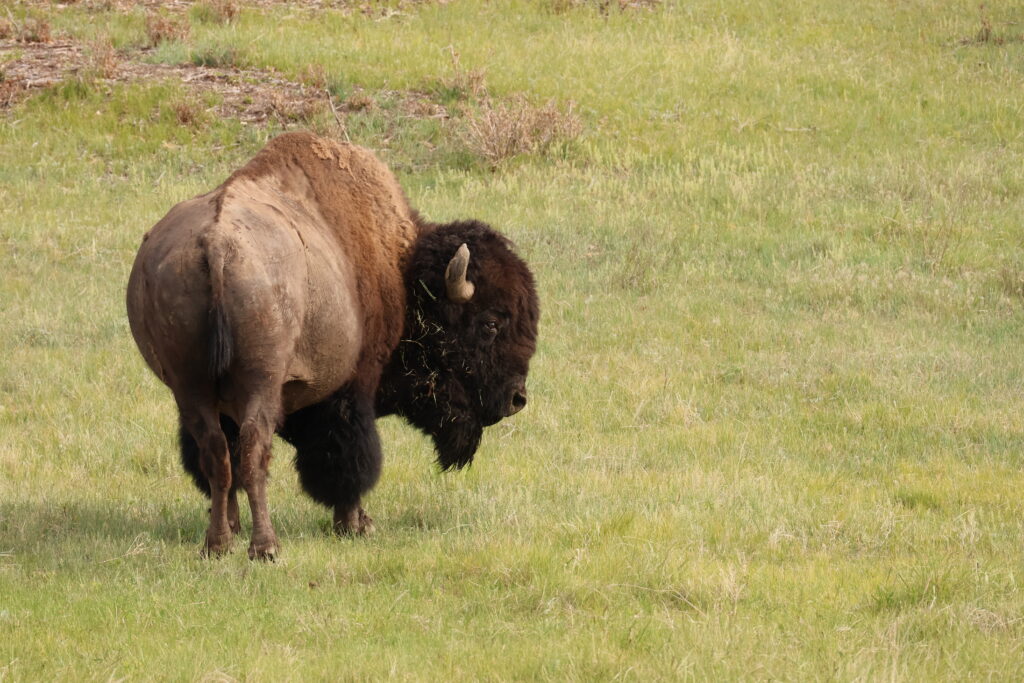
In partnership with Denver Mountain Parks, we help with restoring our native grasslands, engaging local communities in hands-on conservation, returning bison to the landscape, and elevating partnerships and healing by donating bison to Native tribes.
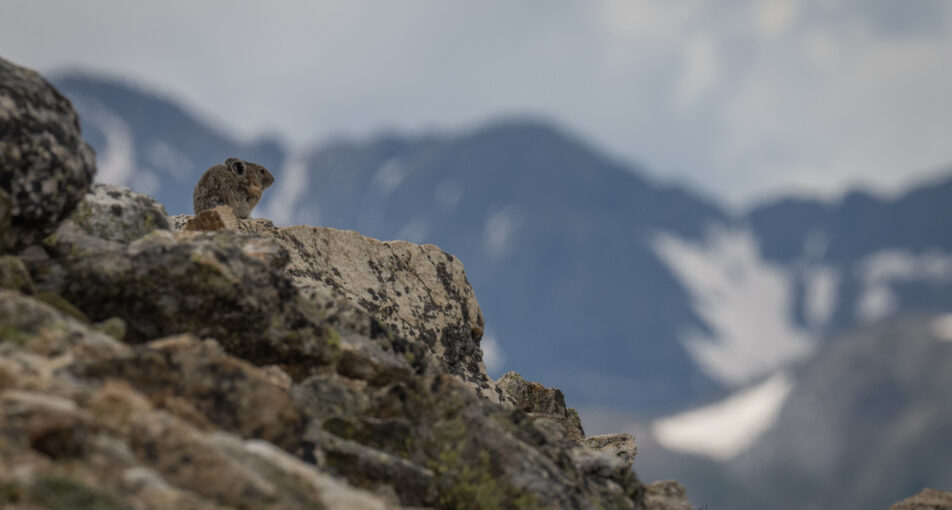
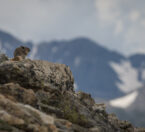
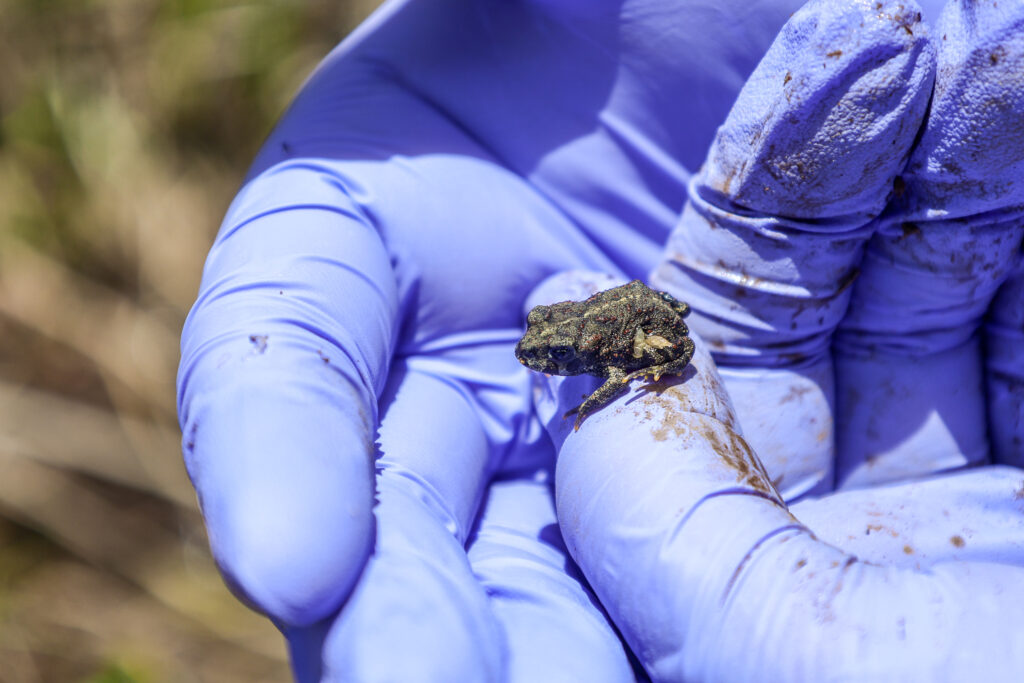
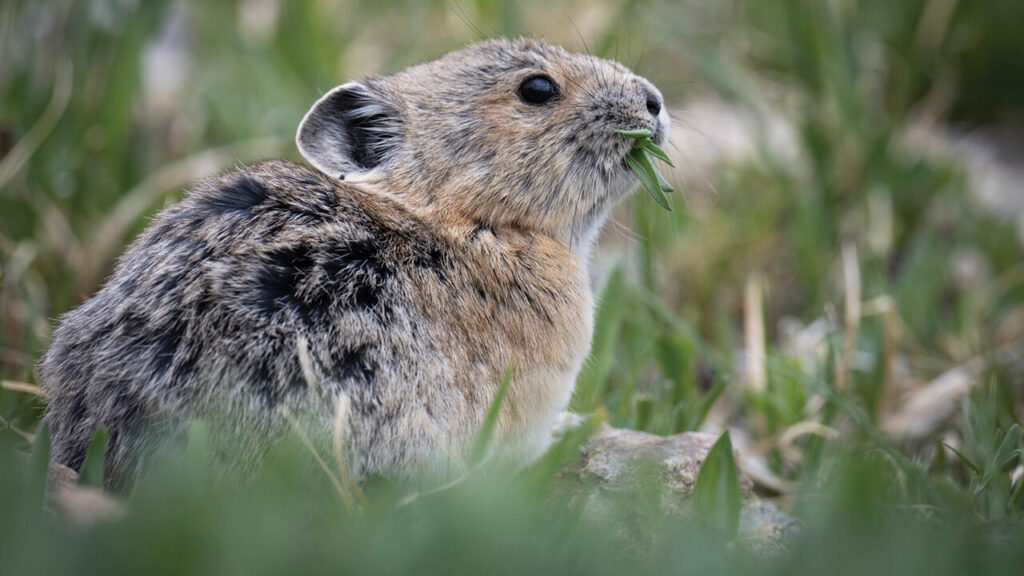
We’re helping boreal toads rebound through successful breeding and reintroduction efforts, reducing human–wildlife conflict on Mount Blue Sky, tracking climate impacts on American pikas with hundreds of community scientists, creating safer wildlife crossings that reduce deadly vehicle collisions for elk, lynx, and bears, and partnering with the Navajo Nation to combat deadly disease in bighorn sheep.
Together, these projects show that conservation success is happening across the globe and right here in our backyard.
Hope for the Future
While many species remain at risk, stories like the recovery of Lake Junín frogs and the growing momentum behind community-based conservation in Africa, show that extinction is not inevitable. Recovery takes time, trust, and sustained action, but progress is possible when people, science, and compassion come together.
This Reverse the Red Day, we celebrate the partners, communities, scientists, and animal care teams working to change the story for wildlife. Every success, big or small, brings us closer to a future where species don’t just survive, but recover.
Together, we can reverse the red and build a world where wildlife can thrive.