

 Español
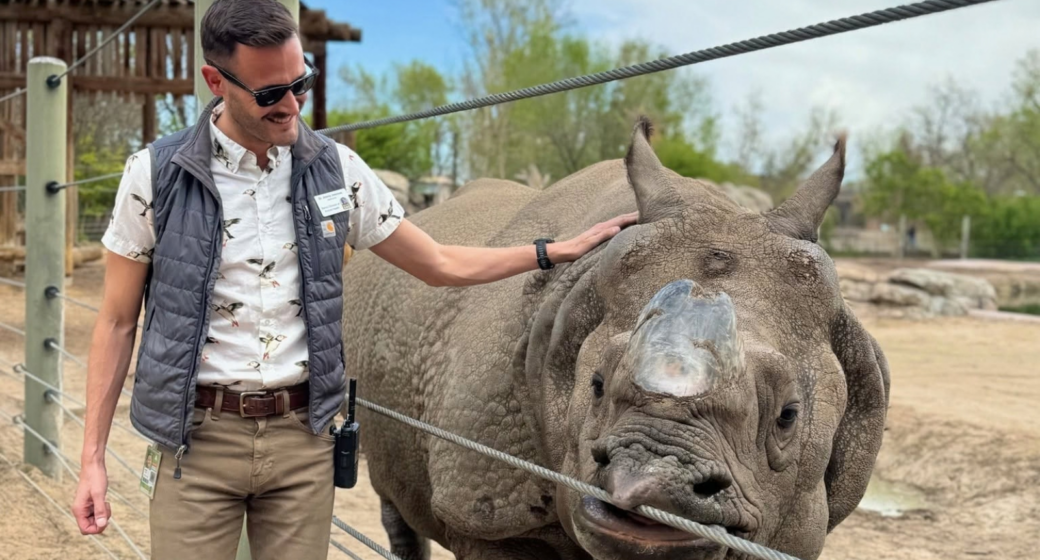
This Zoo Tales expands on recent reporting by CBS Colorado journalist Kelly Werthmann. Werthmann spoke with Dr. Jimmy Johnson, Senior Director of Wildlife Health and Conservation at Denver Zoo Conservation Alliance, about whole life care including end-of-life decisions. Below, we take a closer look at what this means for our animals. Read more.
When an animal passes away at Denver Zoo Conservation Alliance, the loss is meaningful to our teams and to the communities who have come to know and love them.
We are committed to being transparent about these losses and to creating space for our staff, volunteers, members, guests and community to remember the animals who have been part of our Zoo family. Sharing their stories and honoring their lasting legacies is an important part of recognizing the connections they helped people build with wildlife.
We believe that sharing both the successes and challenges of caring for animals helps provide a more complete picture of what goes into their care. The exciting milestones, everyday routines, unexpected health concerns and difficult end-of-life decisions are all part of the responsibility of caring for more than 2,500 animals across a wide range of species.
Each animal has a different natural life span, health considerations and individual needs. Animal care includes supporting animals throughout every stage of life—from birth and juvenile development through adulthood, aging, chronic illness and, ultimately, compassionate end-of-life care.
Understanding that full spectrum is at the heart of our whole life care philosophy.
Whole Life Care at DZCA
Every animal that calls DZCA home has different needs, preferences, health considerations and life experiences. Providing excellent care means understanding those differences and supporting each animal throughout the entirety of its life.
At DZCA, we call this whole life care, which is a commitment to the health, wellbeing and quality of life for the thousands of animals we care for.
“Whole life care is a huge part of what we do here at Denver Zoo Conservation Alliance,” says Dr. Jimmy Johnson. “It’s about ensuring animals have a really enriched and fulfilling life throughout their time here in our care, and that does include, unfortunately but inevitably, end of life care as well.”
Preventative and Specialized Care
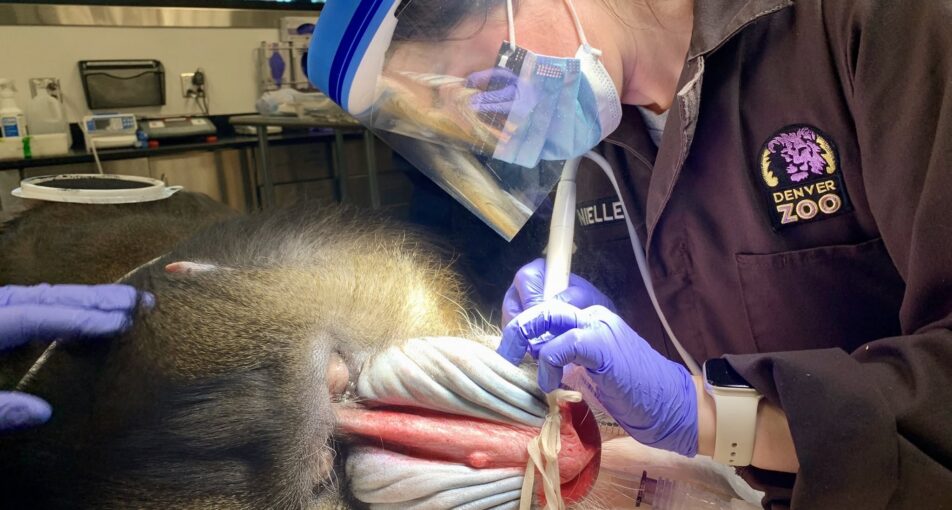
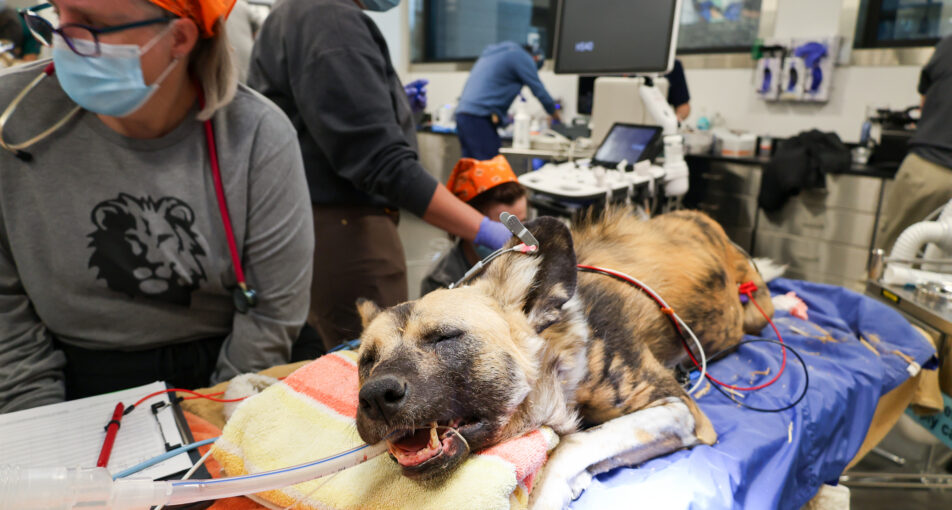
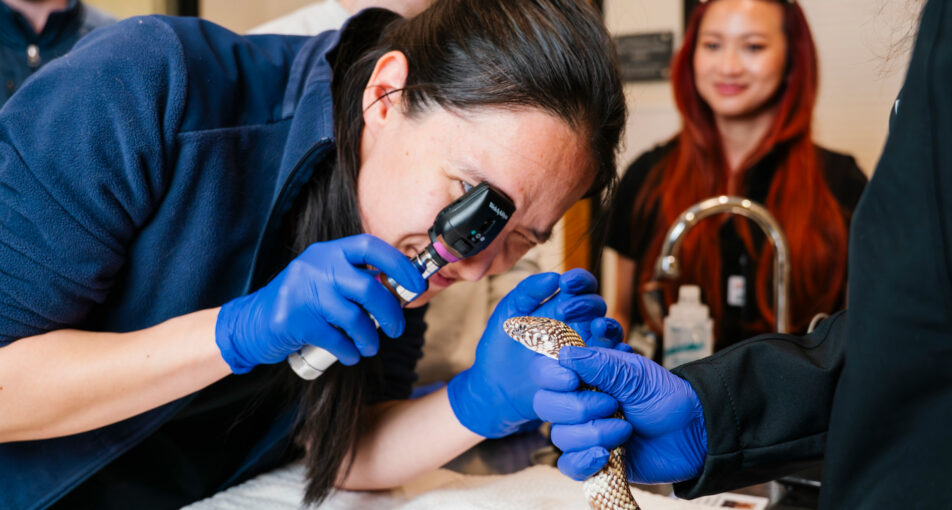
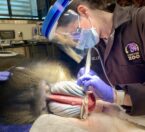
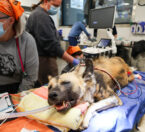
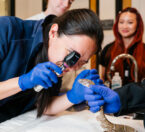
Preventive and specialized care for each animal or species is an essential part of whole life care. Our Veterinary Medicine team works closely with Animal Care Specialists to monitor animals’ health, identify changes early and perform routine examinations, diagnostic testing, vaccinations, dental care and other medical support as needed.
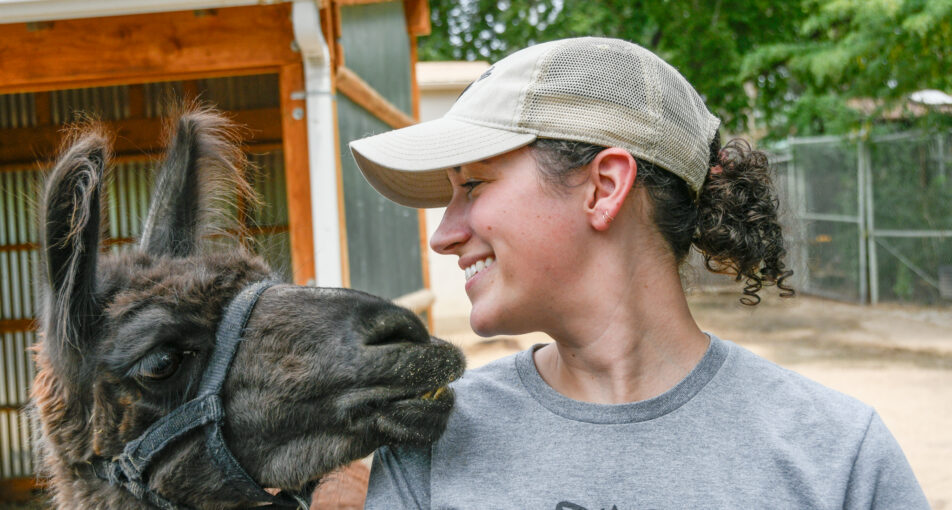
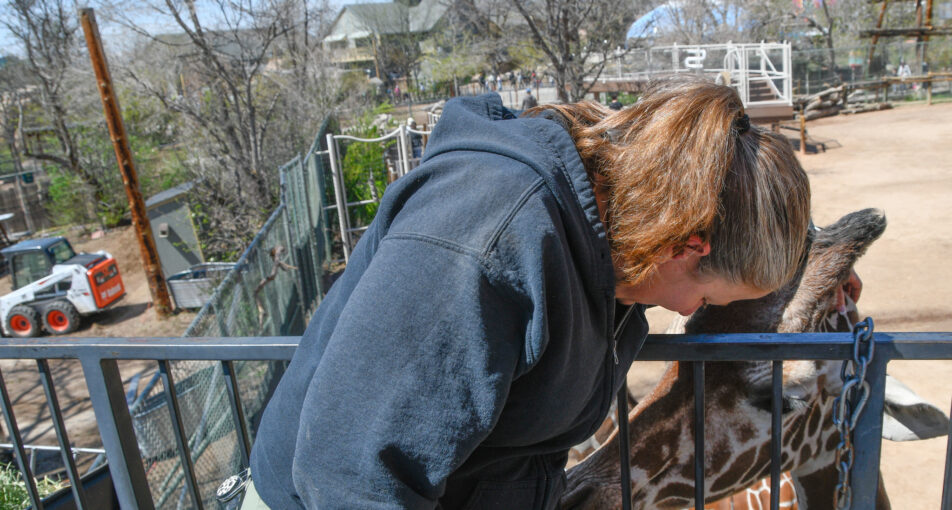
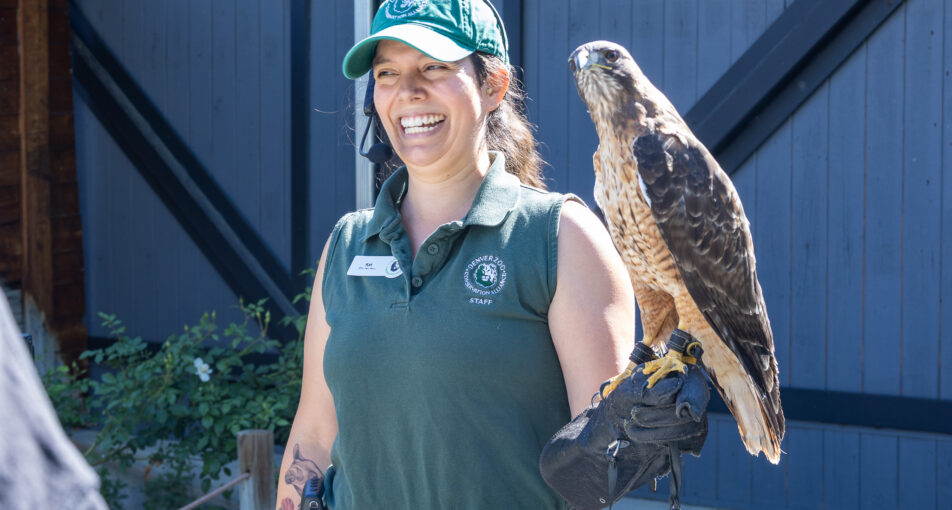
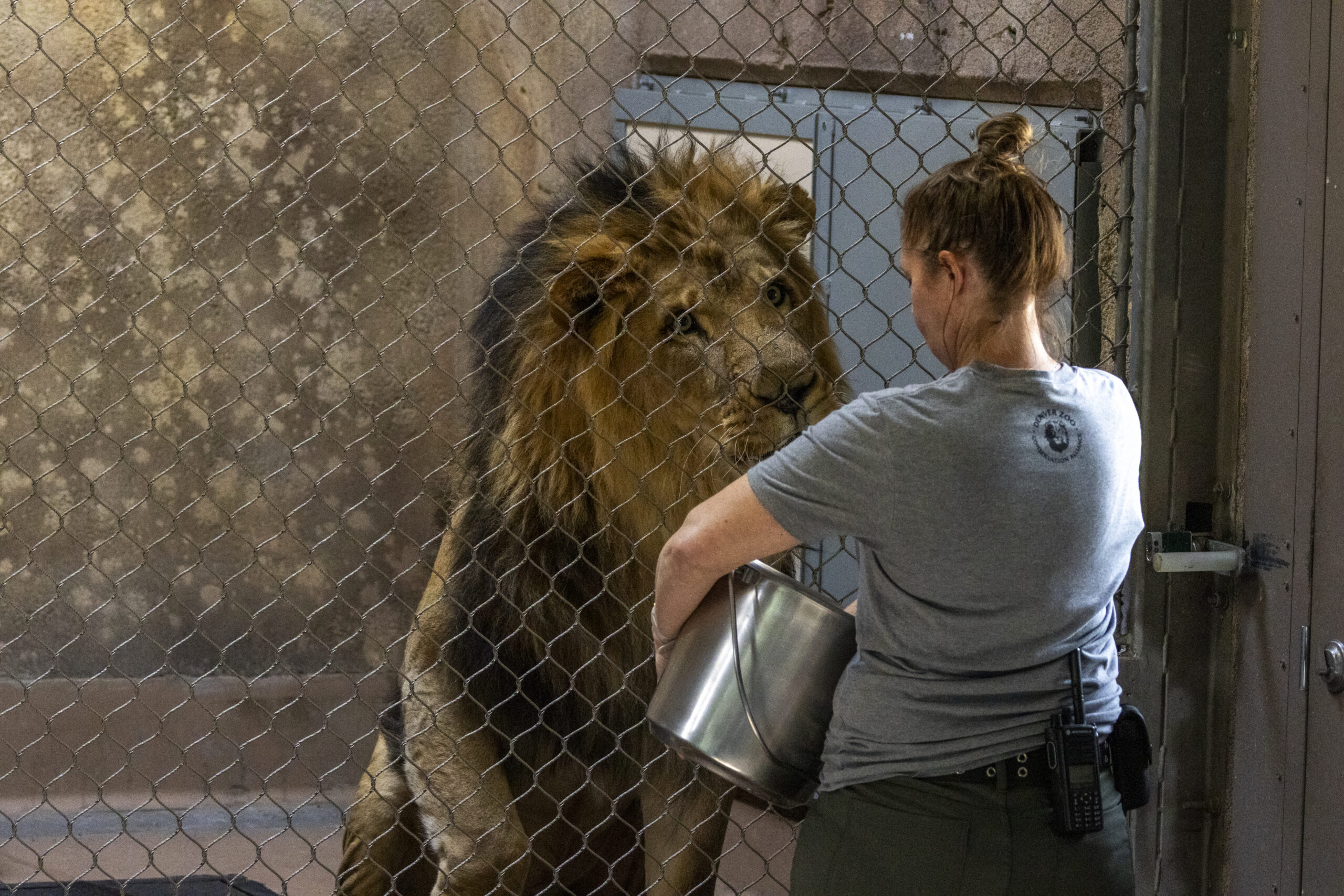
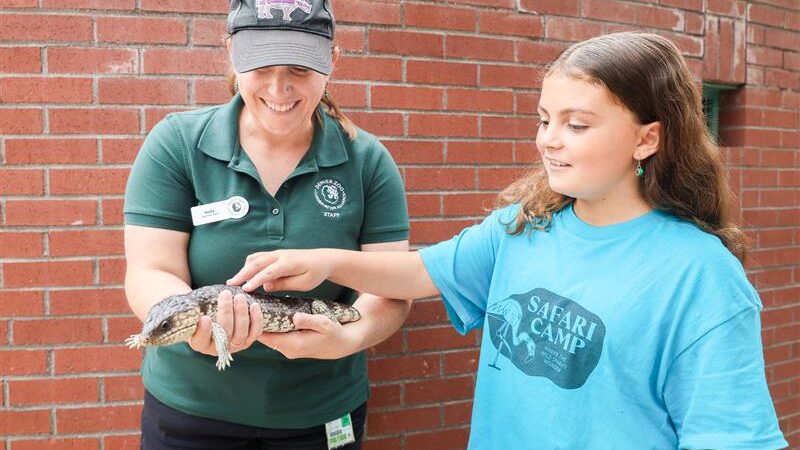
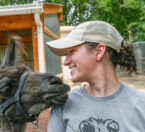
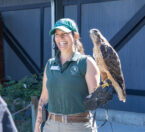
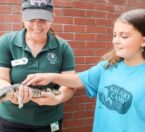
Through dedication, expertise and trusting relationships, our Animal Care Specialists become familiar with each animal’s typical behaviors and routines and provide care that is tailored to each animal’s species, age, medical history and individual needs. These relationships help our teams recognize subtle changes that may signal a health concern. Whether an animal needs routine preventive care or more complex medical support, our teams work together to develop an approach that supports their health and wellbeing throughout every stage of life.
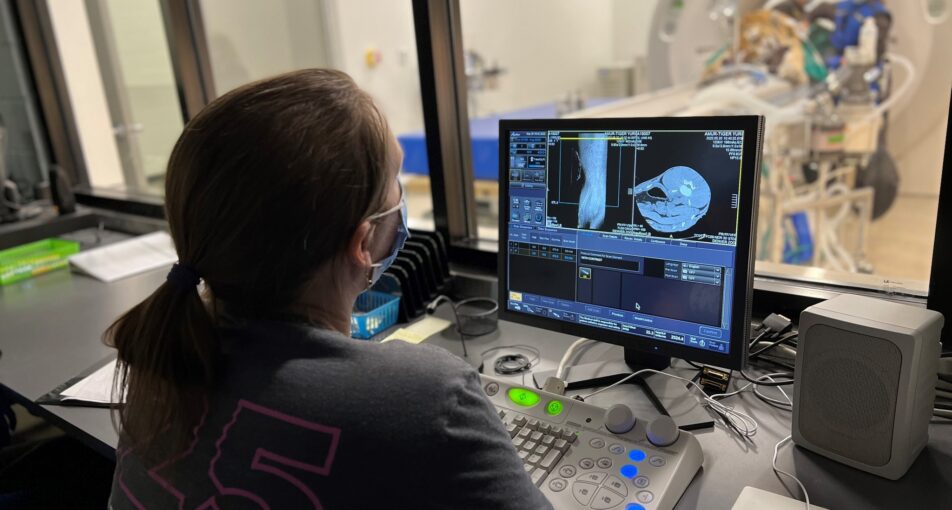
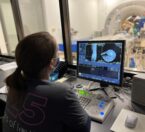
To make this happen, our teams provide specialized veterinary and wildlife health expertise, supported by advanced technology in the Helen and Arthur E. Johnson Animal Hospital and a range of treatment options to provide preventive and specialized care across species.
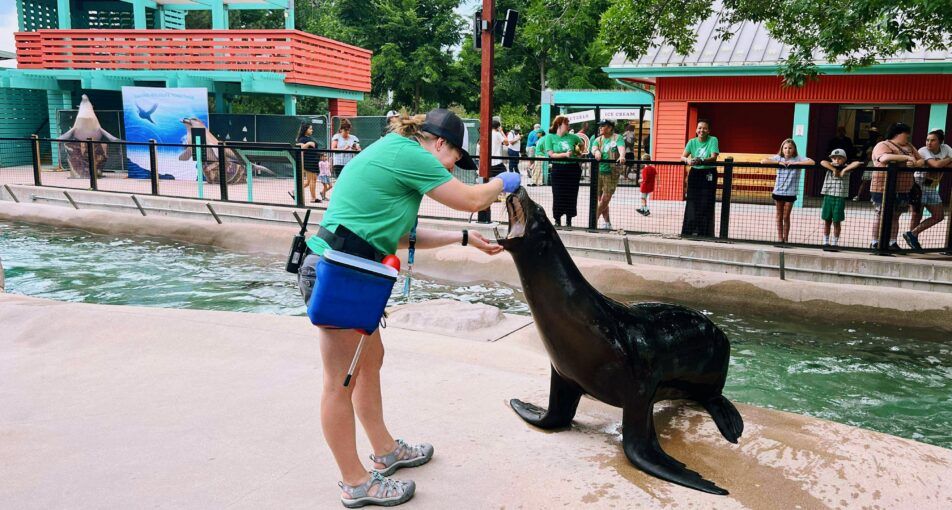
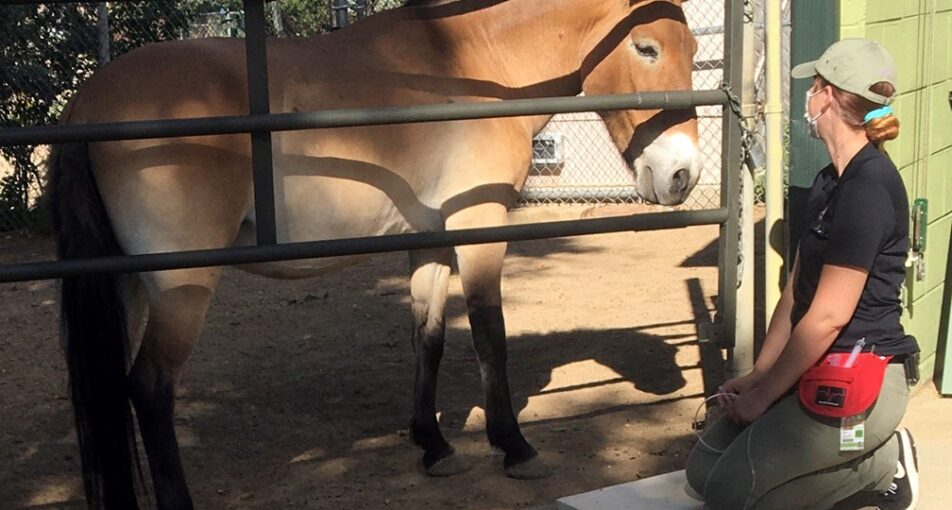
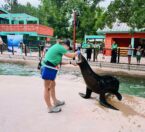
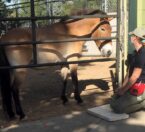
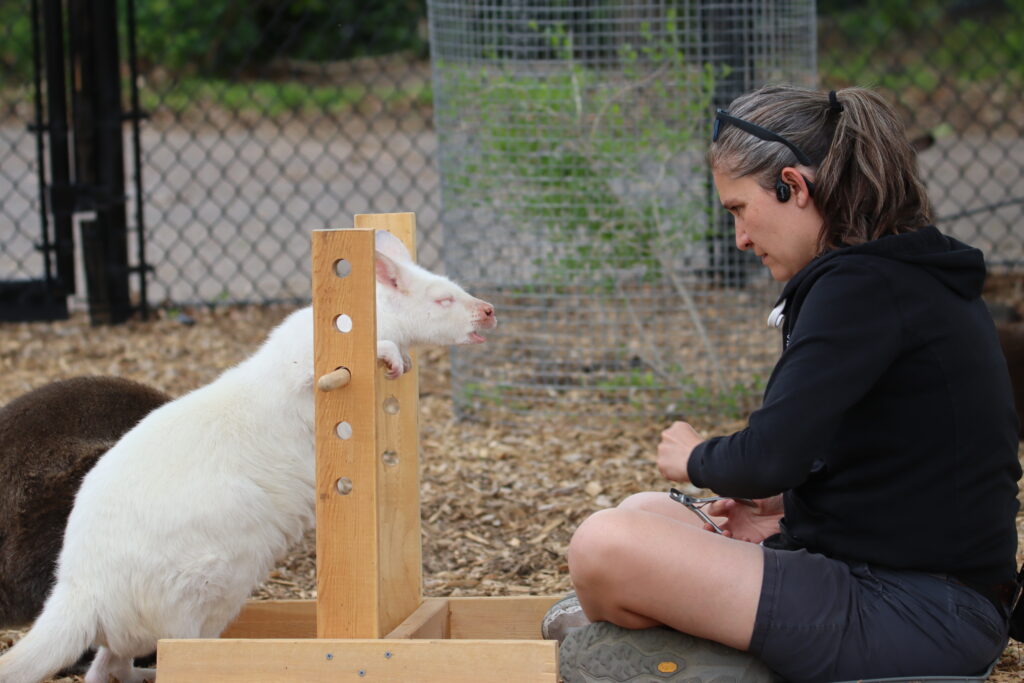
Through positive reinforcement training, many animals learn to voluntarily participate in aspects of their healthcare, such as presenting a body part for examination, stepping onto a scale, allowing blood to be collected, or receiving an injection. This allows our teams to monitor and provide care while giving animals greater choice and control over their experiences. Voluntary participation allows valuable medical information to be collected while reserving anesthesia for more invasive procedures or treatments.
Quality of Life at Every Stage
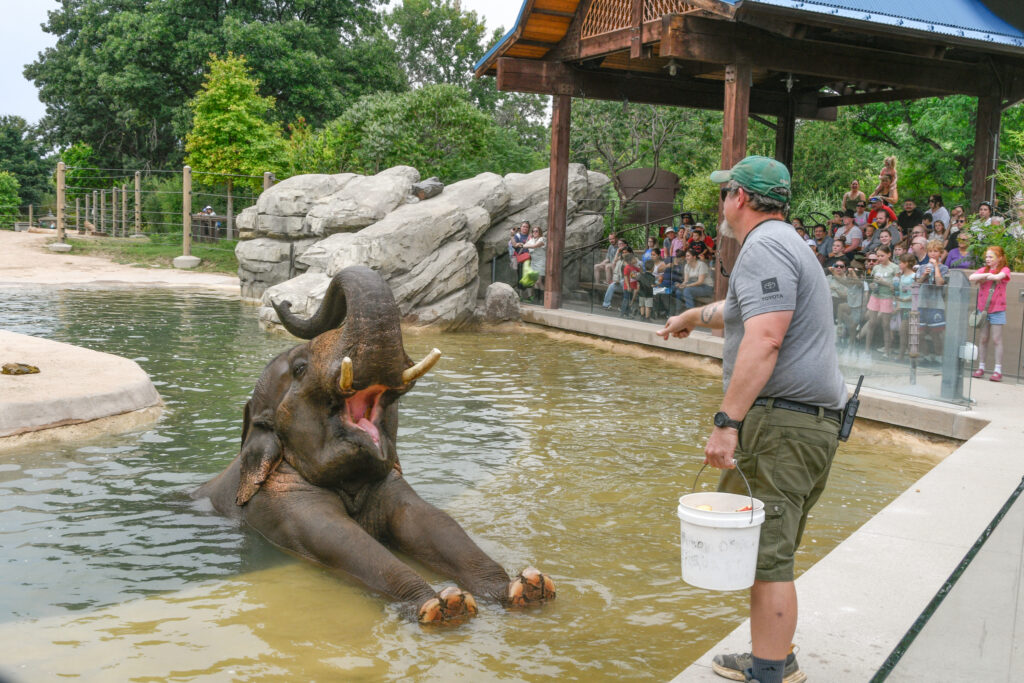
Whole life care also means adapting to an animal’s changing needs throughout their life. As animals age, their care may evolve to include adjustments to their diet, habitat, enrichment or daily routines. Some animals may also require additional diagnostics, medicationor supportive care to manage age-related changes or chronic conditions.
“We don’t focus just on quantity of life; we focus on quality of life as well,” Dr. Jimmy says.
Our Animal Care, Animal Health and Animal Wellbeing teams work together using evidence-based wellbeing assessments to continually monitor an animal’s quality of life and determine how their care can best support their changing needs. The goal is not simply to extend an animal’s life, but to help ensure that they are comfortable, engaged and able to experience the behaviors and activities that are meaningful to them.
Compassionate Care Until the Very End
As animals age, develop chronic conditions or experience serious illness, there may be times when their health or quality of life changes significantly. In these situations, our Animal Care and Animal Health teams work together to assess a range of factors, including the animal’s health, prognosis, comfort and what will best support their overall wellbeing.
When euthanasia is determined to be the most compassionate option, it is part of a thoughtful end-of-life care plan focused on the animal’s comfort, dignity and overall wellbeing.
“Euthanasia in itself means ‘good death.’ It’s not giving up; it’s a part of thoughtful, end-of-life care planning. We want every animal to have a comfortable and dignified end of their life. An animal’s last day does not need to be their worst day.”
Caring for animals throughout their lives is one of the most rewarding parts of our teams’ work, but it also comes with difficult decisions. Among the hardest is determining when an animal’s needs are best served by saying goodbye. It’s a responsibility our teams approach with the same care, compassion and dedication that guide every decision we make for the animals in our care.
What Happens After an Animal Dies?
One of the most frequent questions we receive after an animal passes away is: What happens to an animal after it dies at the Zoo?
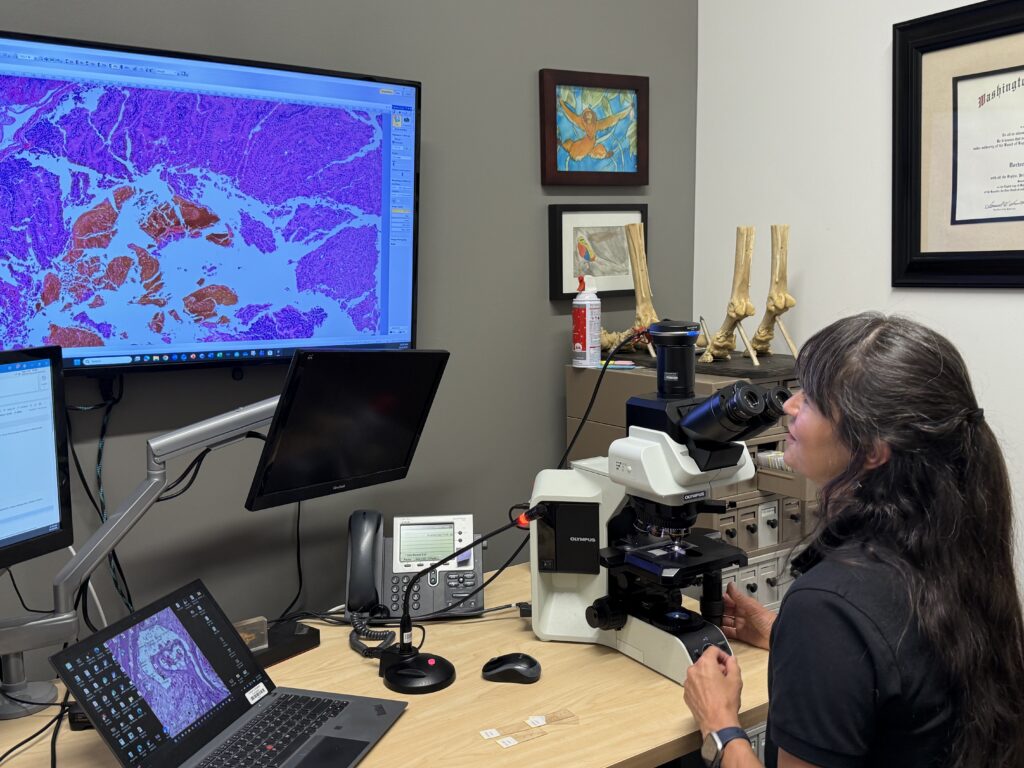
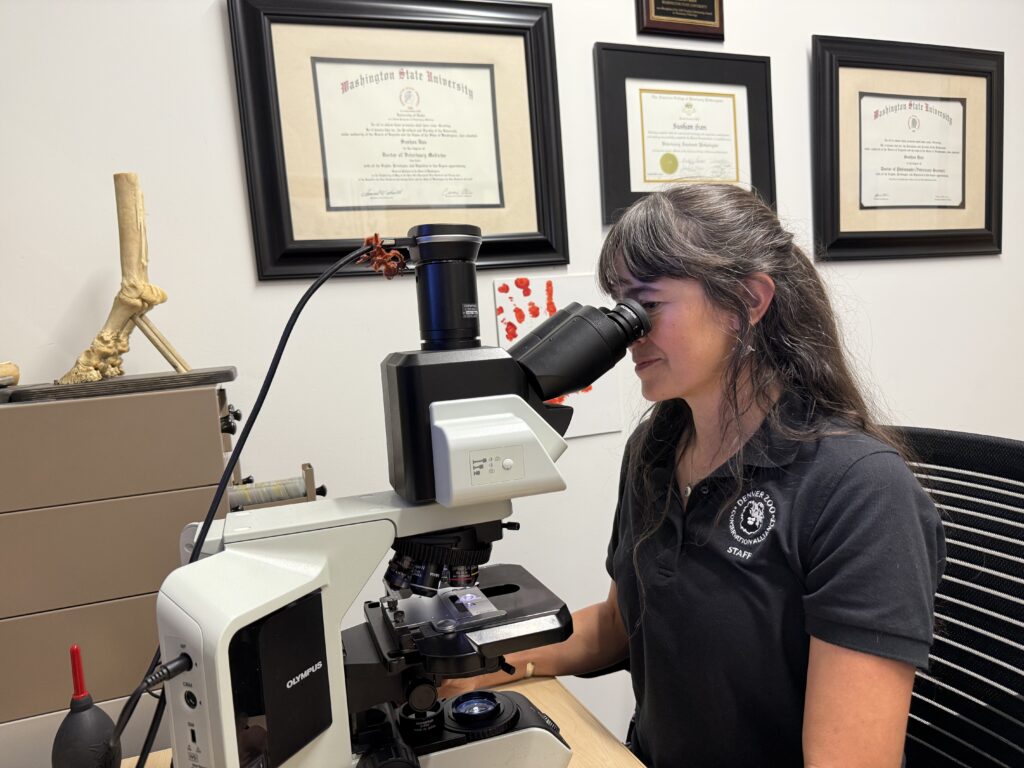
Our commitment to animals does not end when they die. Following the death of an animal at the Zoo, our Board-Certified Veterinary Pathologist conducts a necropsy (animal autopsy) and reviews available diagnostic information to help determine the cause of death and identify opportunities to advance care for that species in the future.
The knowledge gained through these examinations contributes to our understanding of animal health and can help advance veterinary medicine and conservation. What we learn from each animal can inform the care of the animals who remain at DZCA while contributing to a broader scientific understanding of wildlife health.
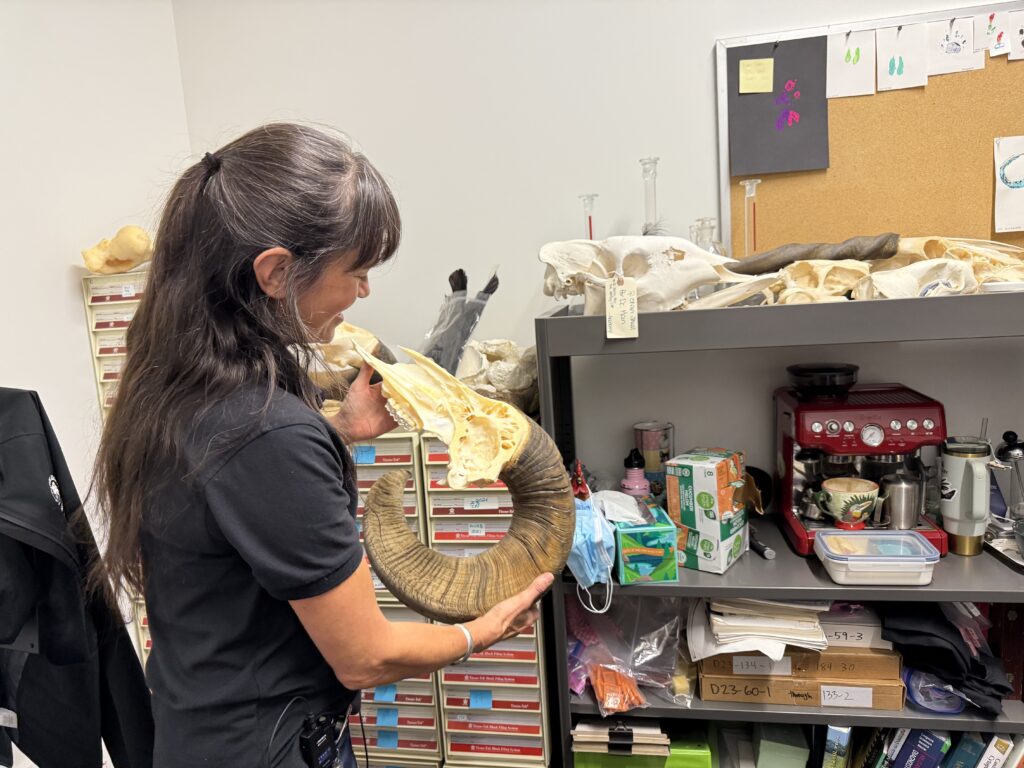
But the opportunity to learn does not end when the pathology work is complete. DZCA maintains an onsite animal specimen education collection, known as biofacts, which has supported hands-on learning experiences for generations of learners at the Zoo.
Through a longstanding partnership, many specimens are also donated to the Denver Museum of Nature & Science, where they become part of a permanent scientific archive. There, researchers can study these specimens for generations, helping expand our understanding of wildlife biology, evolution, and conservation.
So, when a beloved animal dies, their legacy continues as they help contribute to education, science and conservation long after their lives have ended.
We recently featured this unique program. Read more.
A Commitment That Lasts a Lifetime…and Beyond
For visitors, the Zoo experience may be measured in the moments they spend watching an animal explore its habitat, interact with their care team or engage with enrichment. Behind each of these experiences is a dedicated team working every day to understand each animal as an individual and support their needs throughout their life.
For us, whole life care is a commitment to knowing each animal, providing for their needs and ensuring thoughtful care throughout every stage of their life. Advanced veterinary care, nutrition, enrichment and other specialized support can help animals live longer in human care, but longevity is not the goal on its own. Our goal is to help each animal live well and experience a life that is meaningful to them.