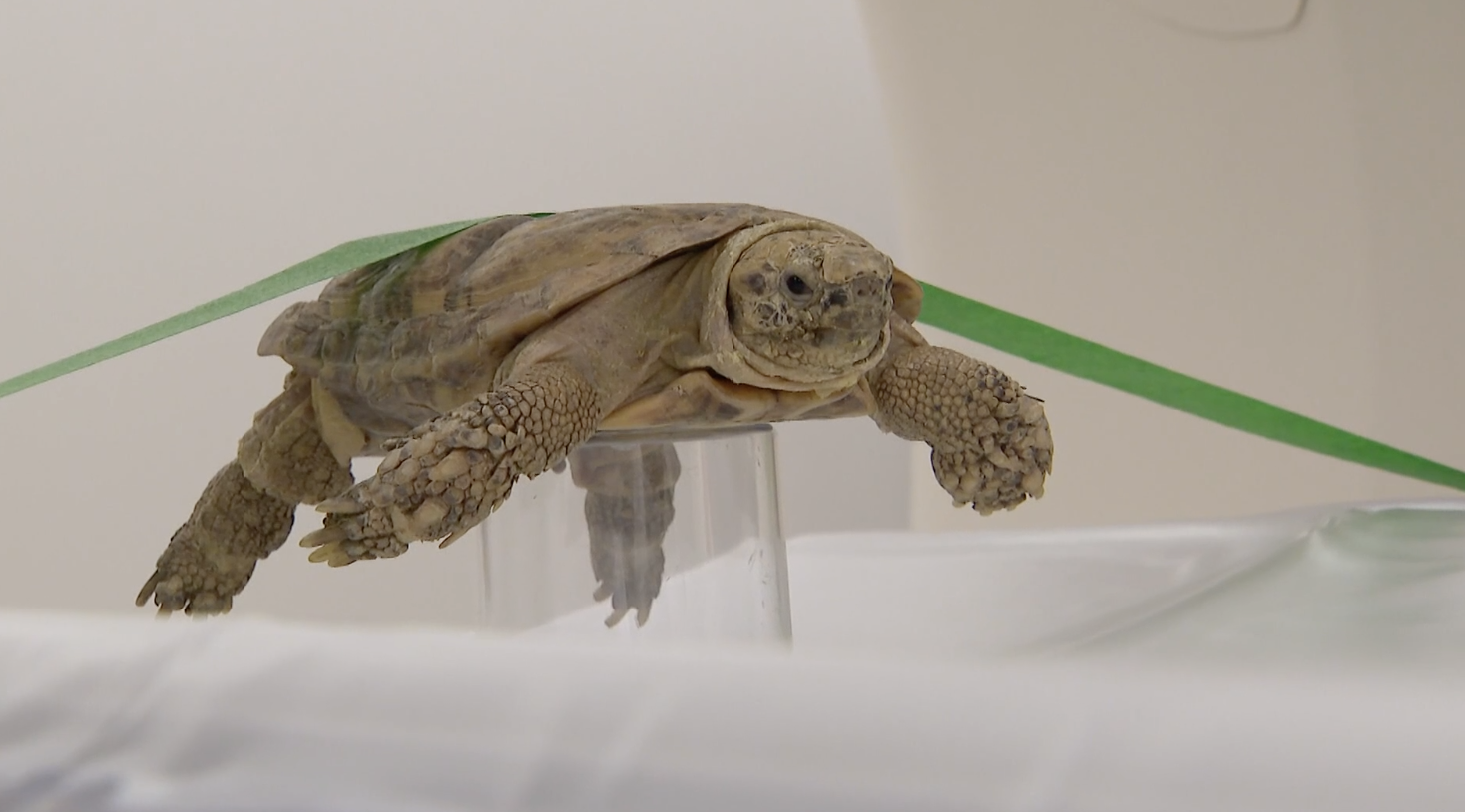
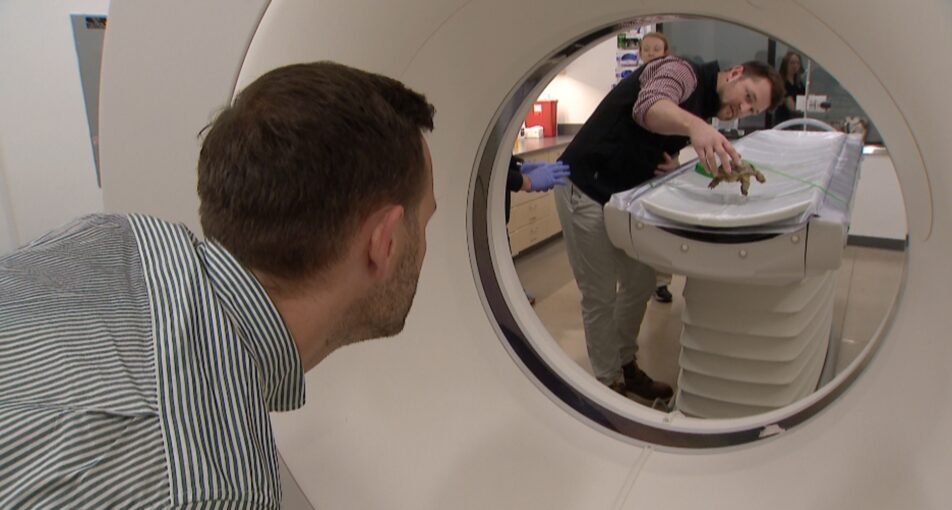
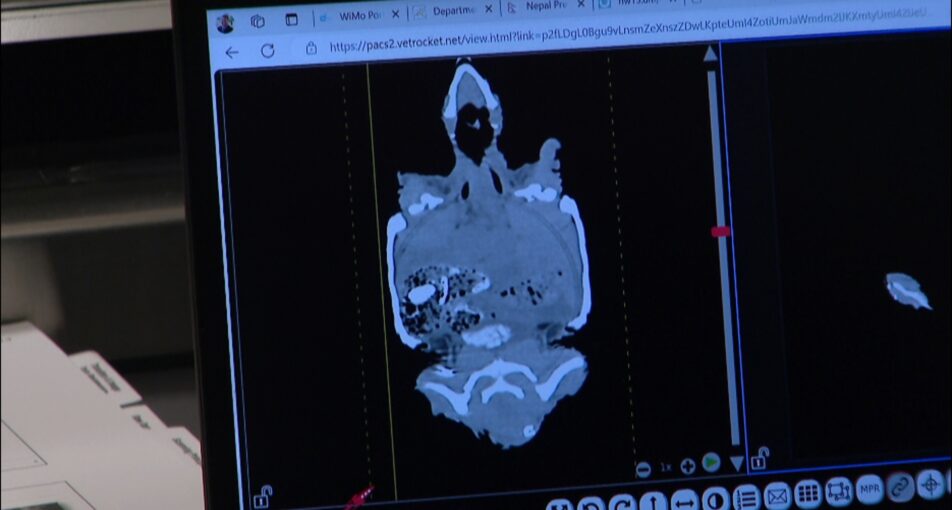
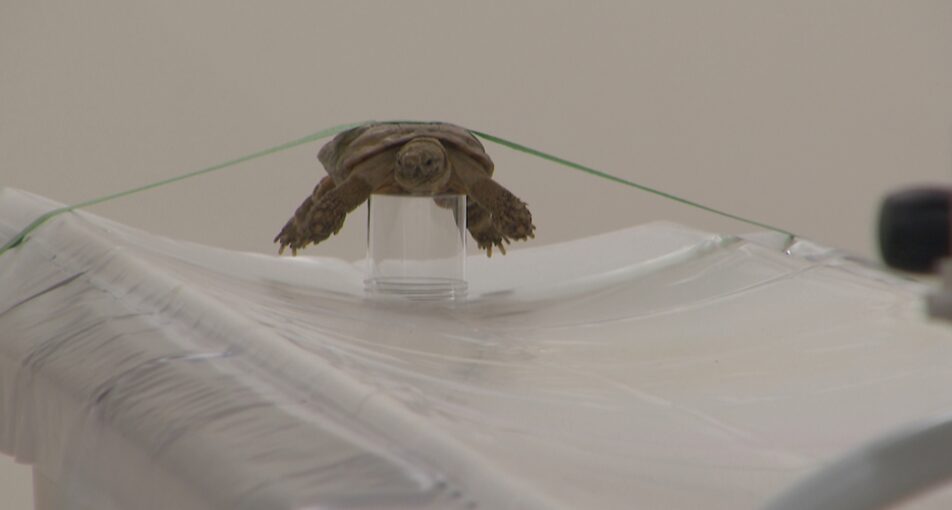
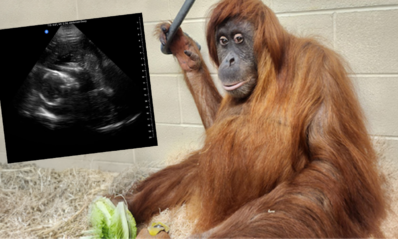
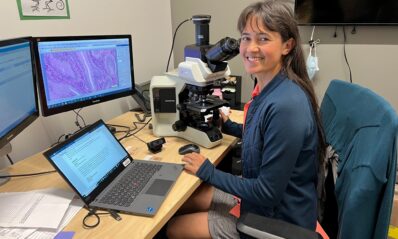
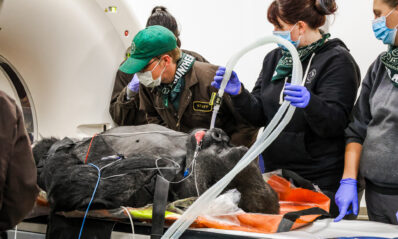
Denver Zoo Conservation Alliance is a leadership partner in the recently launched Zoo and Aquarium Radiology Database, breaking new ground in wildlife care and conservation. Featured this week on 9News, this collaborative project among seven AZA-accredited institutions is a unique digital library of diagnostic images from various species in professional care—from rhinos to stingrays to roadrunners.
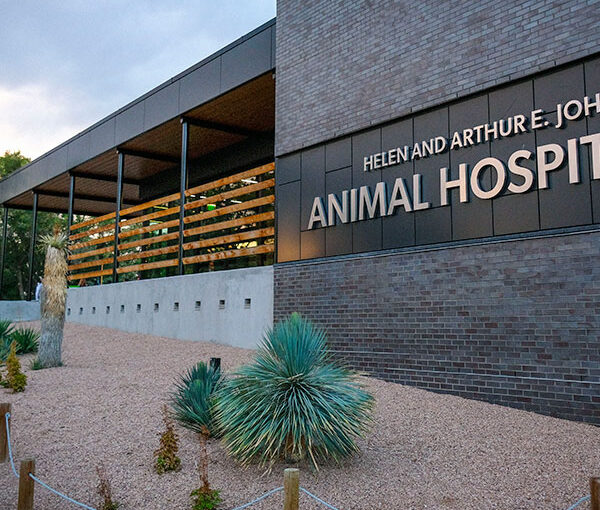
This database provides crucial reference images for veterinary teams to better understand the diverse anatomy of zoo and aquarium animal patients. With a goal to reach 10,000 images across 500 species by 2026, this database promises to be a game-changer for veterinarians, researchers, and conservationists alike to advance animal health and scientific understanding. DZCA is proud to leverage its diagnostic imaging capabilities in the Helen and Arthur E. Johnson Animal Hospital (including an onsite CT scanner) for the best care of our animals and to contribute to this transformative project.
Dive into the fascinating world of zoo and aquarium animal radiology and learn more about how this initiative supports both wildlife in professional care and vulnerable populations in the wild in the video below.
As a non-profit conservation organization, DZCA relies on our generous donor community to help us fund the world-class care we provide for our 2,500+ animals. Click HERE to learn how you can help animals in our care and their wild counterparts around the globe.
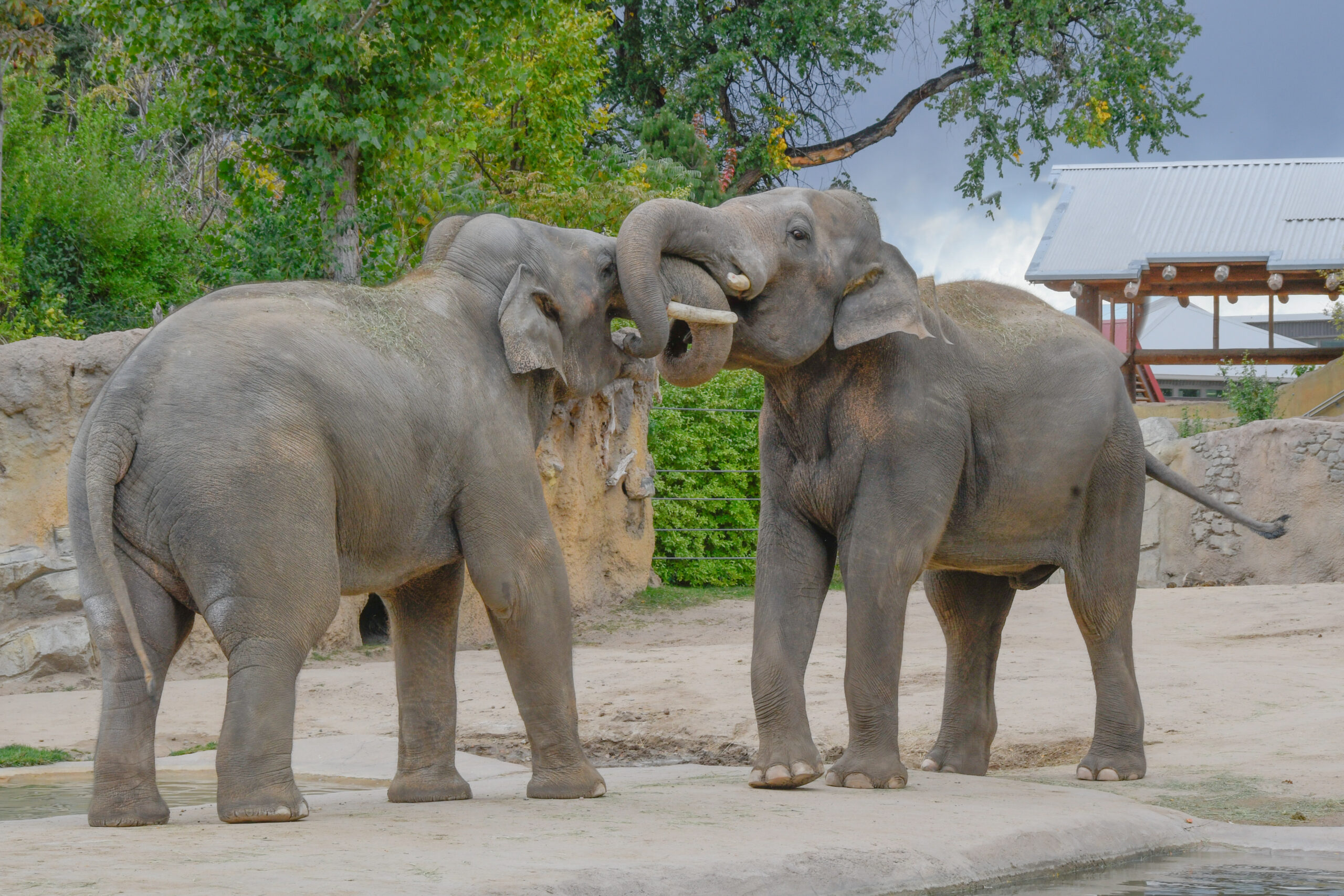
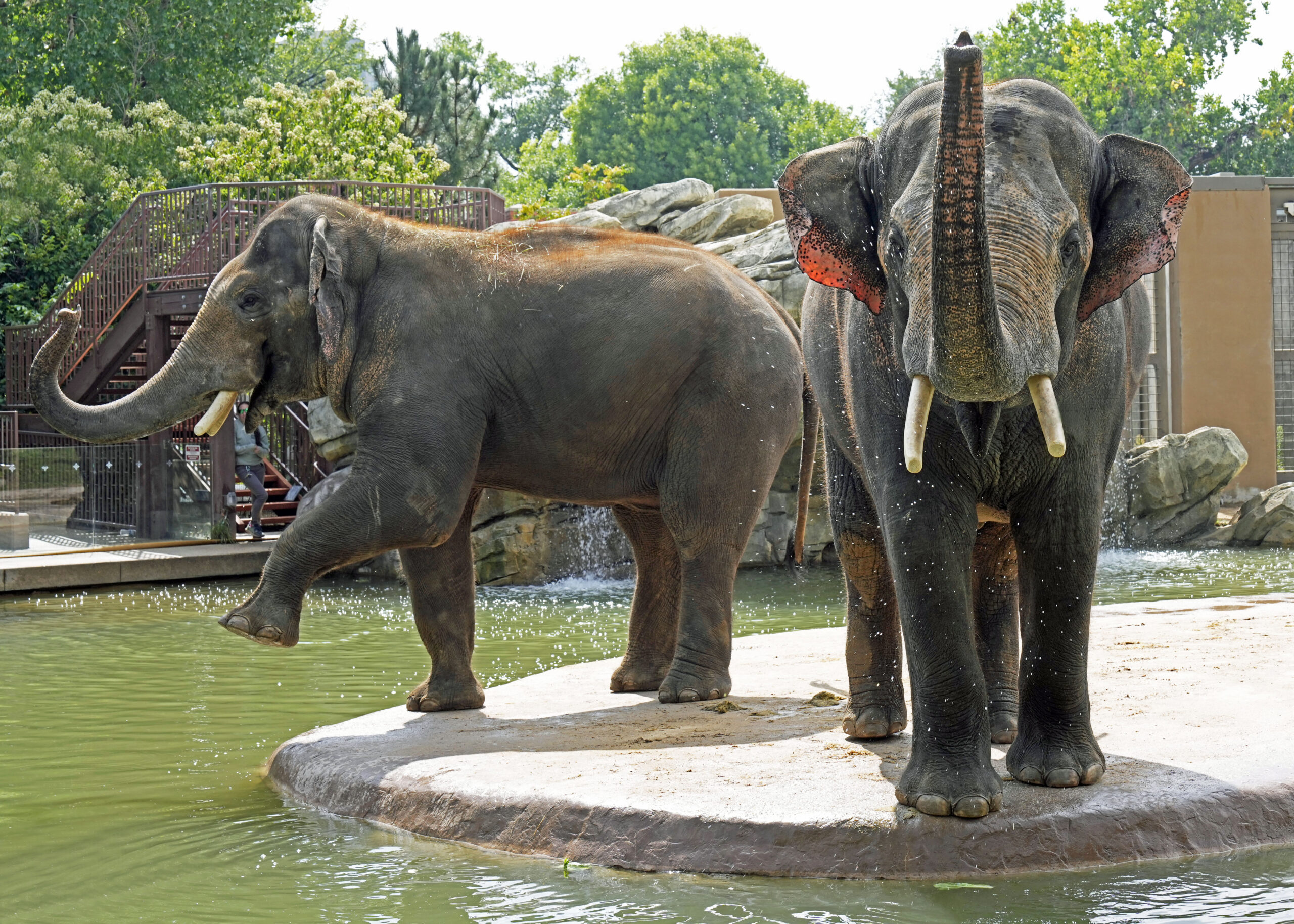
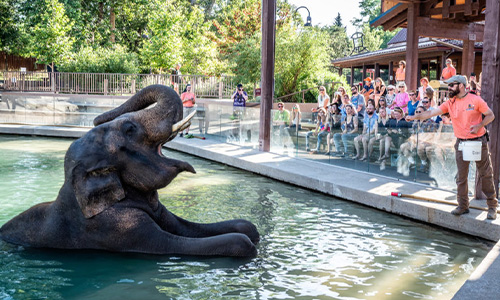
Endangered Asian elephants have a matriarchal social structure, leading males to leave their maternal herds and form loose bachelor groups as they mature. Recognizing the need to house male Asian elephants from zoos accredited by the Association of Zoos and Aquariums, we created Toyota Elephant Passage, a habitat designed specifically for bull elephants, where our teams continually learn about the complex social dynamics of these animals.
Toyota Elephant Passage is one of the largest and most complex elephant habitats in North America, spanning 10 acres with two miles of interconnected trails. This multi-species habitat allows Asian elephants and other species to rotate among five distinct habitats. Featuring mud wallows, scratching trees, shade structures, and over a million gallons of water for swimming and bathing, the habitat fosters active, engaged, and healthy animals while providing them with daily opportunities for varied social experiences.
Innovative Care for Bodhi
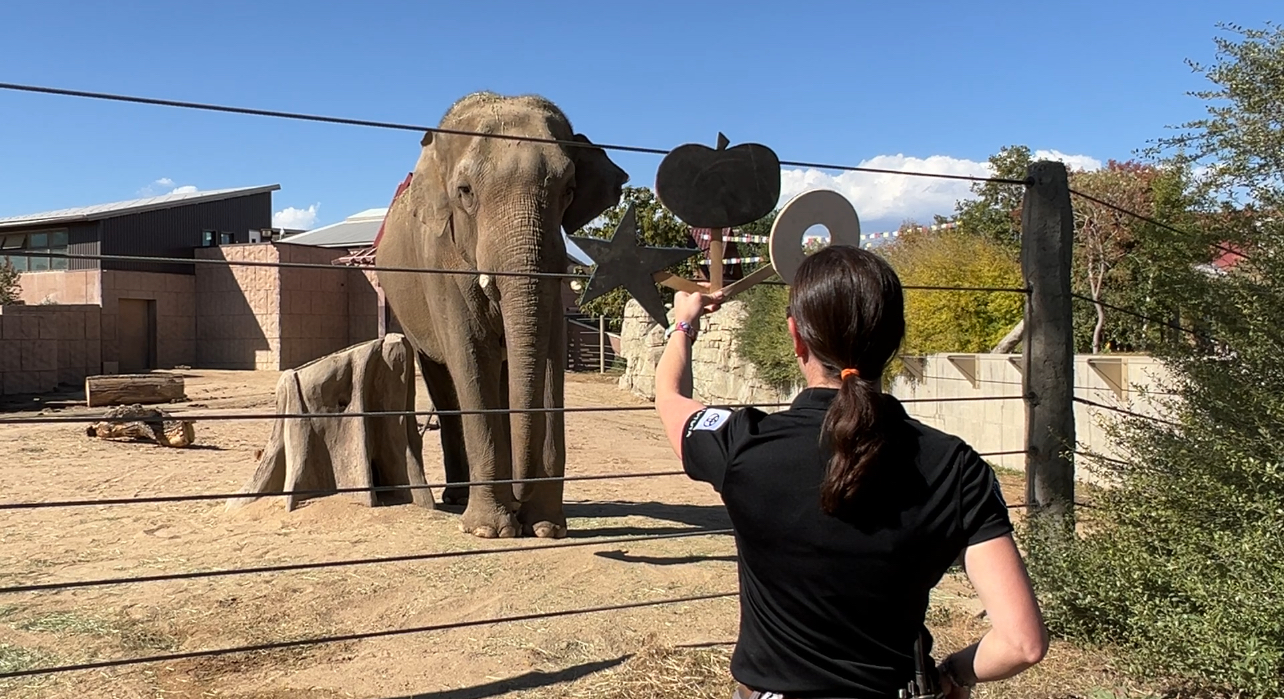
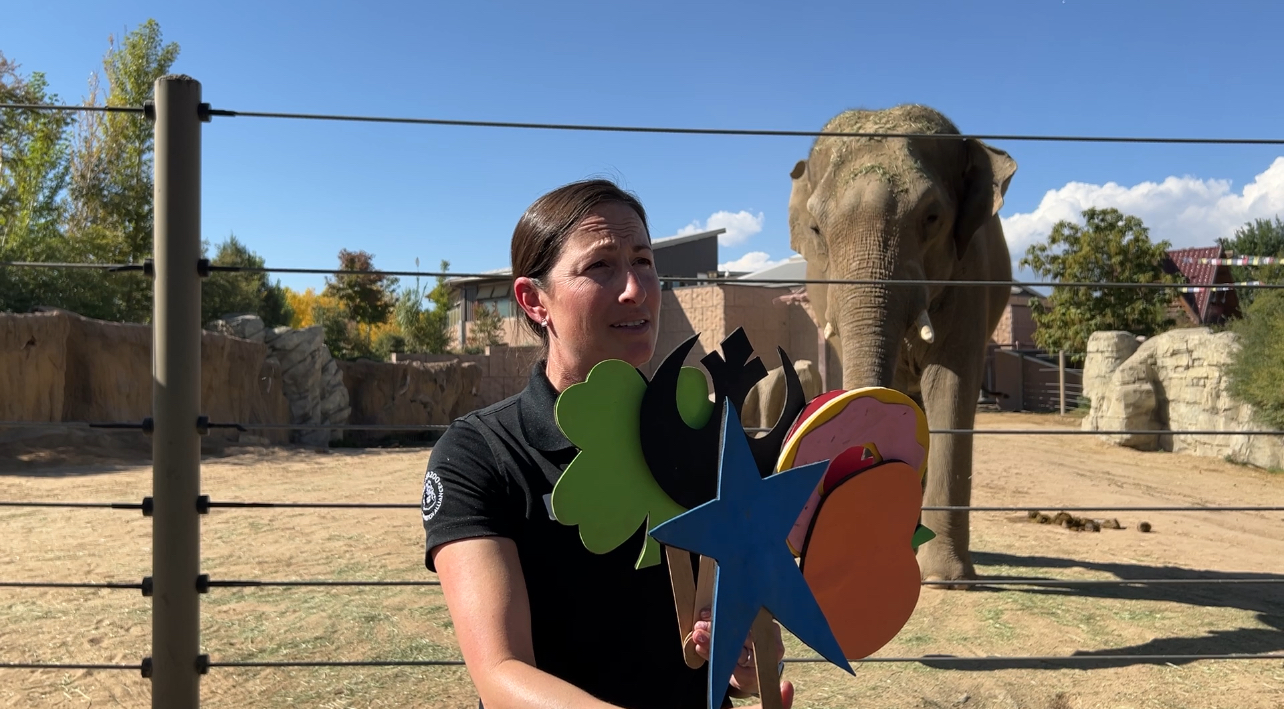
While the variability in the habitat and social groups works well for our other five elephants, our Animal Care team noticed that 20-year-old Bodhi didn’t display the same confidence as the other bachelors in moving between the various habitats in Toyota Elephant Passage. To support Bodhi’s wellbeing, his dedicated team developed a personalized care plan and created a way to better communicate these changes with Bodhi.
His team developed a shape system to represent each elephant in our bachelor herd. With these shapes, Bodhi can now choose whether he wants to spend time by himself or socialize with companions. As the star of this unique training program, it’s only fitting that Bodhi is represented by a blue star!
Thanks to this specialized training two years in the making and the dedication of his devoted care team, our teams share that Bodhi is more confident when moving between habitats and interacting with other elephants. This innovative training gives him more choice and control over his social interactions, has boosted his confidence and helps create a positive, enriching environment.
Watch the video below to learn more about this specialized care from Curator of Large Mammals Maura Davis and Animal Care Specialist Lauren Cahill.
Bodhi’s story is just one example of the personalized wellbeing plans our dedicated teams create for over 2,500 individual animals. Want to support this expert care? Donate to DZCA this Colorado Gives Day! Your contribution helps us continue providing exceptional care to stars like Bodhi. Donate here and thank you for supporting lives well lived!
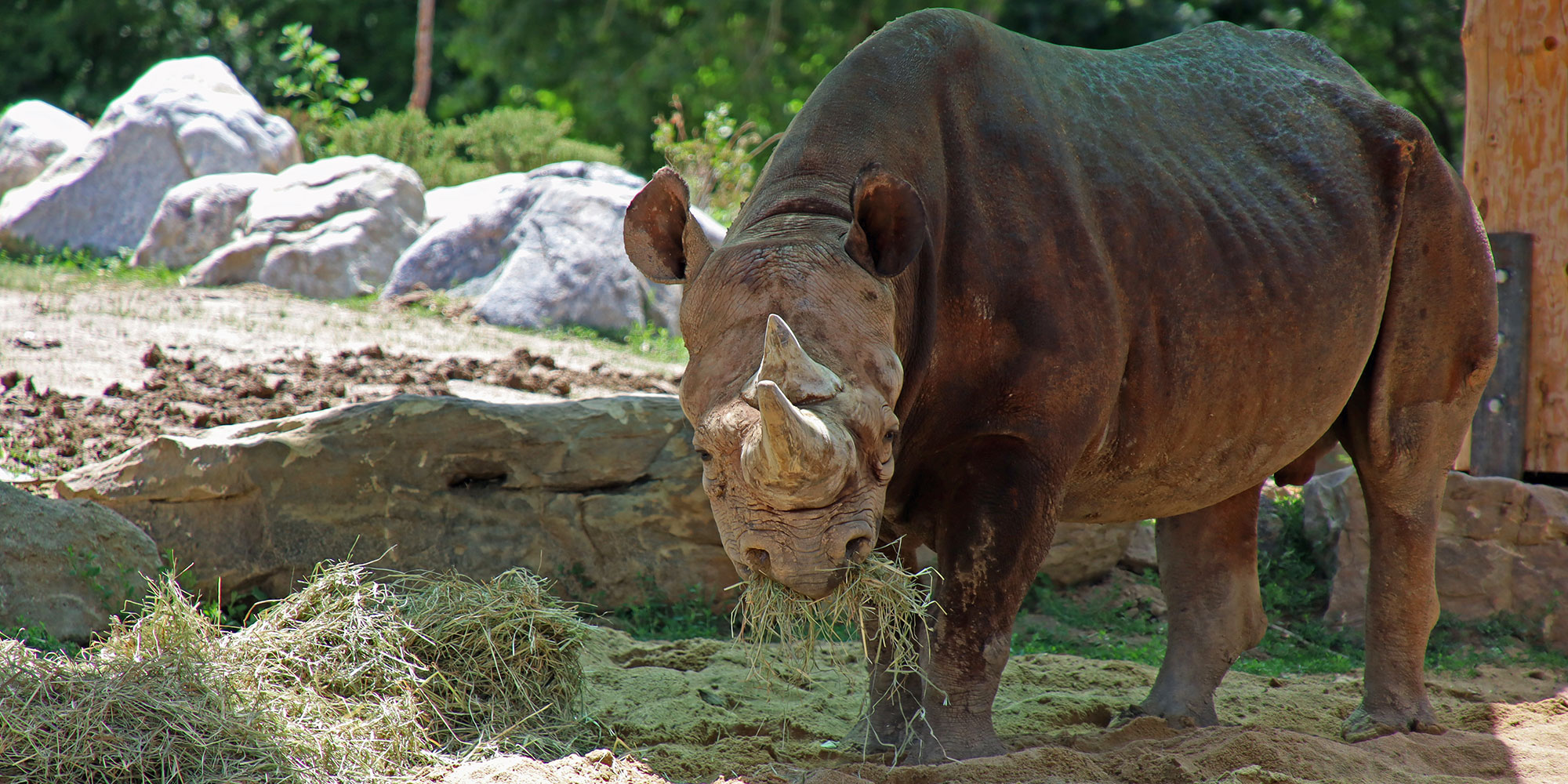
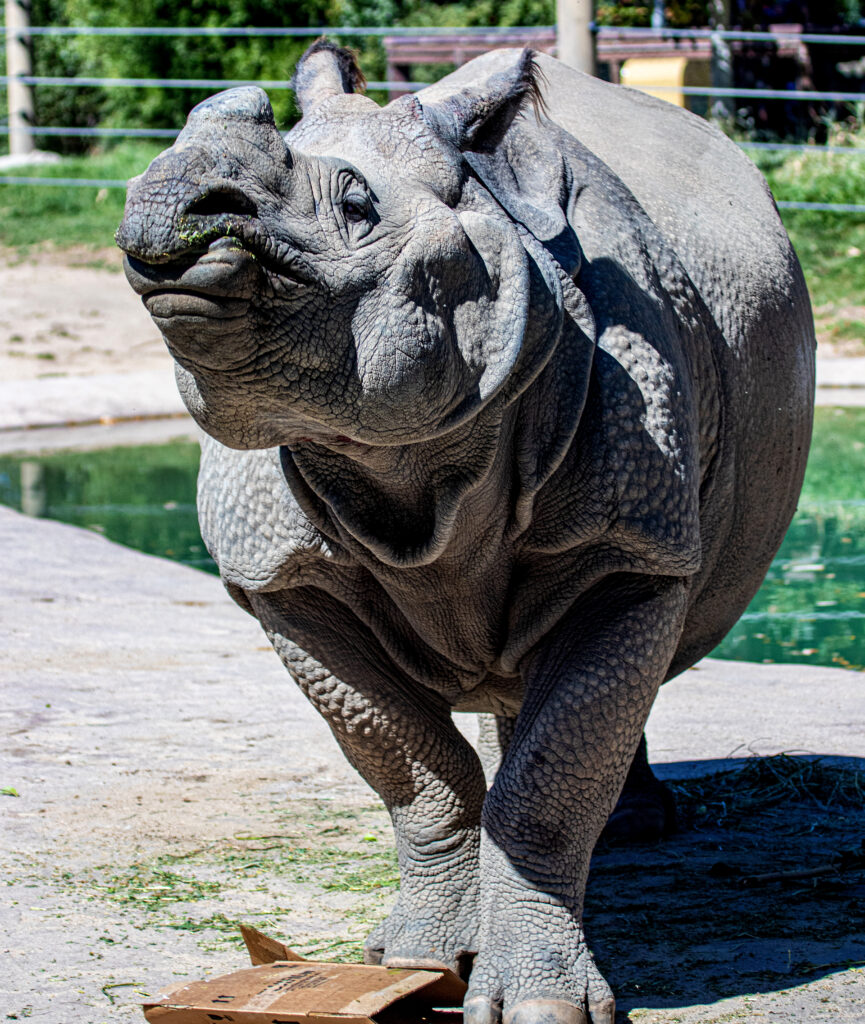
Here at Denver Zoo Conservation Alliance (DZCA), we’re home to three rhinos; Rudy, our Critically Endangered black rhino, and Tensing and Bandhu, our Vulnerable greater one-horned rhinos. Through specialized care, breeding programs, and public education, DZCA plays a crucial role in safeguarding these incredible animals. Yet, our efforts don’t stop at the Zoo gates.
Conservation—especially with our ability to connect these days—needs more alliances. When we refreshed our brand earlier this year as Denver Zoo Conservation Alliance, this gave us an opportunity to feature all the amazing alliances we’ve formed in recent months. Read on to learn more about two of these important partnerships.
Black rhino Rudy, Greater one-horned rhino Bandhu and Greater one-horned rhino Tensing
The Power of Alliances: Global Rhino Conservation
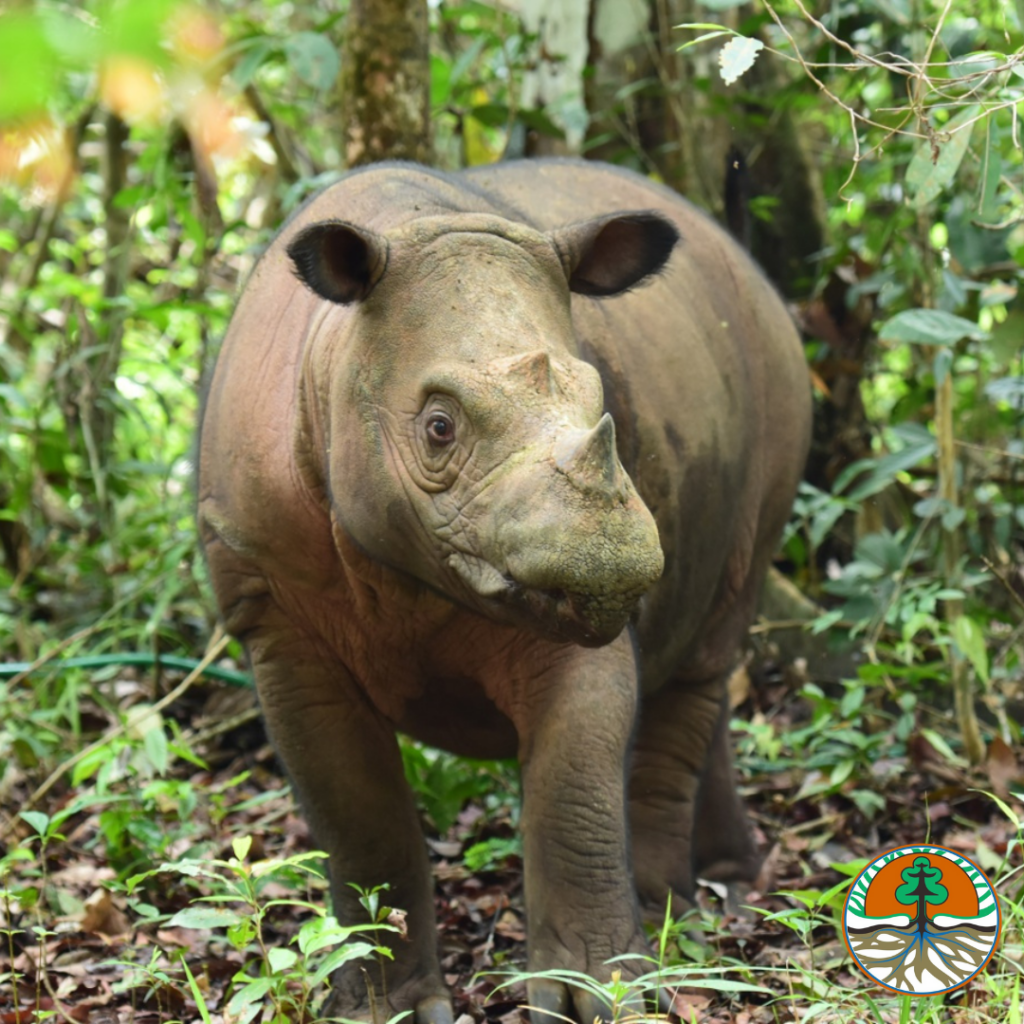
One of these alliances involves the International Rhino Foundation (IRF) and our partner, Forum Konservasi Leuser (FKL) in Sumatra, Indonesia. The Leuser Ecosystem in Aceh province, near the northern tip of Sumatra Island, may be the last stronghold for wild Sumatran rhinos, which number less than 80. In a landscape three times the size of Yellowstone National Park in the United States, FKL’s Wildlife Protection Teams (WPTs) are vital in patrolling this vast area. Both IRF and DZCA support these teams, composed of highly trained members who can endure the rigorous and remote terrain; currently, FKL manages a total of 39 WPTs in the Leuser Ecosystem. In addition to patrolling, WPTs also document signs of rhinos and other wildlife, dismantle snares, and document human disturbance encountered in the habitat.
Rhino Conservation Comes Full Circle
To bring this three-way alliance full circle, Angela Yang, DZCA’s Director of International Field Conservation, sits on IRF’s Advisory Board so she is apprised of the latest state of conservation for all five remaining rhino species. These conversations ensure that DZCA’s field conservation strategy remains relevant, informed by colleagues, partner organizations, and field experts. These invaluable alliances are what will move the needle (or in this case, the rhino) forward in our joint conservation efforts. IRF has just released their latest “State of the Rhino” report available here.
Sumatran rhino images courtesy of the Indonesian Ministry of Environment and Forestry and a photo of Angela Yang with white rhinos in Esawtini.
We invite you to learn more about our conservation efforts and how you can support rhino protection. Through education, collaboration, and action, we can ensure a future for rhinos—both here at DZCA and across the world.
Follow Denver Zoo Conservation Alliance on Facebook, Instagram, TikTok and LinkedIn for updates on our rhinos and rhino conservation work!
Discover how our team is using cutting-edge tools, like a prioritization tool developed through a collaboration with William & Mary, to ensure our efforts are targeted where they’re needed most.
Written By: Regional Conservation Director – Africa Lynn Von Hagen, Regional Conservation Director – Latin America Matt Herbert, and Director of International Field Conservation Angela Yang
As a zoo-based conservation organization, Denver Zoo Conservation Alliance (DZCA) supports conservation in Colorado and across the globe. These conservation programs are often centered around the species in our care so that we can connect Zoo visitors to the work of conservation practitioners working with species in the wild. We also support programs focused on wildlife listed as threatened by the International Union for the Conservation of Nature’s (IUCN) Red List. One of the interesting challenges to this kind of work is evaluating which species and landscapes fit within our strategic plan and need our support.
One of the ways we are addressing this challenge came from International Field Conservation Director Angela Yang’s vision: a prioritization tool that integrates relevant, publicly available scientific datasets into a spatial Global Information System (GIS) mapping platform that could be used to assess potential species and landscapes for conservation support. But what do you do when your ideas exceed some of your technical experience? Well, you collaborate with other experts of course! The idea started to become reality as Angela, who sits on the Advisory Board of the Institute of Integrative Conservation (IIC) at the College of William & Mary, started talking to Dr. Rob Rose, Executive Director of the IIC. DZCA formed a collaboration with the IIC and Dr. Karl Didier, an independent consultant, all coordinated by Dr. Lynn Von Hagen, DZCA’s Regional Conservation Director for Africa. With this combined vision and expertise, we are moving ahead with the prioritization tool, as well as other conservation planning projects with the William & Mary students.
For the prioritization tool, Evelyn Hall, an undergraduate student majoring in Integrative Conservation and Ecological Data Visualization, worked on this project as part of the Fall 2023 Conservation GIS lab. She integrated data layers from development, climate vulnerability, and corruption perception into ecological layers, forming the basis of the prioritization tool. The tool is nearing completion and beta testing, and we hope it will be useful as a planning tool for other zoos and organizations seeking to use scientific data to inform which conservation projects they invest in.
In addition to the prioritization tool, we also collaborated on another project with a group of undergraduate students from William & Mary that helped assess a species for conservation support. DZCA’s Regional Conservation Director for Latin America, Matt Herbert, has been working with Malvika Shrimali, Lucas Theobald, Cassidy Gersten, and Alexa Busby to develop a potential program plan for landscape-scale conservation in the Amazon basin of Peru, featuring jaguars as a focal species. The students are using the Conservation Standards, an internationally recognized toolkit for program development, implementation, and evaluation, to guide the process. The approach used by the students involves conducting a literature review and speaking with experts to identify threats to jaguars and their habitat, and potential mitigation strategies. This work focused on a geographic area identified as high priority in jaguar conservation strategies and by experts from Peru. A report with findings and recommendations will be presented to Matt in May for consideration as a future direction in DZCA’s biodiversity conservation efforts in the region.
Both the prioritization tool development and the species assessment are fitting examples of how multiple organizations can collaborate to create amazing products that help inform conservation decisions. As you can see, conservation is inherently interdisciplinary. These examples of collaboration also align with one of the important aspects of our global conservation strategy: maximizing our impact through science, innovation, and strong alliances. Indeed, working together to support species and landscapes in need is just one of the many ways Denver Zoo Conservation Alliance—with the help of our partners— is Inspiring Communities to Save Wildlife for Future Generations.
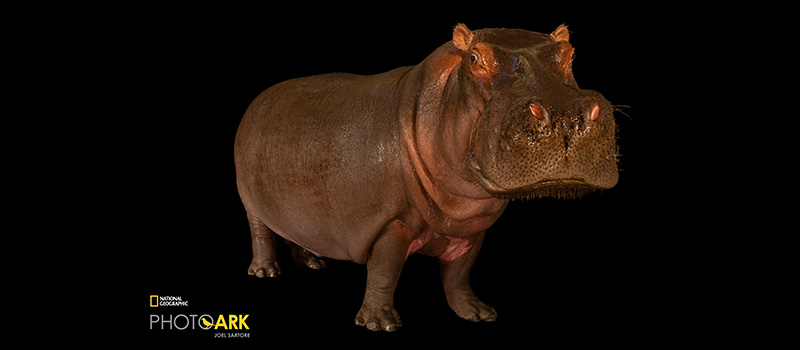
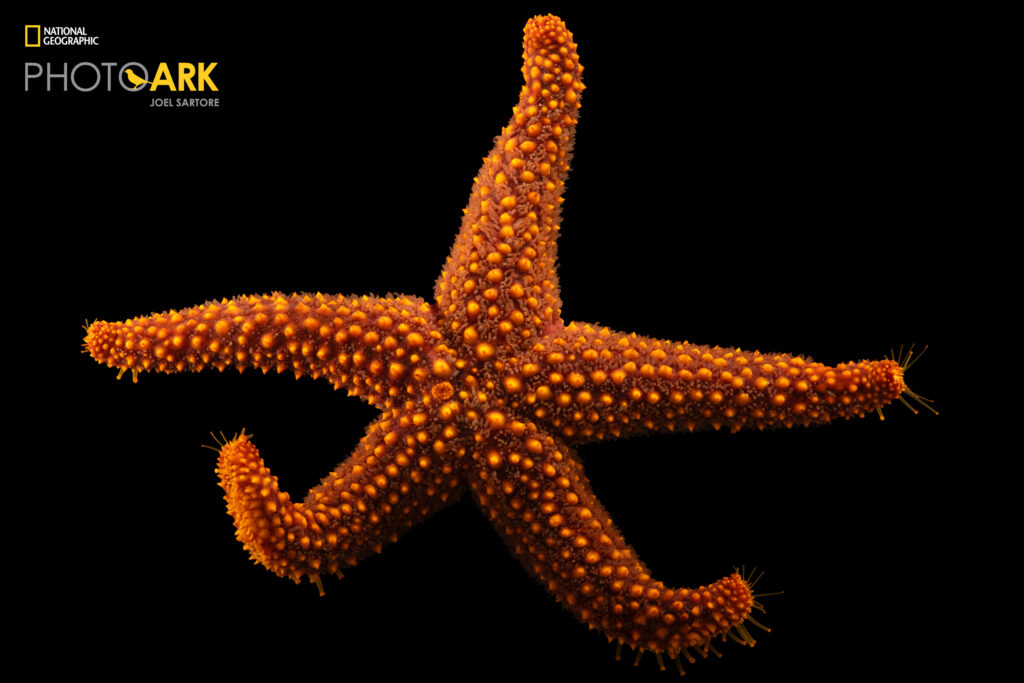
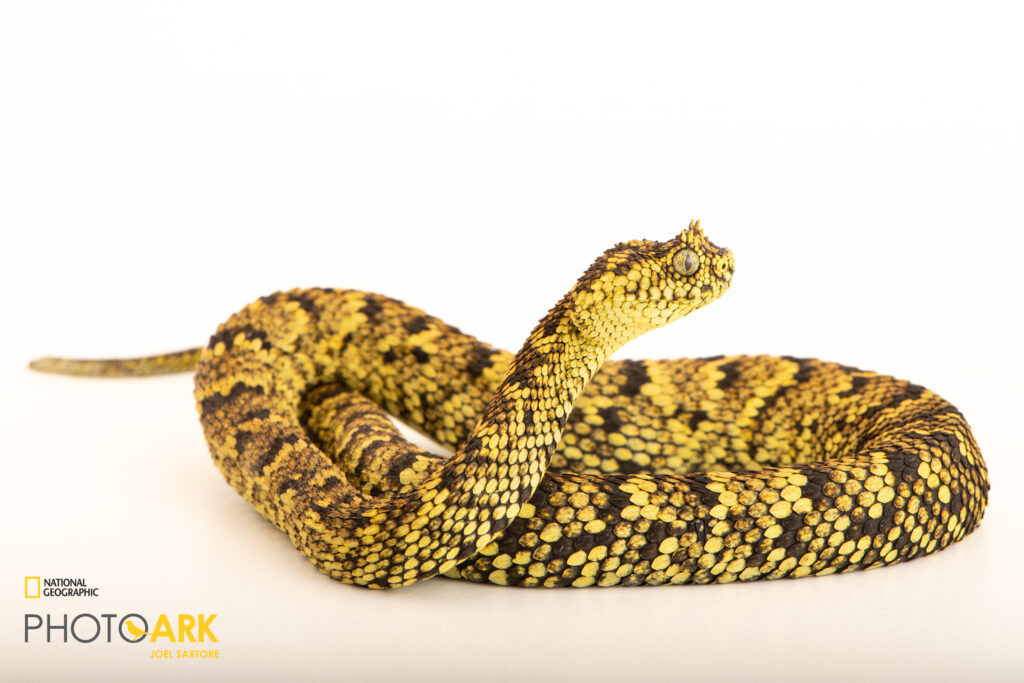
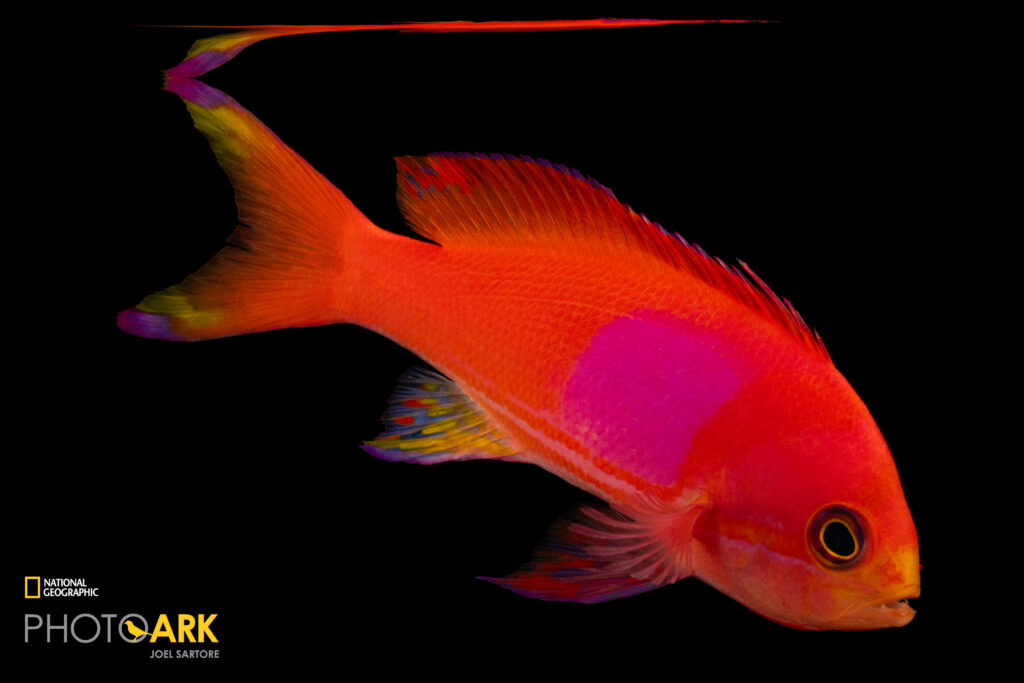
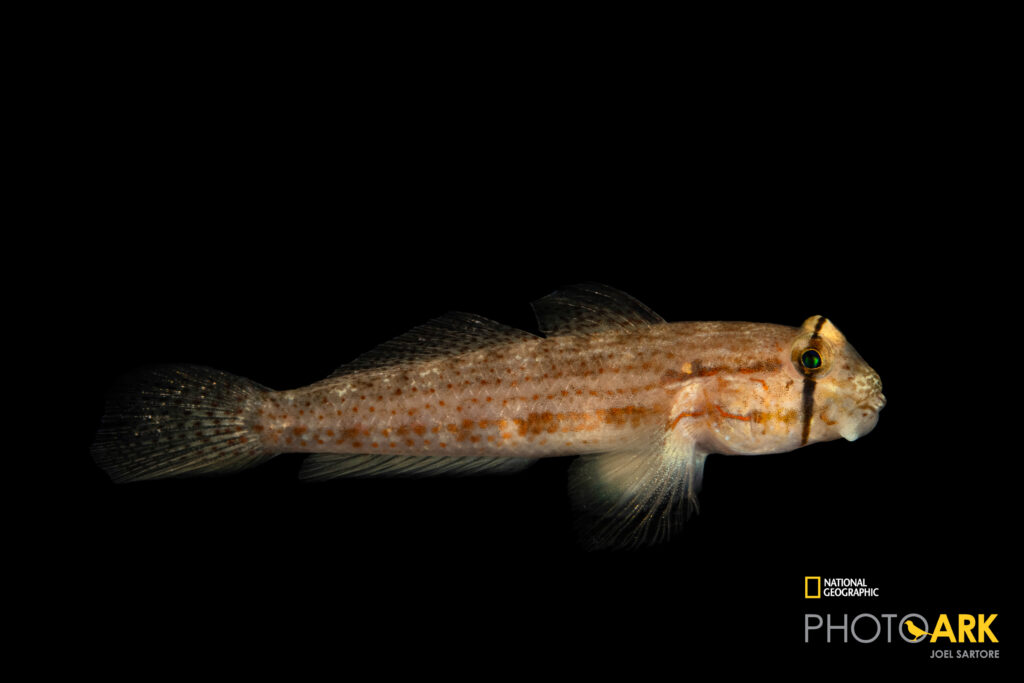
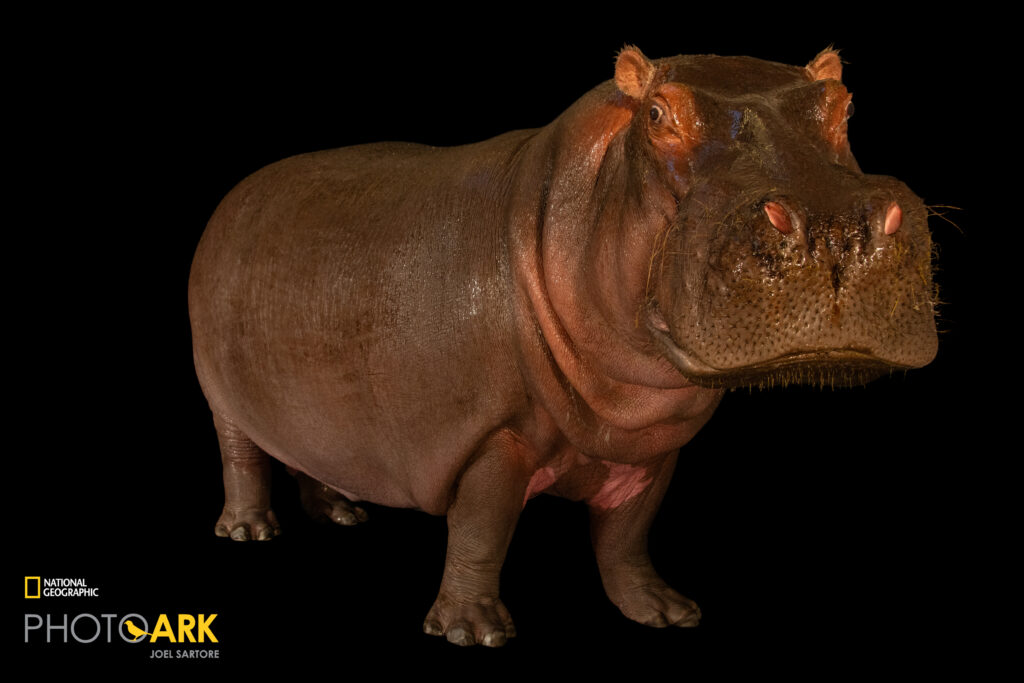
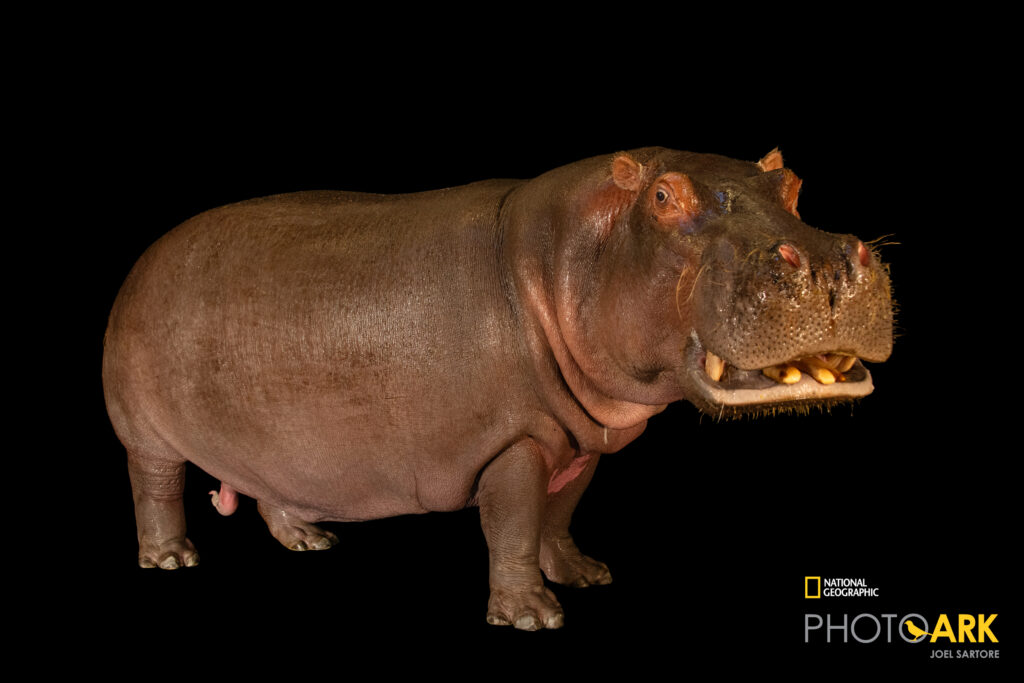
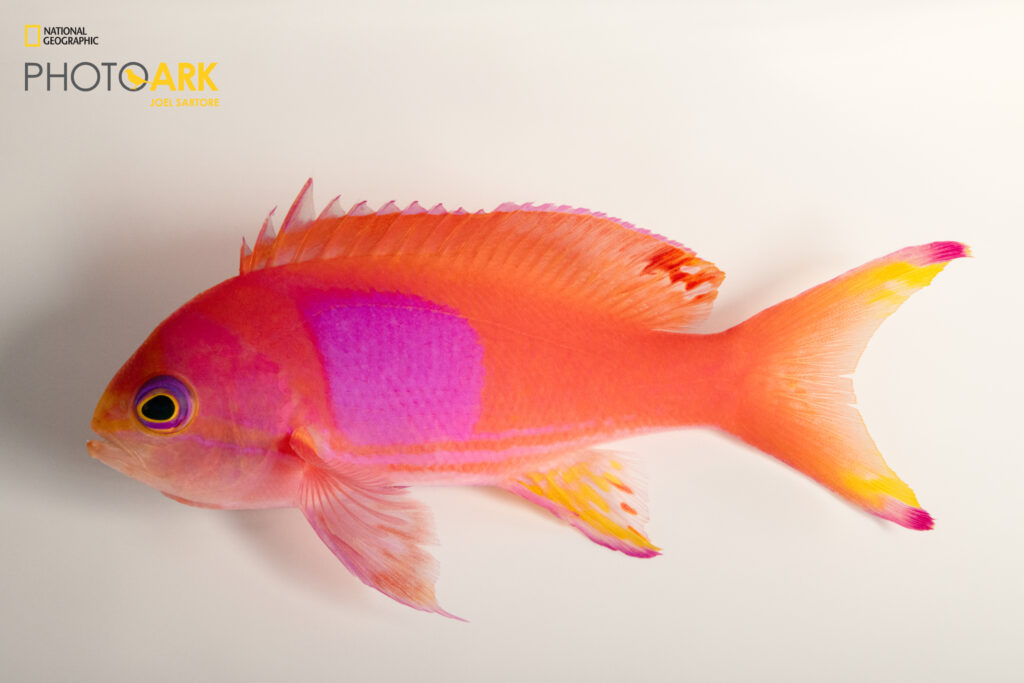
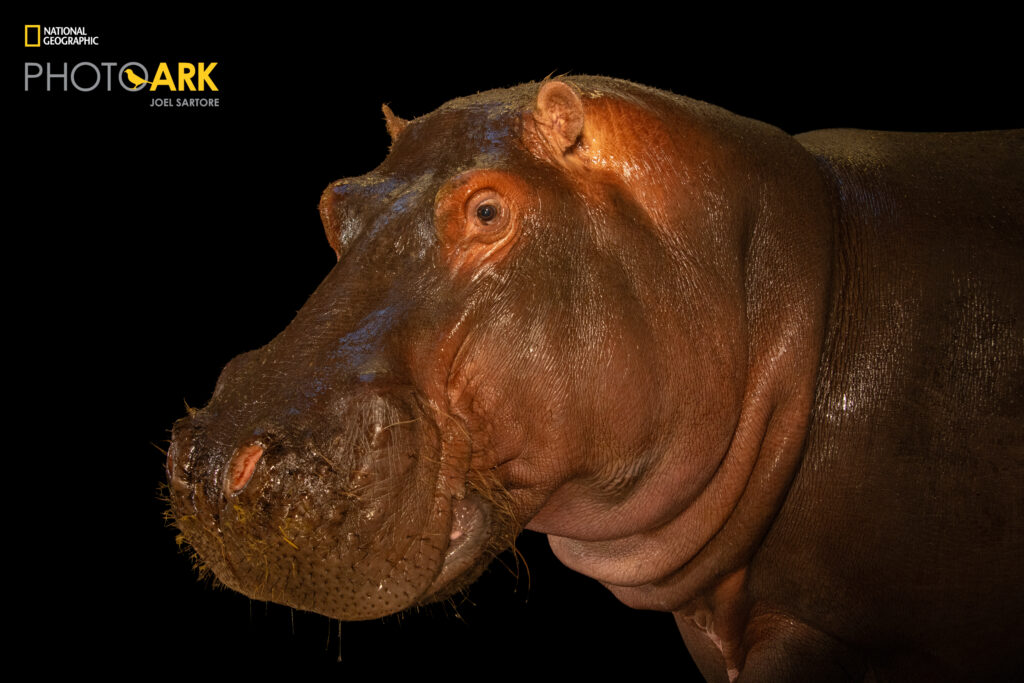
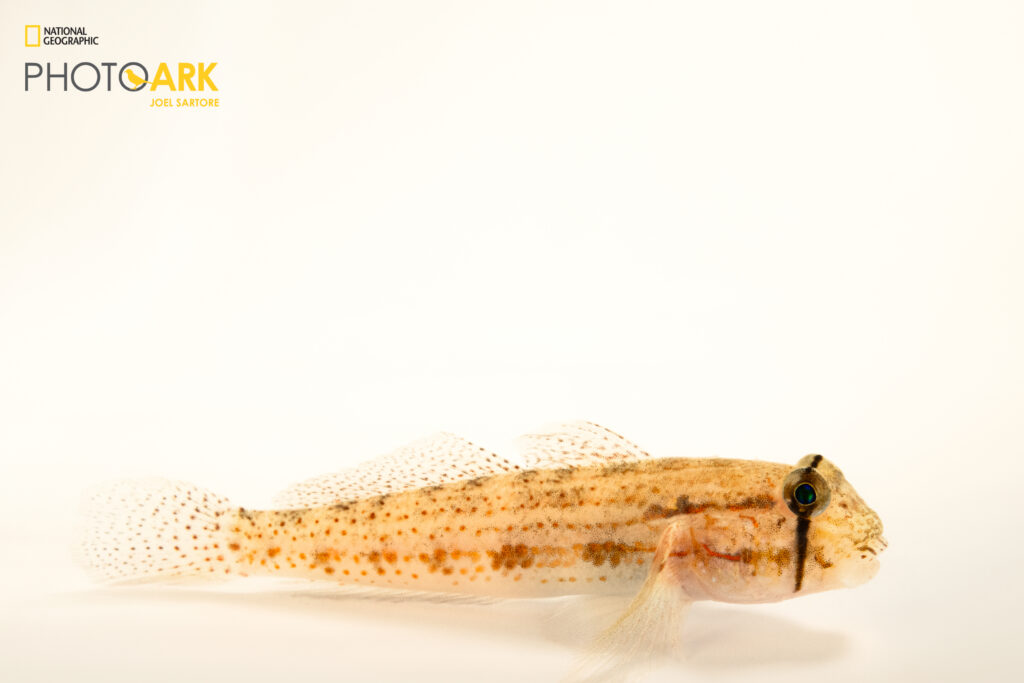
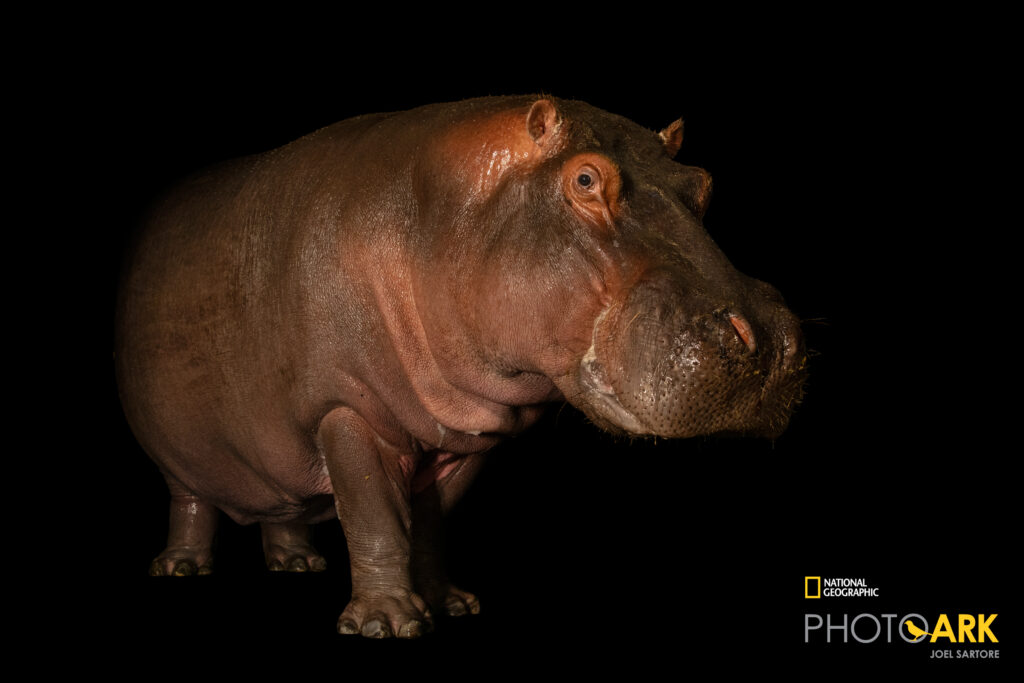
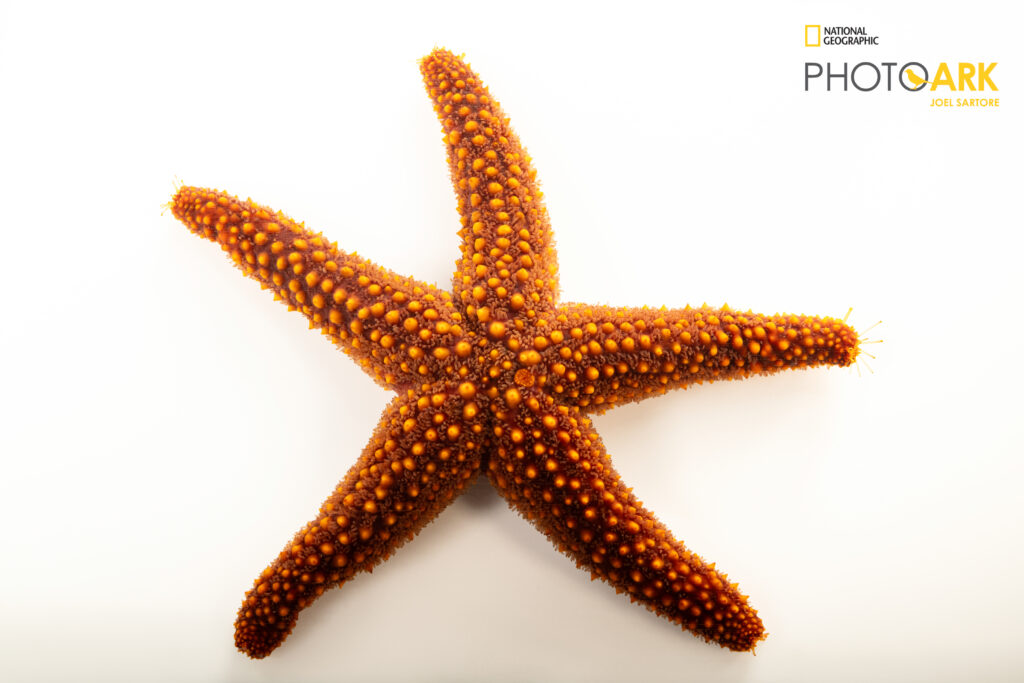
In an intersection of art and conservation, National Geographic Photographer Joel Sartore recently visited the Denver Zoo Conservation Alliance as part of his ambitious project, The Photo Ark. Sartore, who uses the power of photography to highlight the beauty and urgency of protecting at-risk species, has already captured more than 16,000 intimate portraits of animals as part of his mission to document the approximately 20,000 species living in zoos, aquariums, and wildlife sanctuaries around the globe.
Through his lens, Sartore aims to create a visual record of these species, many of which face the threat of extinction. His portraits are more than just stunning images; they are a call to action, designed to inspire people to engage in conservation efforts and support the protection of these remarkable animals. Denver Zoo Conservation Alliance shares Sartore’s commitment to conservation with a parallel mission: Inspiring Communities to Save Wildlife for Future Generations. The convergence of our two missions highlights a shared vision: to connect people with wildlife and foster a deep, lasting commitment to their protection.
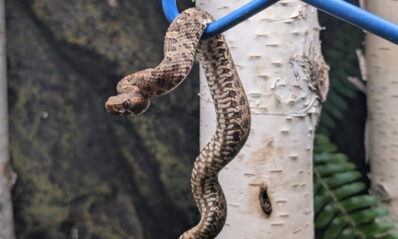
Sartore photographed several species, including the red spiny starfish, usambara bush viper, square spot fair basslet and—most notably—Mahali, our hippopotamus.
The Photo Ark’s portraits are not just images; they are potent symbols of the challenges facing wildlife today and a call to each of us to act before it’s too late. We are proud to support Sartore’s mission and to be a part of this global effort. By providing a platform for Sartore to capture the beauty of their resident species, we contribute the vital work of ensuring that future generations will have the chance to marvel at the same wildlife that we cherish every day, both in photos and reality.
Groucho, Bodhi, Billy, Jake, Duncan, and Baylor are not only a joy to our visitors but also play a crucial role in inspiring conservation efforts for their Endangered species both in zoos and in the wild.
Maura Davis, Curator of Large Mammals, shares insight into what it means to care for our special bachelor herd. Watch now.
Our boys support vital conservation and research efforts through the Association of Zoos and Aquariums’ (AZA) Species Survival Plan (SSP) and Saving Animals from Extinction (SAFE) Asian Elephant program. The goal of the SSP is to create the most genetically diverse assurance populations in human care. The SAFE program aims to enhance and assist conservation efforts within the 13 range countries by engaging communities, supporting the science of managing elephant endotheliotropic herpesvirus (EEHV), and developing educational materials.
We also support innovative research right here in Colorado. This 2023 Zoo Tales highlights the groundbreaking studies conducted with our bachelor herd. These research initiatives not only benefit the elephants in our care but also provide valuable insights that aid global conservation efforts.
Global Guardians: Helping Protect Elephants Around the World
Laos, once known as Lan Xang, the Land of a Million Elephants, now faces severe challenges with only about 400 wild elephants remaining due to habitat loss, human-elephant conflict, and illegal wildlife trade. The largest group is found in Nakai-Nam Theun National Protected Area, where more data is needed to protect this species and their habitats.
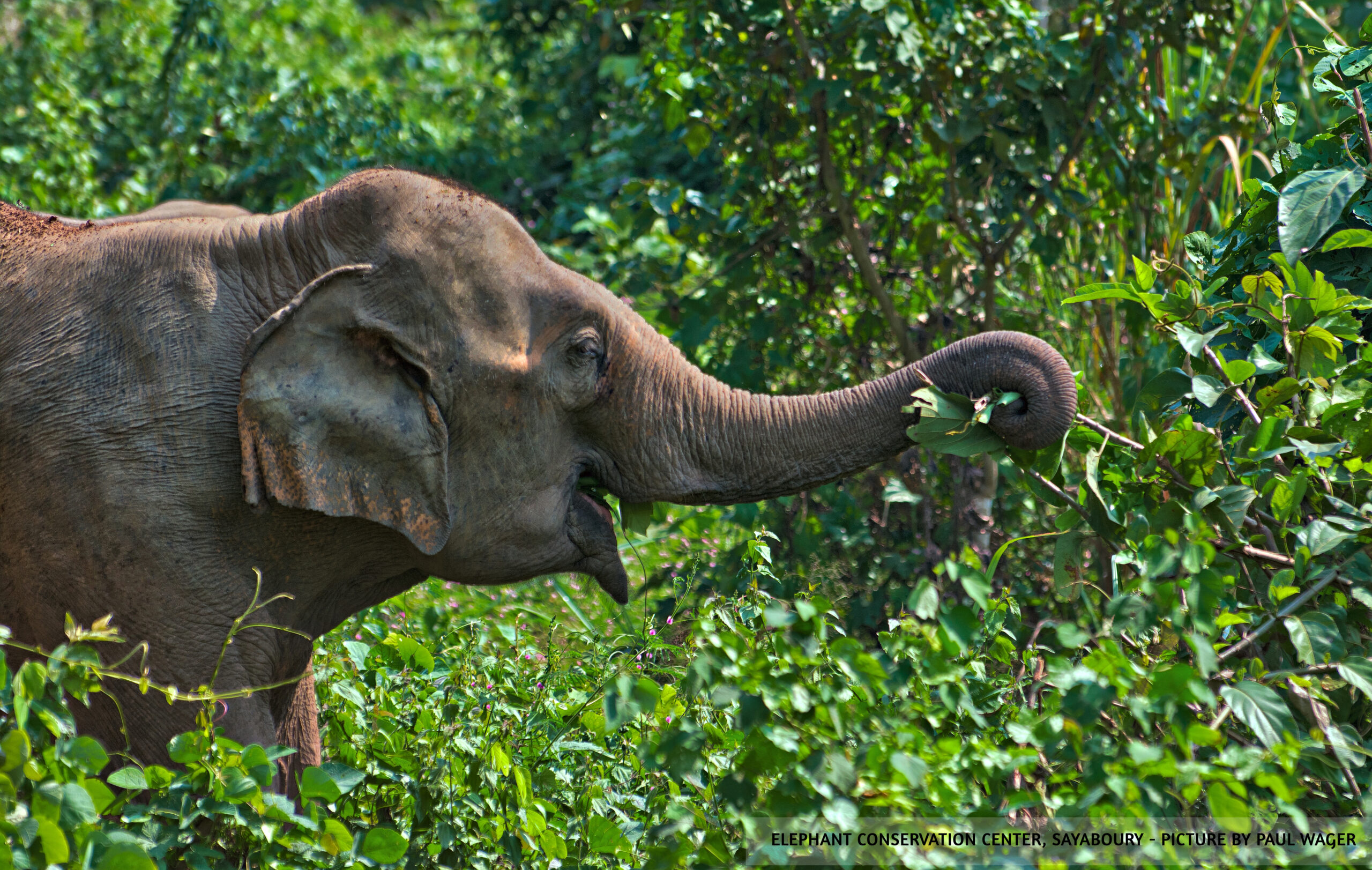
DZCA is proud to partner with Association Anoulak to study the Asian elephant population’s size, genetic diversity, and social dynamics. This research is crucial for informing Laos’ National Elephant Action Plan. We are also collaborating with the Elephant Conservation Center to support the education of a Lao zoological veterinarian and lab technician, providing access to specialized training not currently available in Laos.
In Sumatra, Indonesia, DZCA is working with Forum Konservai Leuser to protect the lowland forests that form the eastern part of the Leuser Ecosystem. Aceh province, at the island, is home to about 42% of the remaining population of Sumatran elephants, a Critically Endangered subspecies of the Asian elephant
Additionally, we are now a Conservation Partner of the International Union for the Conservation of Nature’s Asian Elephant Specialist Group. This global group of experts is dedicated to managing and protecting this species across the continent. Our ongoing research with our bachelor herd is shared with colleagues in the Association of Zoos and Aquariums and elephant conservation organizations worldwide.
Join the Cause: How You Can Help
Here are some ways YOU can support these amazing animals:
Shop Sustainably:
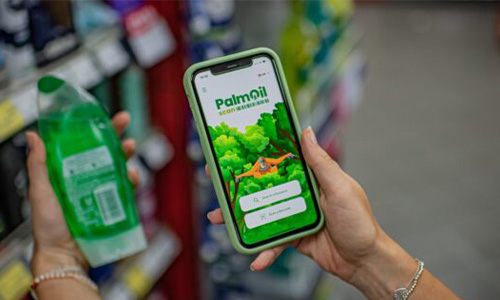
Purchase products made with certified sustainable palm oil. Use resources like the World Association of Zoos and Aquariums’ PalmOil Scan App or organizations like Roundtable on Sustainable Palm Oil (RSPO) and Palm Done Right to find sustainably sourced palm oil.
Support Conservation Efforts:
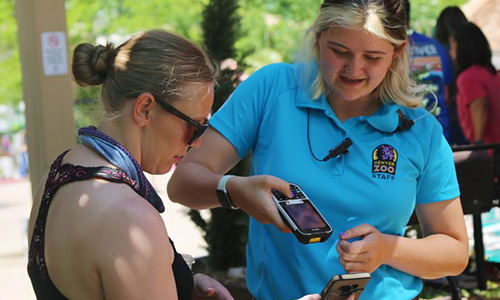
Visiting Denver Zoo Conservation Alliance and other AZA-accredited zoos helps support elephant conservation efforts. Your visit contributes to our work in Colorado and worldwide, helping to ensure the survival of Asian elephants for future generations.
Meet Our Bachelor Boys:
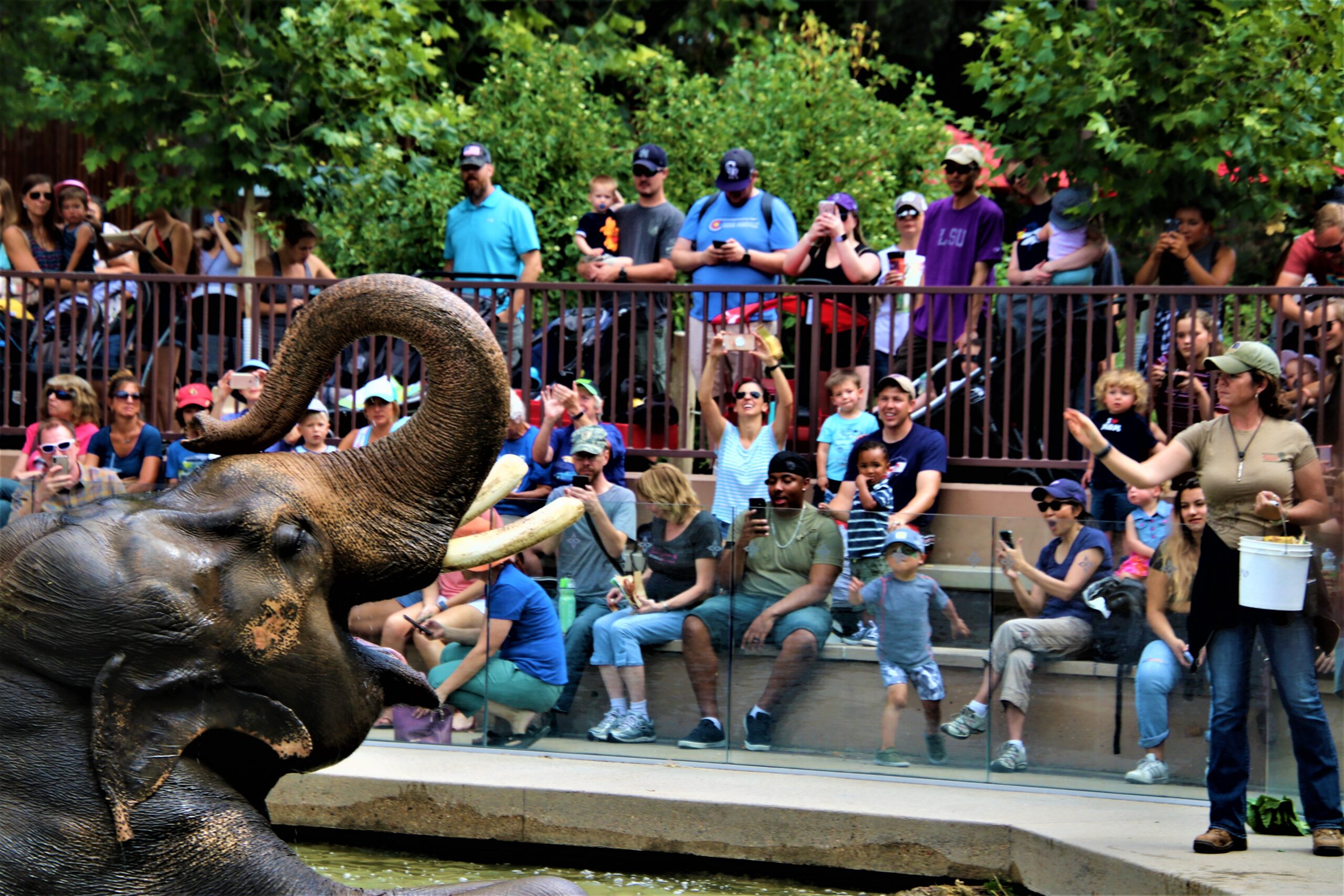
Attend a daily elephant demonstration at Toyota Elephant Passage to learn more about our elephants and the important role they play in conservation.
From our herd to yours, thank you for supporting Asian elephants and Denver Zoo Conservation Alliance!
Every visit, membership, and donation supports our wildlife conservation efforts locally and globally. Stay updated on our animal care and conservation work by following us on Facebook, Instagram, X, LinkedIn and TikTok.
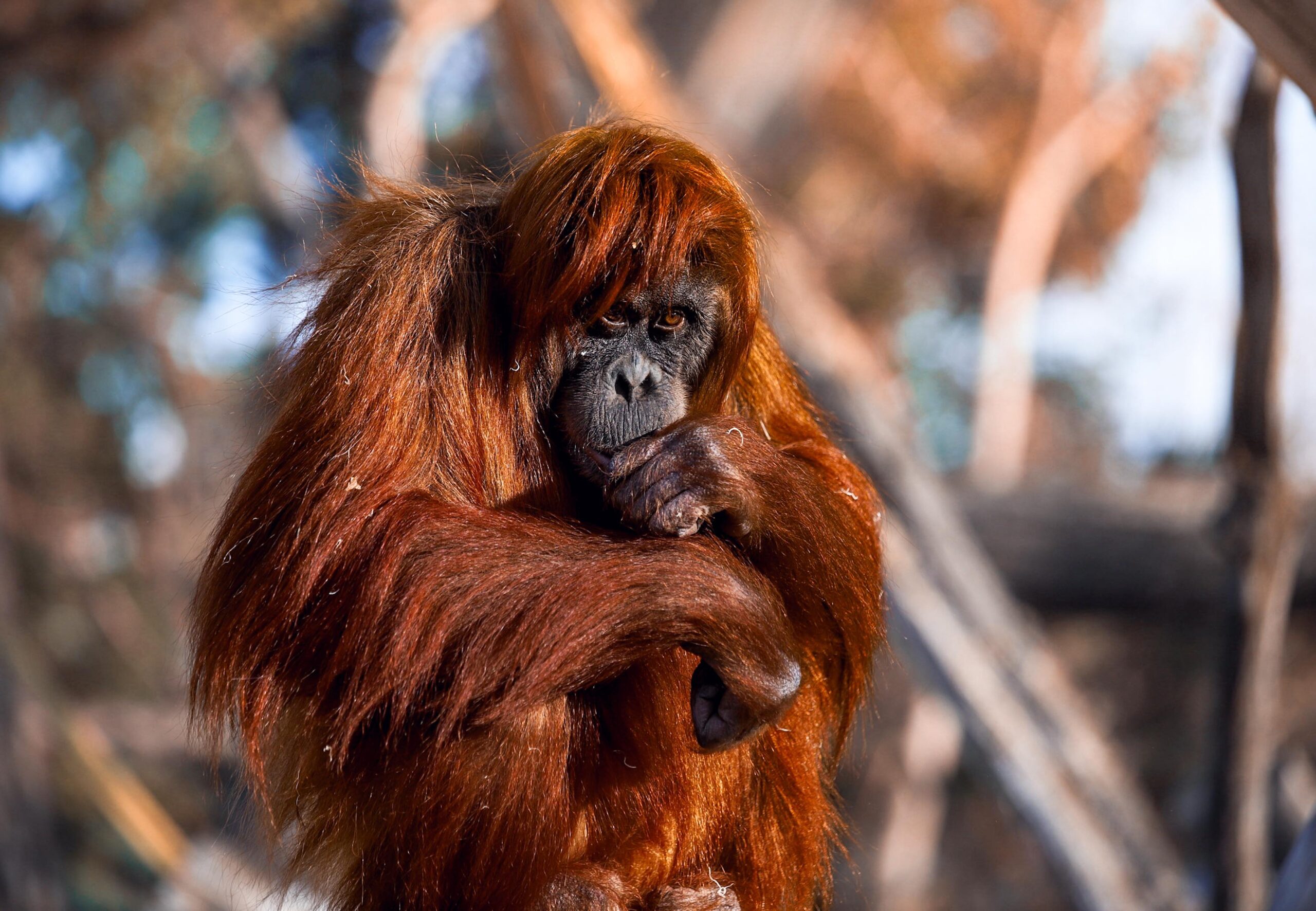
In June, Denver Zoo Conservation Alliance’s Veterinary Medicine team was joined by the hand and microvascular surgery team from Denver Health to perform surgeries on Hesty, a 14-year-old Sumatran orangutan. Hesty sustained injuries to her hands, feet, and elbows during an interaction with another orangutan, a normal part of this Critically Endangered species’ social relationships.
This collaboration combined veterinary and human medical expertise to provide Hesty with the best care possible. Dr. Spencer Kehoe, Clinical Veterinarian at DZCA, emphasized the importance of this cooperation highlighting how interdisciplinary efforts can lead to remarkable outcomes.
Thanks to the dedicated efforts of our Veterinary Medicine and Animal Care Teams, and the helping hands from Denver Health, Hesty is healing well and expected to make a full recovery. This success story underscores our commitment to #SavingWildlifeTogether.
Watch our interview with Dr. Spencer Kehoe to learn more about this unique operation and the importance of teamwork in wildlife conservation. 🧡
Be sure to follow Denver Zoo Conservation Alliance on Facebook, Twitter, Instagram, LinkedIn and TikTok for more stories about our excellent animal care!
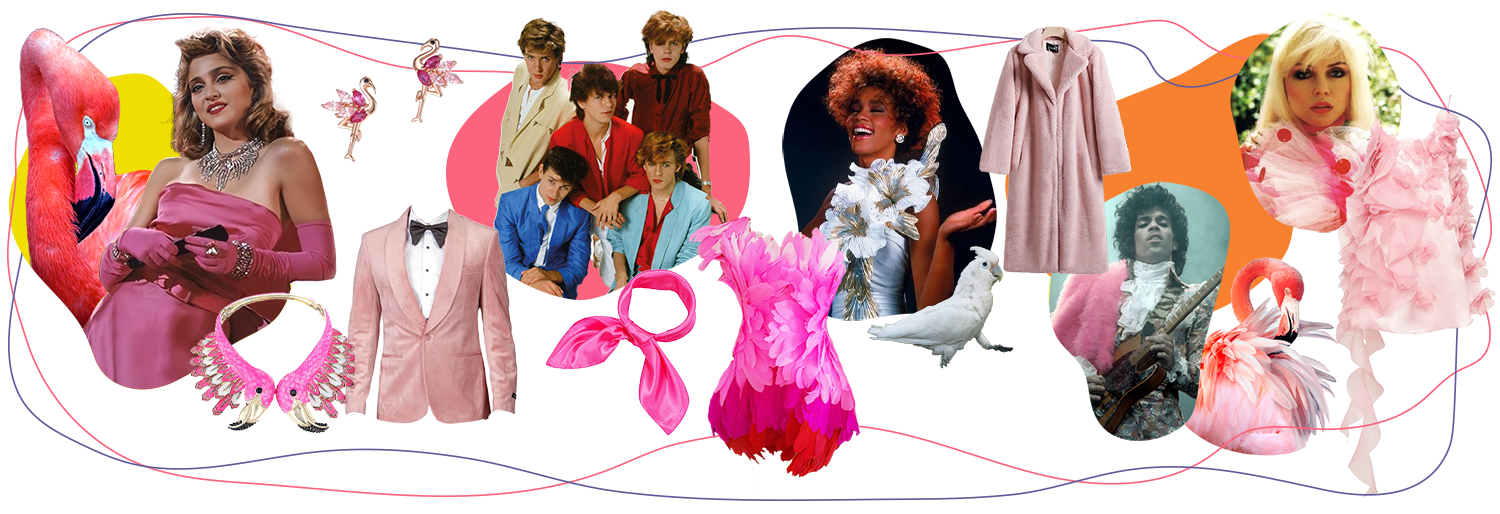
Summer is in full swing and September is just around the bend, which means it’s time to start thinking about how you’ll show up to our fifth annual Flock Party. DZCA’s very own mini music fest finale, will transport you back in time and serve up all the nostalgic 80s dance tunes. With 6 Million Dollar Band as our headliner and Giraffe Meadows as your dance floor, you’re invited to let your inner Material Girl and rock royalty come to life!
If the patterns and colors of the natural world aren’t exactly what speak to you when it comes to fashion, we invite you to embrace the 80s style and take inspiration from the folks topping the charts back when we had a movie cowboy in the White House.
Material Girl
She may have been channeling Marilyn’s Gentlemen Prefer Blondes moment, but Madonna definitely made it her own—and so should you! Pick a pretty strapless frock in perfect flamingo pink, pile on the sparkle…and you’re ready to flock and roll!
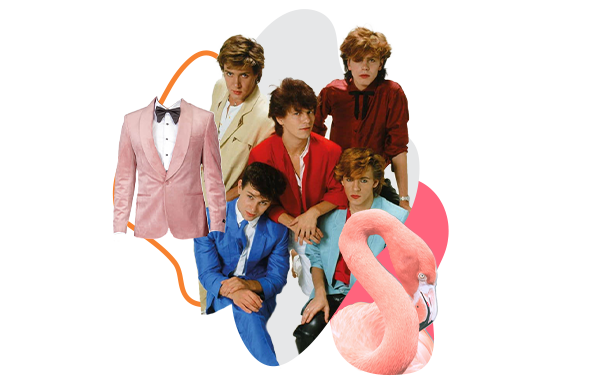
The five tasty pop tarts that comprised Birmingham boy-band Duran Duran were already making waves when their Rio video transported a whole generation to Antigua. Bring the luxury yacht vibes with these modern dupes of the original Antony Price pastels.
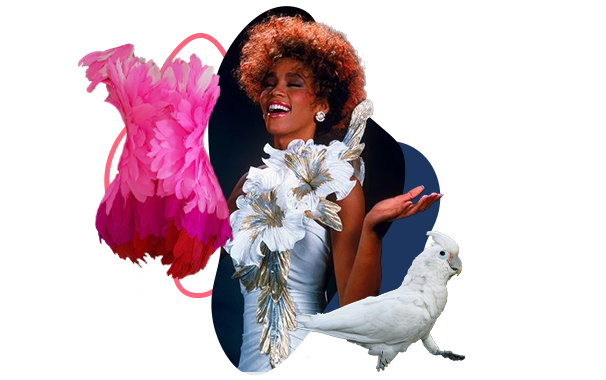
With a blended background in fashion and pop, model-turned-musician Whitney turned heads no matter what she wore. Channel her show-stopping swan song look with fresh takes on this Eugene Alexander sheath—worn again by Sarah Jessica Parker, 20 years later.
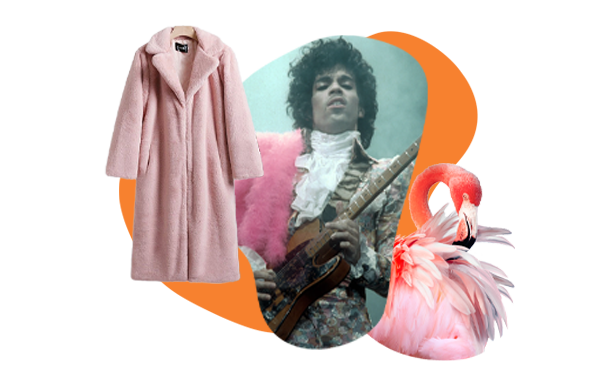
His Royal Highness Prince Rogers Nelson may have topped out at 5’2”, but his sense of style was miles above the fray! Shroud yourself in mystery with candy colors, bold shoulders and fluffy feathers—and by all means, don’t forget those lacy accents.
Fashion illustrator Elle Powell will be joining us once again for flash portraits! Meet us in Wildlife Plaza to have your Flock Party ‘fit immortalized in pencil and paint. Portraits are first-come, first-served and are included with your Flock Party admission.
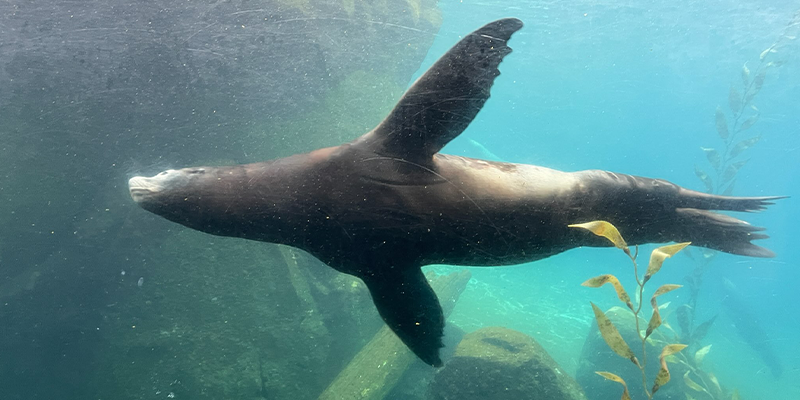
If you’ve visited Denver Zoo Conservation Alliance lately, or even been in our general vicinity, you may have noticed something was missing—the loud and energetic barks, growls and grunts of California sea lions. For years, they’ve been one of the most popular—and noisiest—animals on our 80-acre campus, delighting guests and members with their torpedo-like agility underwater and intelligence and BIG personalities ashore.
But since last September, their habitat in Northern Shores has gone quiet and our raft of sea lions—Nick, Maverick, Gunnison, Luci and Ady—have moved on to temporary homes at other facilities accredited by the Association of Zoos and Aquariums while we build them a new habitat in Northern Shores. When it opens next year, and the animals return, their home will include a new salt-water system, a new building with larger interior pools, a resurface and refresh of the outdoor pool and deck surfaces, and an upgraded underwater viewing area. In the meantime, take a look at the updates we received from a few of the sea lions from their temporary homes!
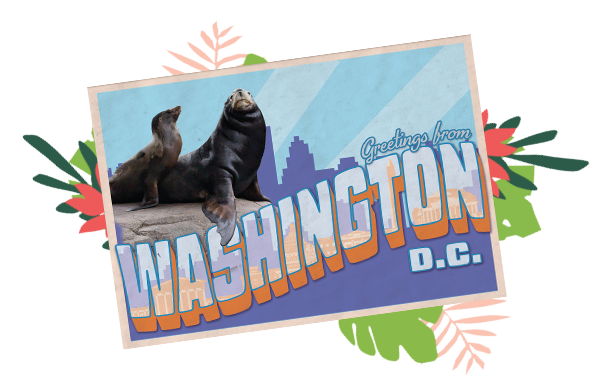
Greetings from Smithsonian National Zoo! If Northern Shores has seemed a little quiet lately, that’s because I’ve been HERE, singing the song of my people in in the Smithsonian’s sea lion pool! As a Californian living in Denver, I was worried about fitting in here in DC. But as it turns out, two of my roomies, Summer and Ronin, are from the Golden State, too—and we were all rescued as pups by the Pacific Marine Mammal Center. While of course I miss my home at Denver Zoo Conservation Alliance, I’m getting along great with the Smithsonian locals…especially Eugene. He’s technically a pelican, but he’s my go-to guy when I’m not sunbathing or entertaining the ladies! He’s taught me some great fishing techniques that I can’t wait to share when I return.
LUCI & ADY
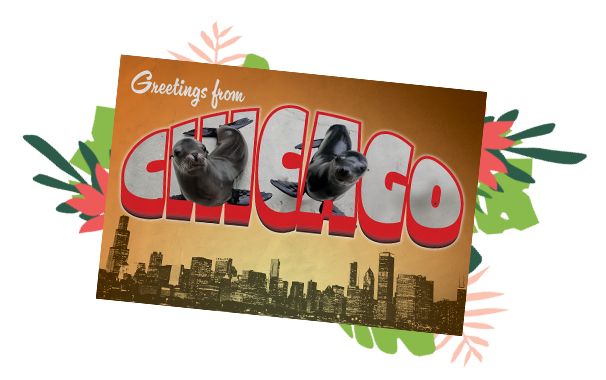
Hello! Ady here, checking in from Brookfield Zoo where my mom Luci and I are vacationing while our habitat is under renovation. People keep asking how we can stand to be away from my dad, Nick—but mom really seems to be enjoying her quiet time! I do miss my daddy-daughter snuggles, though, and can’t wait until the family is back together.
MAVERICK
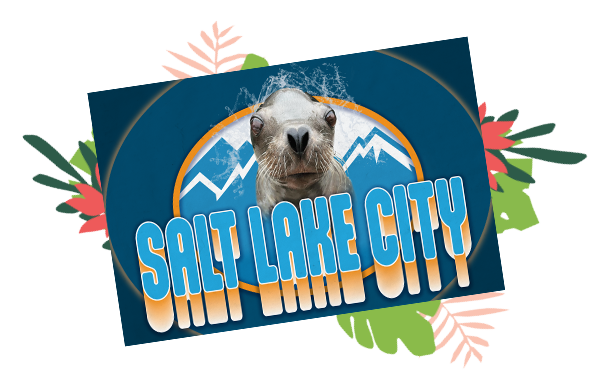
Hey, Denver friends! I’ve been chillin’ in SLC at Hogle Zoo for the past few months, and it’s been amazing. There’s actually ANOTHER guy named Maverick here, and we are the bestest bros now and having a great time together. As much fun as I’m having in Utah, I’m also SUPER excited to see my Denver raft again, in our amazing new habitat.
As a non-profit wildlife conservation organization, Denver Zoo Conservation Alliance relies on our community of guests, members and donors to help us stay on the cutting edge of habitat design. You can help welcome Nick, Maverick, Gunnison, Luci and Ady to an incredible new home by MAKING A DONATION of any amount!
In 2021, we launched a new initiative aimed at boosting the state’s population of boreal toads, a species listed as endangered in Colorado and New Mexico, in collaboration with Colorado Parks and Wildlife (CPW). Starting with 95 adult toads from CPW’s Native Aquatic Species Restoration Facility in Alamosa, our amphibian experts spent more than six months preparing them for breeding and nurturing their offspring leading up to their release into the wild.
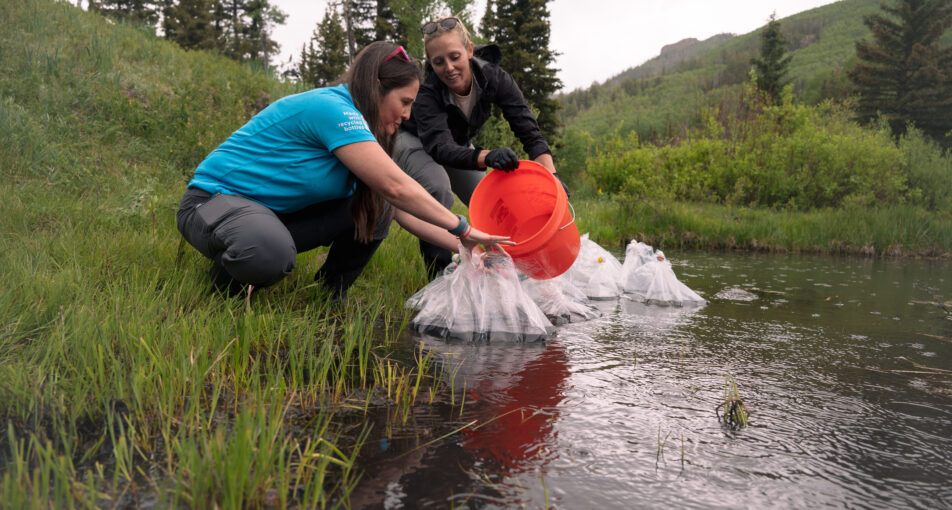
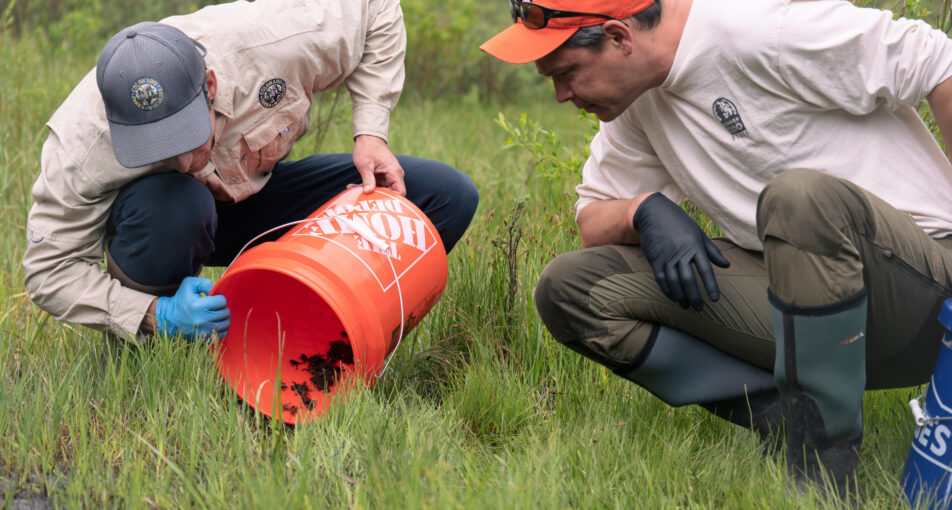
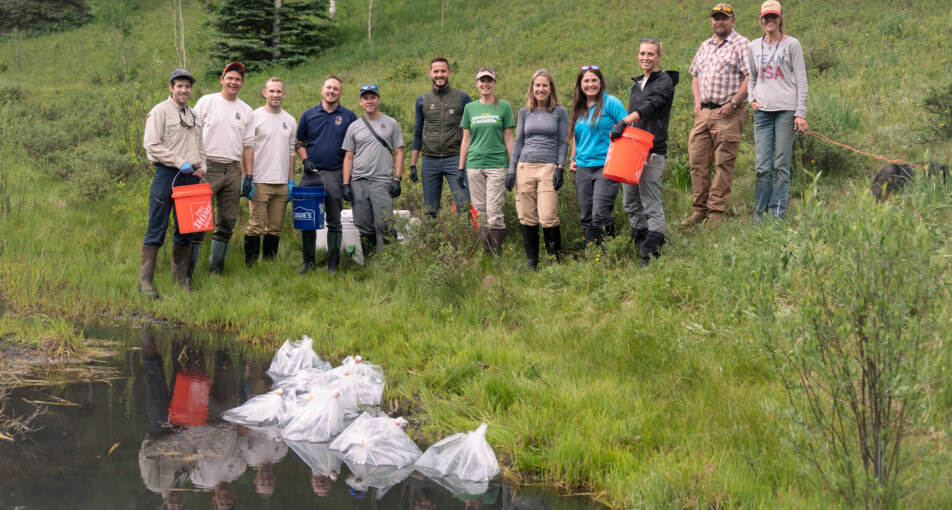
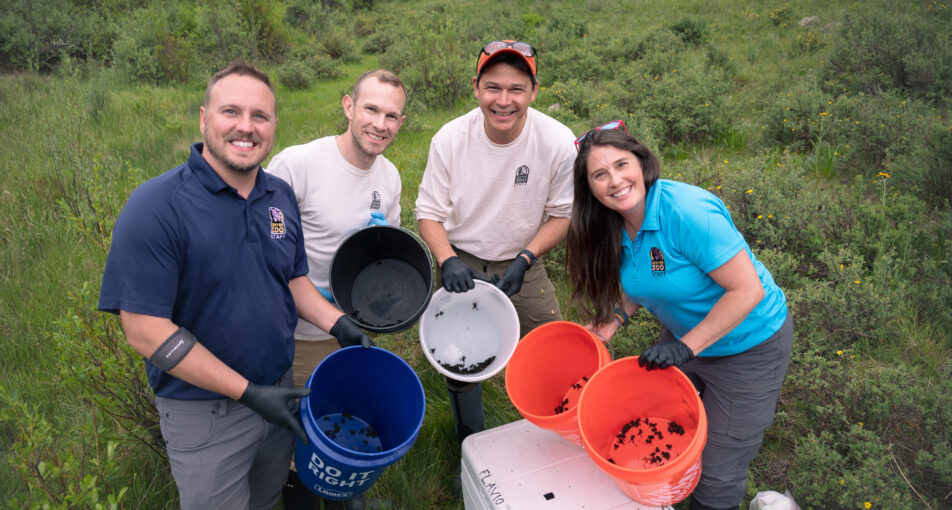
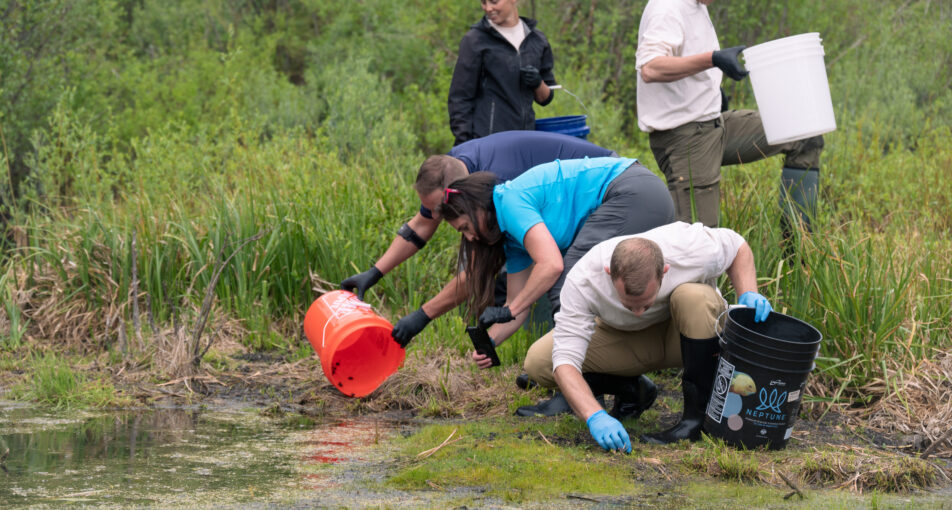
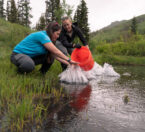
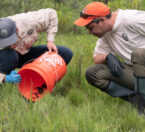
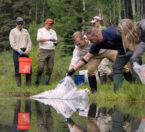
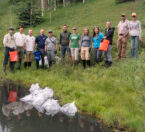
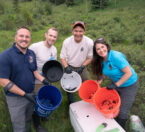
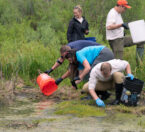
And on June 20, teams from both organizations trekked to wetlands near Creede, Colo. to release more than 2,200 boreal toad tadpoles that will hopefully host an established population of rare amphibians. This was the second successful breeding and release, including reintroducing more than 600 tadpoles in Gunnison National Forest in 2022.
This successful breeding and release effort was the result of a tremendous amount of hard work and planning by our Animal Care and Field Conservation teams, and our partners at Colorado Parks and Wildlife. We’re committed to continuing this effort with CPW for many years to come and doing our part to make sure this important species remains part of Colorado’s ecosystem for future generations.
Brian Aucone,
DZCA Chief Conservation Office
Once common in montane habitats between 8,000-12,000 feet in the Southern Rocky Mountains, the boreal toad has experienced dramatic population declines over the past two decades. The decline appears to be related to habitat loss and primarily infection by the chytrid fungus, which can infect most of the world’s 7,000 amphibian species and is linked to major population declines and extinctions globally. Officials estimate there may be as few as 800 wild adult toads left in Colorado.
“It was a very special day to join our partners from Denver Zoo Conservation Alliance to release boreal toad tadpoles that DZCA produced at their facility,” said Daniel Cammack, Southwest Region native aquatic species biologist with CPW. “Consistent propagation of boreal toads in captivity has been the major missing link in our conservation efforts. In the past, we relied solely on collecting fertilized eggs from wild populations to grow into tadpoles at the hatchery, and stock at translocation sites. Thanks to their expertise and hard work, we are able to increase our capacity and get more toads out at more locations. This is a critical partnership that we hope will translate to an increase in populations of this unique amphibian across our state.”
We have been conserving endangered and critically endangered amphibian species for more than 18 years. In 2018, DZCA became the first zoo in the Northern Hemisphere to successfully breed critically endangered Lake Titicaca frogs and has since provided more than 250 healthy frogs to zoos and aquariums in the U.S. and Europe. In 2021, we successfully bred critically endangered Panamanian golden frogs as part of the Association of Zoos and Aquarium’s Species Survival Plan. And in 2022, DZCA and CPW released the first brood—more than 600 tadpoles—from the joint initiative to support boreal toads in a remote wetland in Gunnison National Forest.
CPW has devoted significant resources for more than 30 years toward boreal toad research and continues to explore ways to recover the species. Specifically, CPW researchers focus on developing methodologies for reintroducing toads in historically occupied habitats, detecting chytrid fungus in the wild, marking and identifying individual toads, and improving breeding success at the Native Aquatic Species Restoration Facility, which plays a critical role in the state’s efforts to restore populations of boreal toads.
We estimate that it will take many years to bring the species back to a level where it is secure in the Southern Rocky Mountains, and expect the collaboration to be a multi-year program. You can help by joining our Boreal Toad Conservation Team where you’ll monitor the species’ high-country habitat to help us understand the health of current populations and determine suitable locations for future reintroduction of toads bred at DZCA’s campus in Denver!



 Español