

 Español
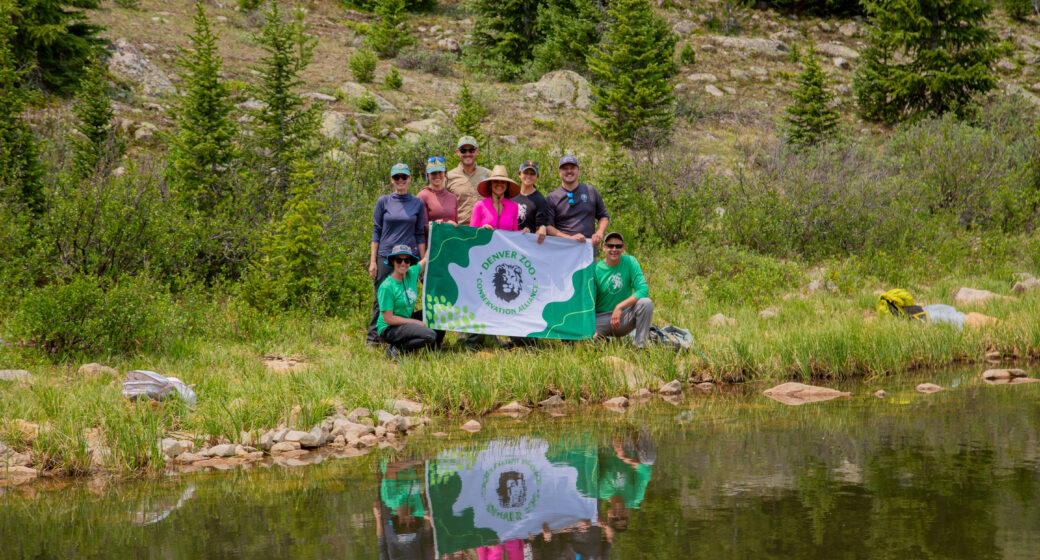
It’s official! Team Toad is back in action, and this year’s release was our biggest yet.
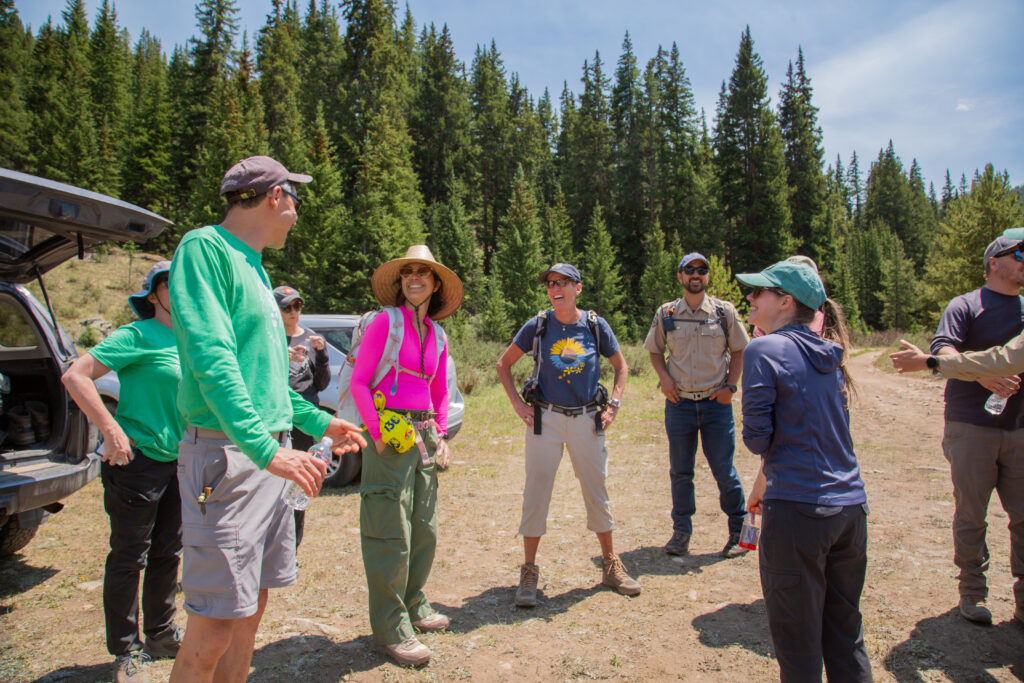
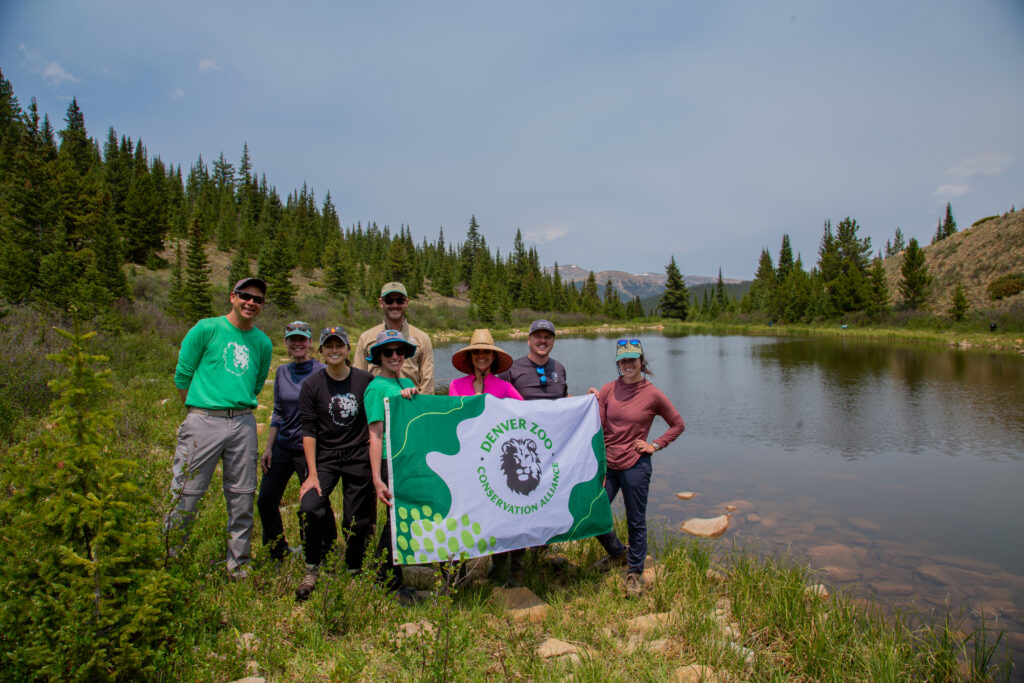
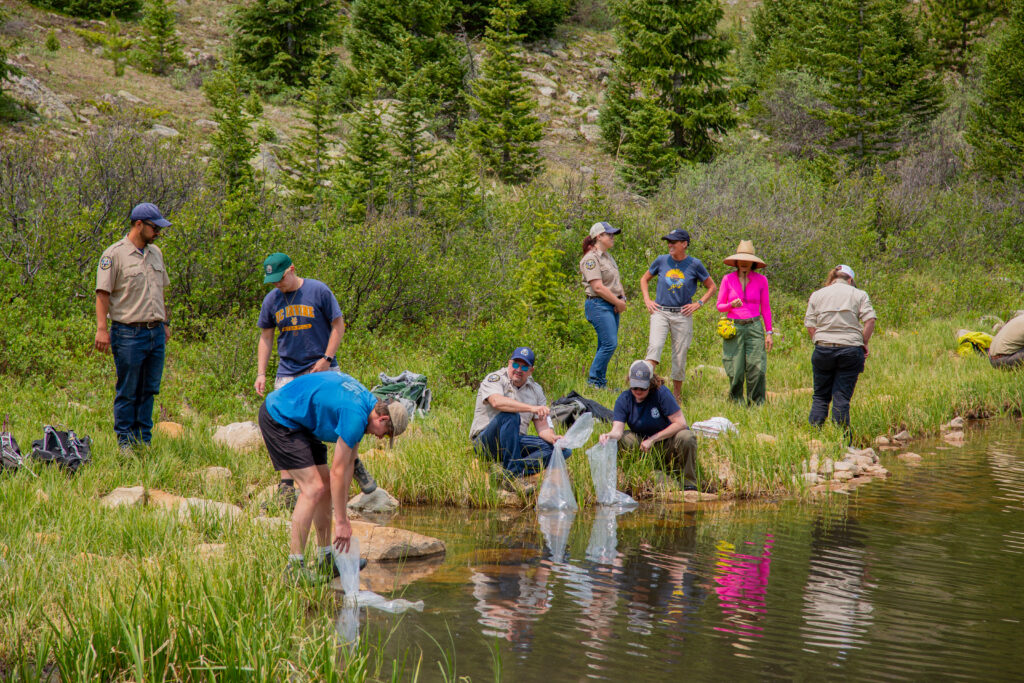
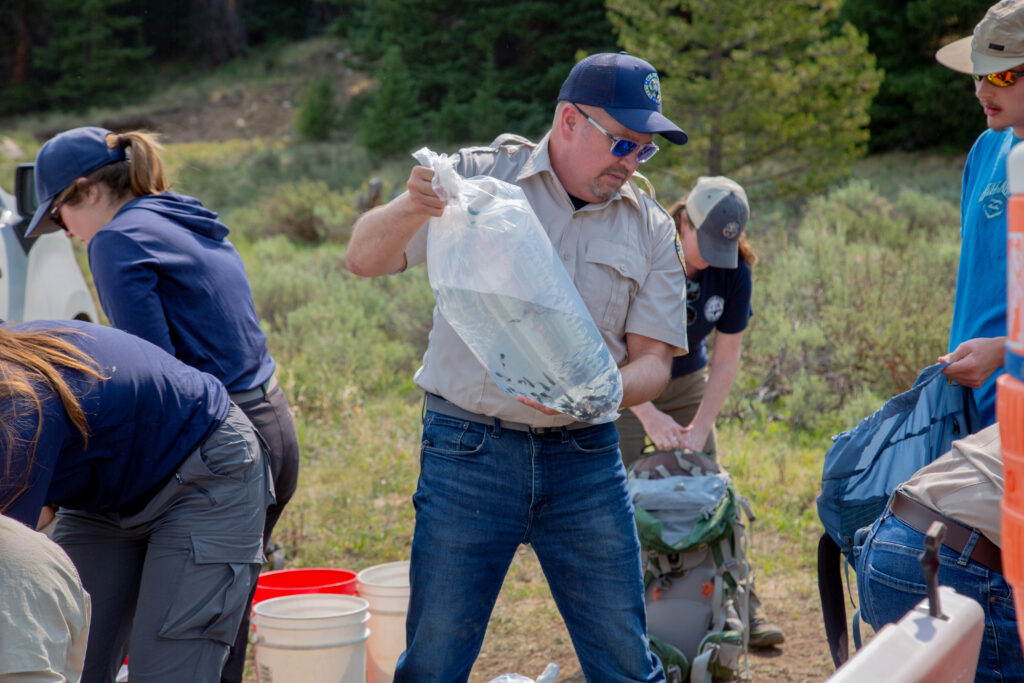
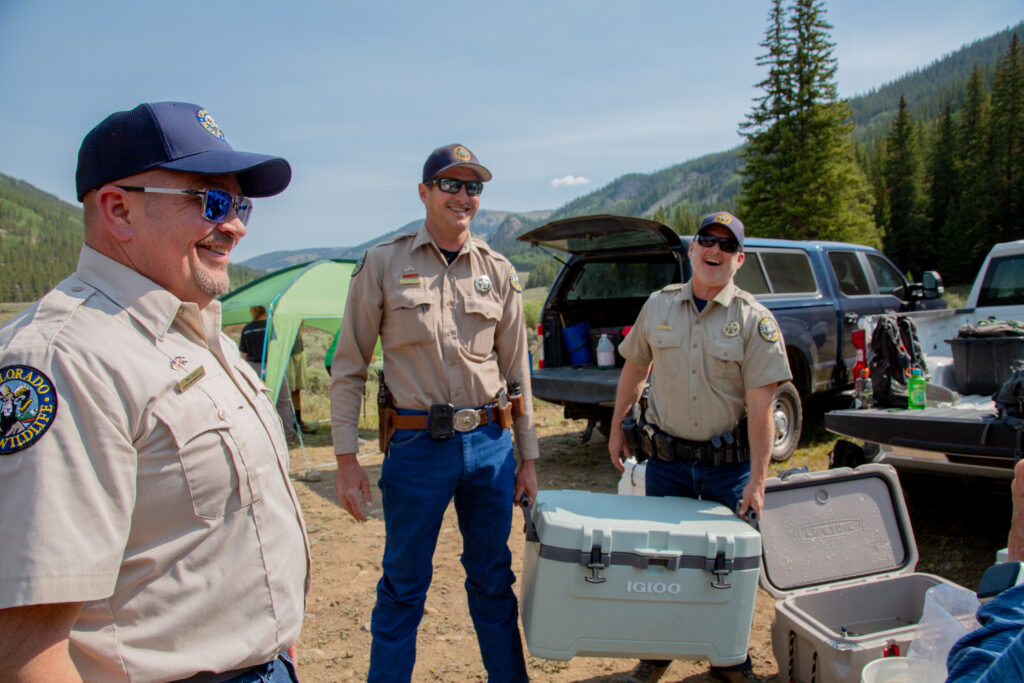
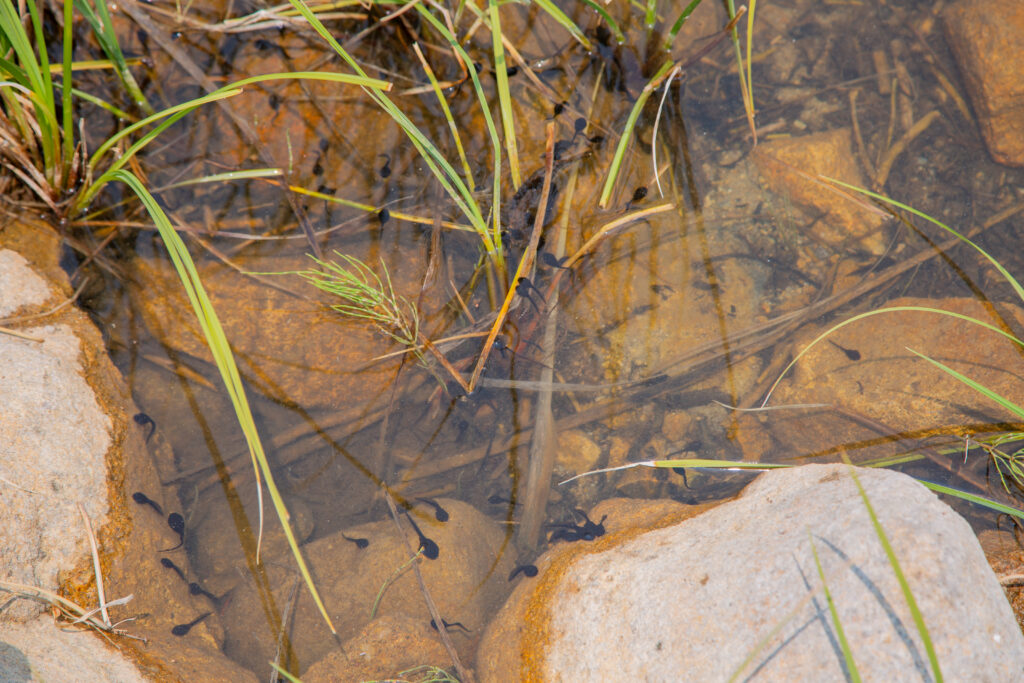
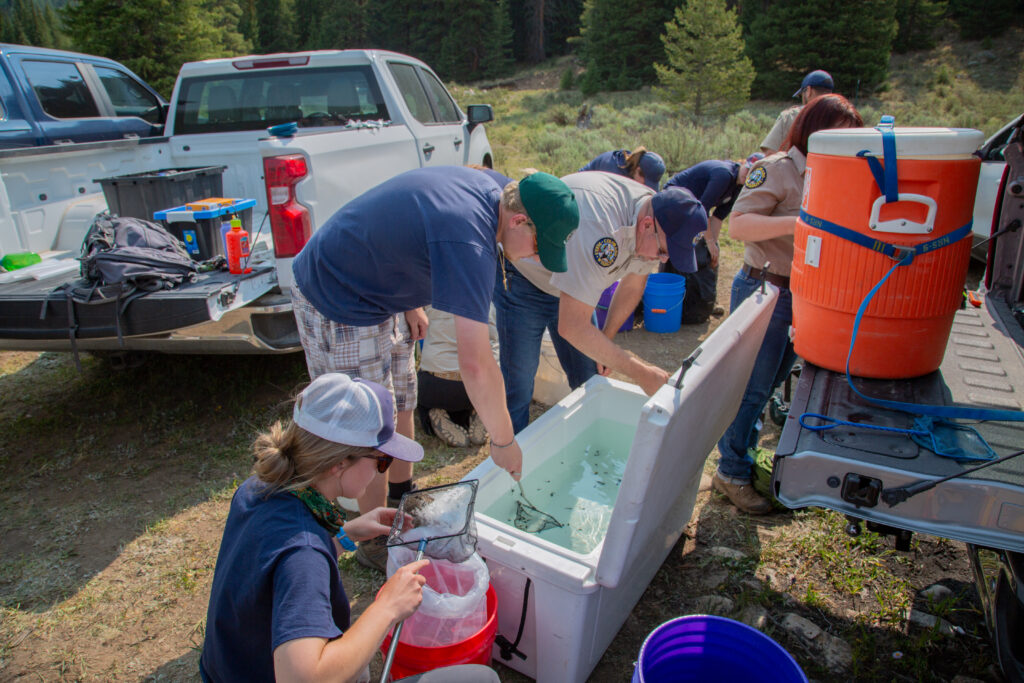
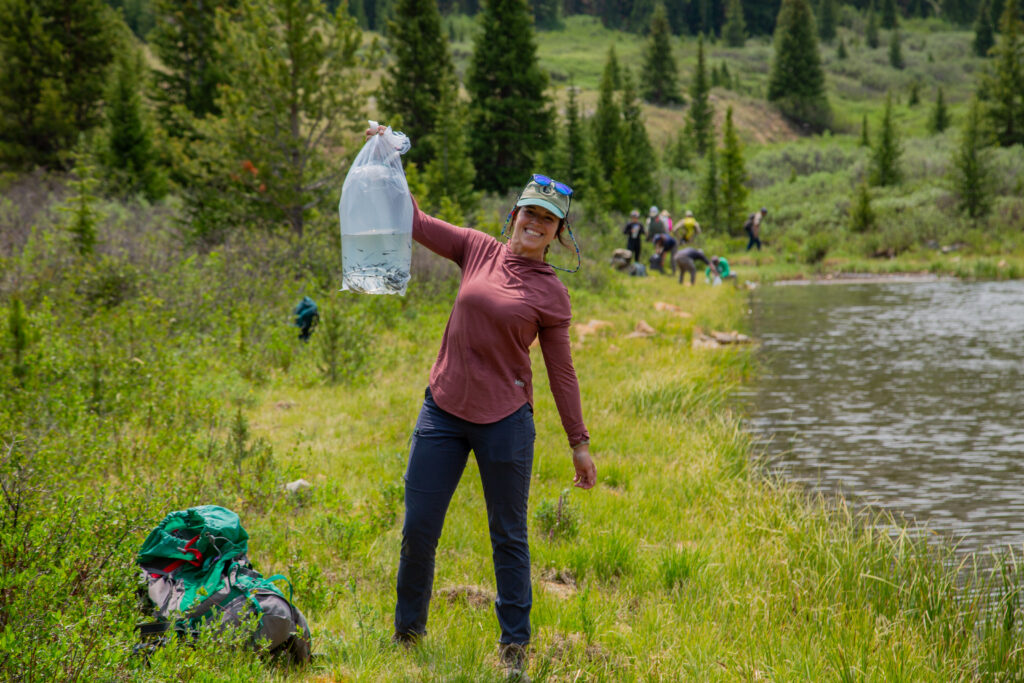
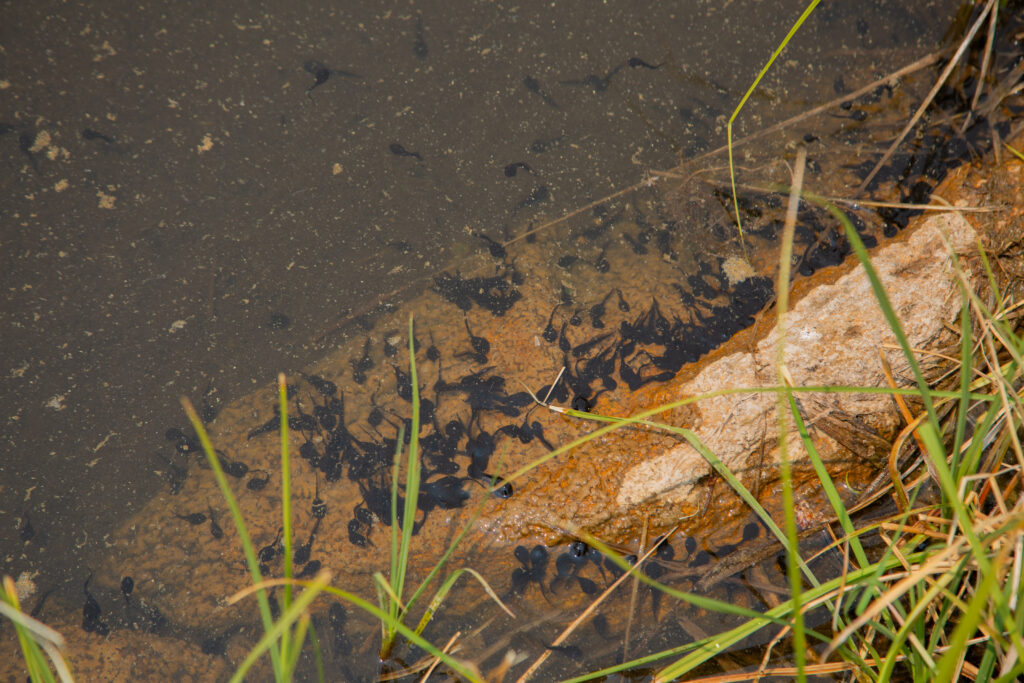
For the fourth year, Denver Zoo Conservation Alliance partnered with Colorado Parks and Wildlife (CPW) Amphibian and Aquatic Species experts and Colorado State University (CSU) students to release State-Endangered boreal toads into high-alpine habitat in the Rocky Mountains. On a recent morning near Leadville, Colorado, a team of 27 volunteers, including 9 DZCA employees and leadership, CPW staff and leadership, and CSU Pueblo students, made their way into the mountains to release over 3,500 tadpoles into a carefully selected alpine lake habitat. That’s more than any previous release in our program’s history.
Why the Boreal Toad Needs Our Help
Once widespread across Colorado’s high-elevation wetlands, the boreal toad has been in serious decline since the 1980s. The primary culprit? Chytrid fungus, a deadly skin disease that has devastated amphibian populations worldwide. Combined with habitat loss and the increasing pressures of rising temperatures, boreal toads face an uncertain future in the Southern Rockies. Colorado listed the boreal toad as a State Endangered Species in 1993, and today, fewer than 800 adults are estimated to remain in the wild in Colorado.
Boreal toads are uniquely vulnerable. They require high-alpine aquatic habitats like beaver ponds, wet meadows, slow streams, and alpine lakes above 8,000 feet, that are increasingly threatened by warming temperatures, habitat destruction, and the ongoing spread of chytrid fungus. As an indicator species, the health of their populations tells us something important about the health of Colorado’s mountain ecosystems as a whole.
A Growing Program, A Record-Breaking Release
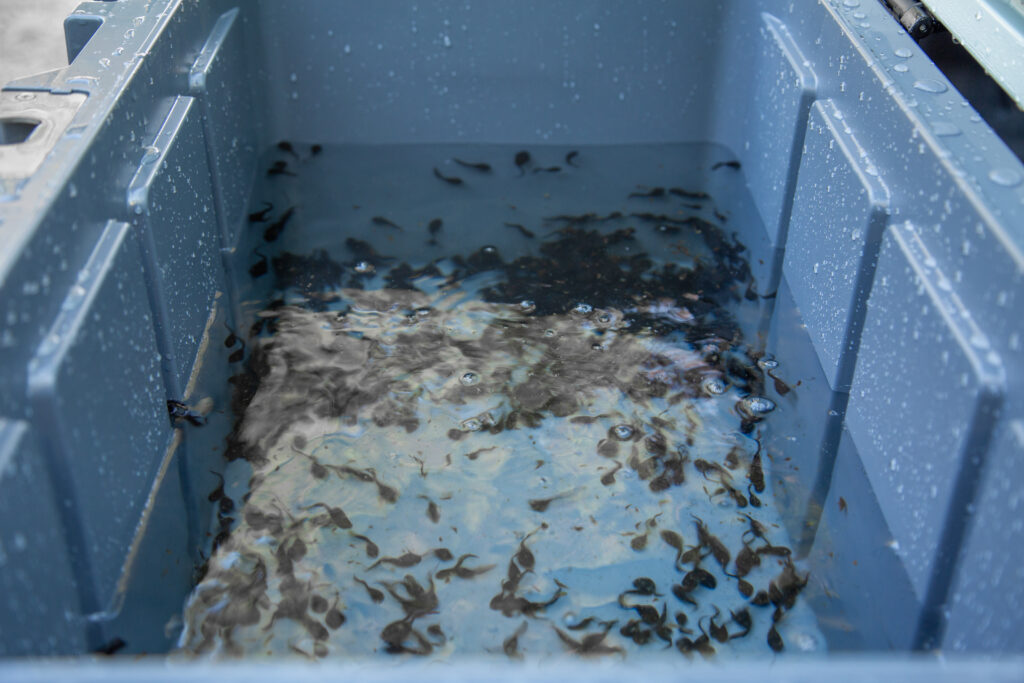
What started in 2021 as a partnership between DZCA and CPW has grown into one of Colorado’s most meaningful amphibian conservation efforts. Each year, our breeding colony at the Zoo produces tadpoles that are carefully raised and prepared for reintroduction into the wild. This year, that colony produced over 3,500 tadpoles, a significant increase from previous years and a testament to the dedication of our animal care and veterinary teams.
The preparation for the release at the Leadville site included extensive field work, a 2-year land survey, and habitat preparation between CPW, the Arkansas Basin Toad Team, and the Bureau of Land Management. The combination of expert site selection, rigorous breeding protocols, and the sheer enthusiasm of 27 volunteers made this year’s release a milestone moment for the program.
This release is also part of a larger cross-functional effort across the state. Colorado’s newly completed State Wildlife Action Plan (SWAP) — a comprehensive guide for restoring Colorado’s wildlife and the habitats that support healthy populations — recognizes the boreal toad as a priority species. DZCA’s Recovery and Reintroduction program is one of many collaborative efforts across organizations statewide working toward the goals outlined in the SWAP.
What Comes Next
The work doesn’t end with the release. Our Rocky Mountains Field Conservation team, Community scientists, and CPW biologists will monitor the Leadville site and others in the state to track the progress of tadpoles as they grow, develop, and hopefully establish thriving new populations. Last year’s releases near Creede gave us reason to be optimistic: adult boreal toads were spotted occupying the habitat, wallowing in mud holes and making themselves at home. We’re hopeful for similar signs of success at this year’s site.
Join Team Toad
The boreal toad’s recovery depends on more than just tadpole releases. It depends on people. Passionate community scientists who are willing to lace up their hiking boots and head into Colorado’s high country to help monitor wetland habitats and search for these hard-to-find amphibians.
You don’t need a science degree to join Team Toad. If you love wildlife, enjoy the outdoors, and want to make a real difference for one of Colorado’s most vulnerable native species, we’d be toad-ally thrilled to have you.
🐸 Learn more and sign up!