Saving Mongolia for the Future

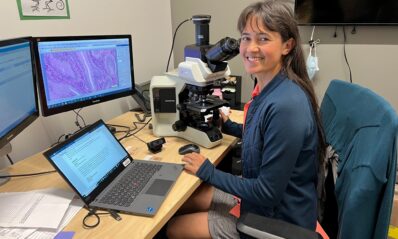
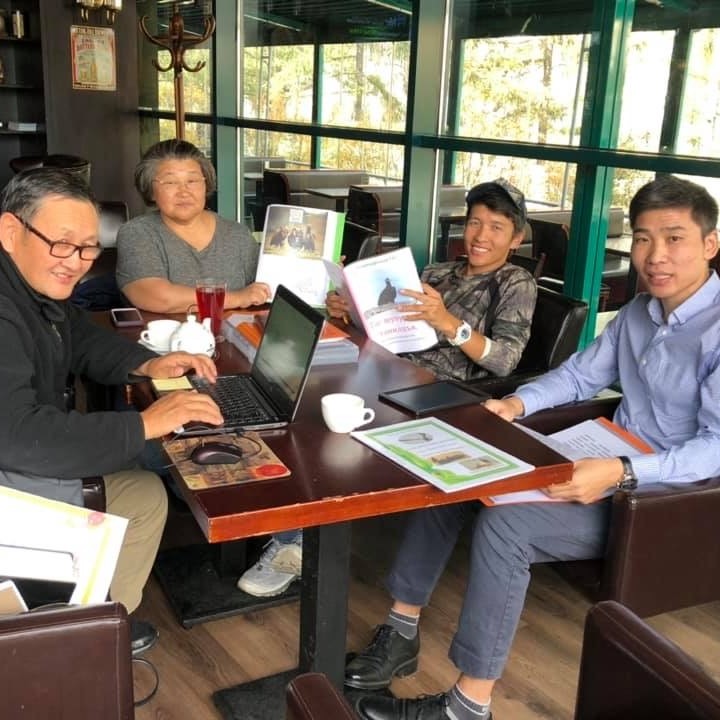
  Some of Denver Zoo’s most important work happens thousands of miles away at the Ikh Nart Nature Reserve in Mongolia. We’ve run a field conservation program there for more than two decades, and the work we do to preserve this unique ecosystem wouldn’t be possible without our partners. This year’s Denver Zoological Foundation Conservation Award winner, Selenge Tuvdendorj, is a critical part of that partnership. Selenge is the Executive Director of Mongolia Conservation Coalition (MCC), DZ’s partner at Ikh Nart Nature Reserve. She was selected for her significant contribution to the success of the reserve and to the protection of Mongolian wildlife. Her ability to inspire and train the next generation of conservationists is motivating – she is a true conservation leader within her community. Since 1997, Denver Zoo has given out its annual Denver Zoological Foundation Conservation Award to someone who has made a significant contribution to wildlife conservation. In addition to the award. these unsung heroes of wildlife conservation are also given $5,000 to be put toward wildlife conservation. During a recent trip to Mongolia, Denver Zoo Mongolia Program Director, Gana Wingard, had the opportunity to interview Selenge on her past 20 years working in wildlife conservation:

How did you get involved in wildlife conservation?

At the end of the 80’s, beginning of the 90’s, I left my job in the factory after the transition process in my country. [Mongolia, which had been influenced by the Soviets, underwent a Democratic Revolution in 1990 which dramatically changed the country’s economy.] I used to work for a clothing company. Since I studied in Germany, I speak German, and I started working as a translator for a nature conservation project funded by the German government. In 2009, I was asked if I would like to work for this project. Since then – I work for MCC, Ikh Nart project and nature conservation. All these years have been like an on-the-job training for me.

What is your current role with Denver Zoo and Mongolia Conservation Coalition?

My role is to help to implement Denver Zoo funded wildlife projects locally. I am doing my best to bring the Denver Zoo Mission – Secure a better world for animals through human understanding – to the ground here in Mongolia.

 What is your favorite part of working in wildlife conservation?

Of course, nature conservation. I come from a family of scientists and my favorite part is to support future Mongolian nature scientists. I would like them to become dedicated scientists who, in the near future, will use their powerful words for the conservation of Mongolia. I want them to become not only scientists, but also committed educators. This way we can gain more and more young people who can dedicate their heart and soul to protect nature conservation. I want to say THANK YOU VERY MUCH to Denver Zoological Foundation, to Earthwatch Institute, and to all other donors with your financial and professional support we can protect our nature for the future.

What is your hope the future of conservation in Mongolia?

My hope is our students, scientists and their contributions for today and in the future…  I hope that one day they will become conservation professionals who can define / influence conservation policies and be strong enough to implement them. Denver Zoo admires, appreciates and thanks Selenge for her tireless efforts to inspire communities to save wildlife for future generations.
Supporting the Gorilla SSP

Denver Zoo works collaboratively with other organizations accredited by the Association of Zoos and Aquariums to support Species Survival Plans (SSP)-breeding programs that ensure healthy, genetically-diverse populations of nearly 500 mostly threatened and endangered species. This important effort means we often move animals to other zoos to be paired with new mates, or live in a facility that is best suited for their needs and stage in life.

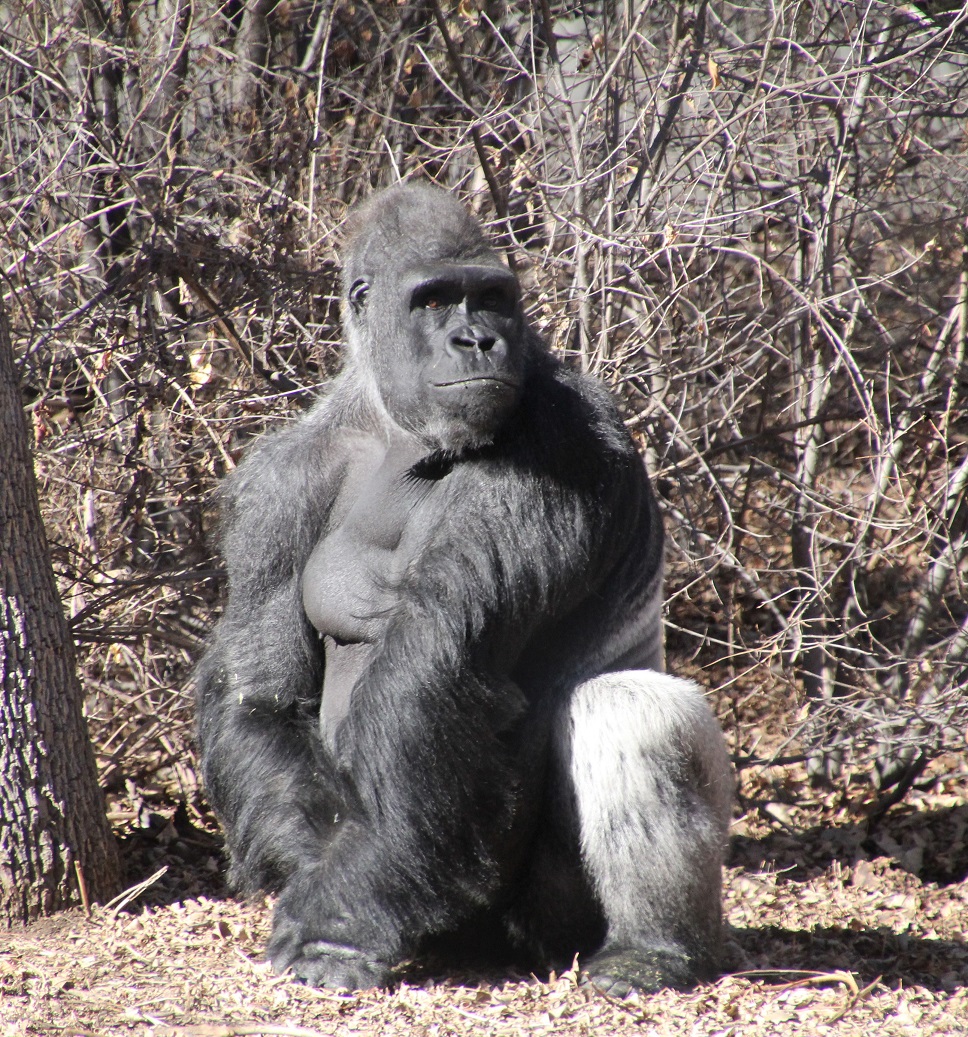
In support of the Gorilla SSP, we will soon welcome a new troop of Western lowland gorillas from another AZA-accredited zoo. These three males, who are too old to stay with their family unit, will form an all-male troop until they can find a family group of their own-just as they would do in the wild. This can be a challenging situation for some zoos, however our Great Apes habitat combined with our staff experience and expertise will allow us to provide exceptional care for the new bachelor group. They are currently scheduled to arrive in early spring.

In the meantime, to accommodate the incoming troop, both of our resident bachelors, Charlie, 23, and Curtis, 24, will move to Kansas City Zoo in March. While we’ll miss Charlie and Curtis, we’re excited for their new adventure, and for our community to make connections with a new bachelor group and learn more about the species and how they can help. Guests are encouraged to visit and wish them farewell before they move to their new home.

Western lowland gorillas are listed as critically endangered by the International Union for the Conservation of Nature. Their primary threats include logging, agriculture and poaching through their native ranges in Nigeria, Cameroon, Central African Republic, Equatorial Guinea, Gabon and Congo. AZA-accredited zoos help the species through the Gorilla SSP, which is an increasingly important insurance policy for the species as wild populations decline in the face of mounting threats, and countless other animals by contributing more than $231 million in support of conservation projects every year.

Be sure to follow us on Facebook, Twitter and Instagram for the most up-to-date information about our incoming group of gorillas and the rest of the 3,000 animals that call Denver Zoo home!

Keeping Up With Kea

By Jessica Meehan, Bird Keeper

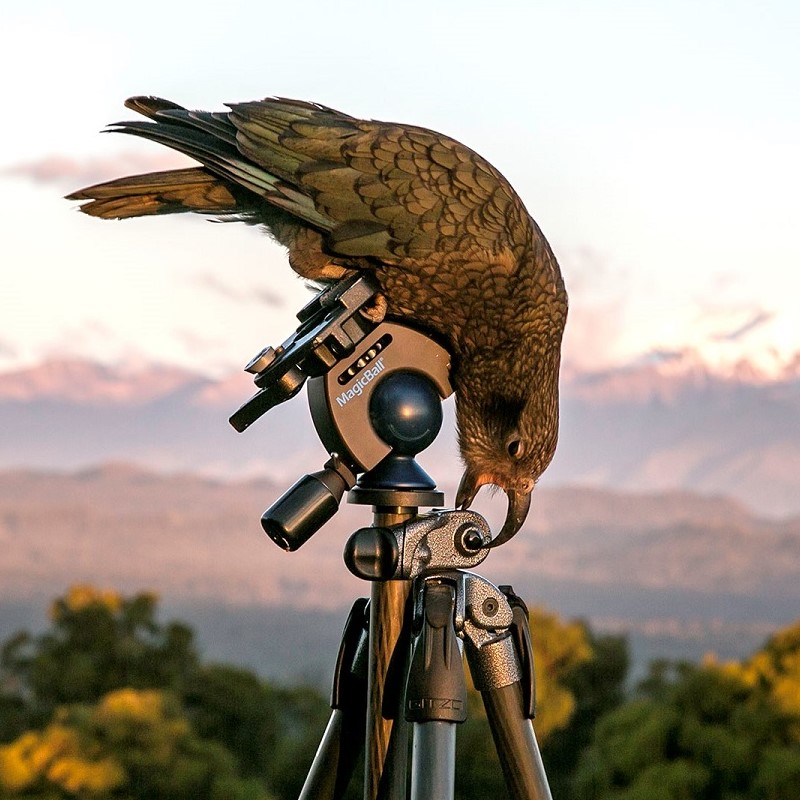
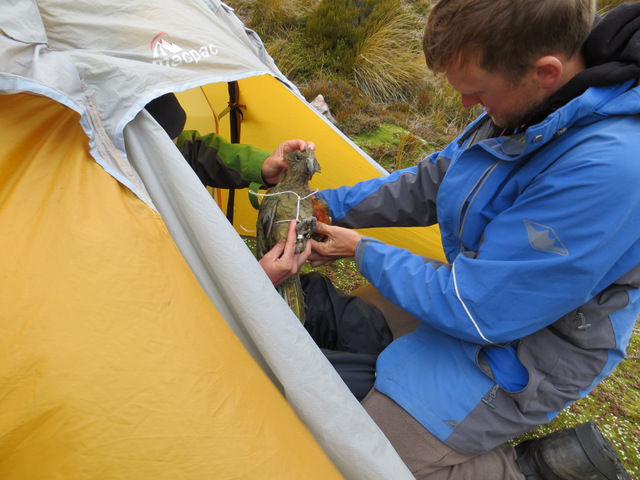
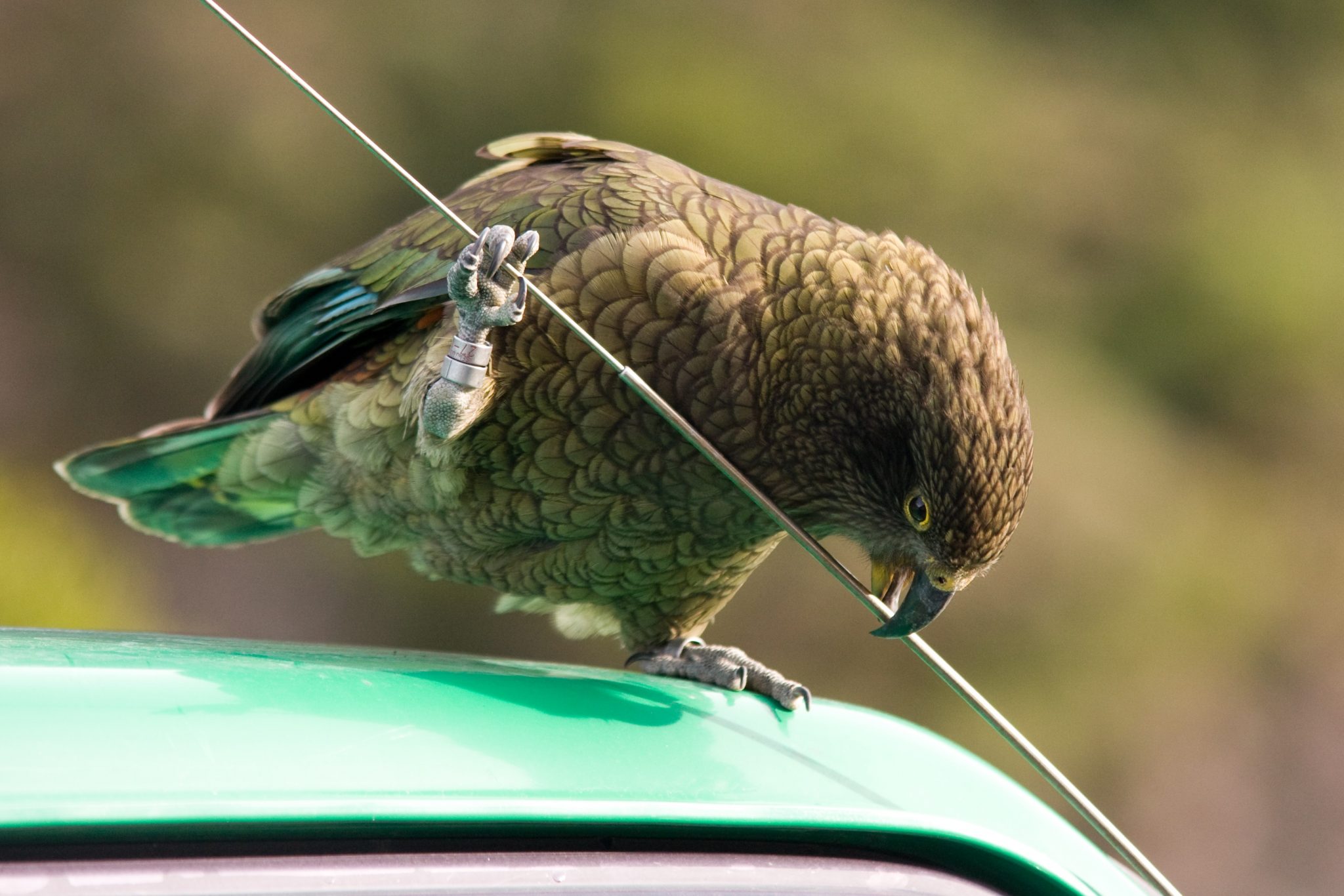
  At Denver Zoo, our passion for animals extends well beyond our 80-acre campus. We have five field conservation sites on four continents, but we also support Zoo staff through grants that allow them to travel the world and work on projects they’re passionate about. For me, that passion project is the New Zealand-based Kea Conservation Trust (KCT). Kea hold a special place in my heart-from the ones we have here at the Zoo to their wild counterparts, which need our help. Denver Zoo started supporting the KCT in 2018, purchasing nine radio transmitters that were attached to birds during the January 2019 summer population surveys. These radio transmitters are designed especially for kea and fit onto their backs, allowing them to be tracked from the air and by land. These nifty transmitters indicate a bird’s location and whether she is nesting. This allows researchers to follow up during the breeding season to find and check the nests, install cameras to monitor them, and record the success or failure of the breeding attempt. The KCT fitted nine females with transmitters and has been following up on them over the last year.

Photo by: Becky Muir

Photo by: Becky Muir While breeding is an important part of getting kea numbers up in the wild, they still face another obstacle: their own insatiable curiosity. Kea are experts at play, destruction, puzzle-solving, and creative foraging, both here and in the wild. Kea are known to damage vehicles and other property, steal from tourists and even chew on buildings! This last habit has caused an unusual problem for them-they love the sweet, soft taste of lead nails and flashing they find on buildings and many birds are showing signs of lead poisoning. The KCT has been working to test the blood lead levels of all kea that are trapped for banding and monitoring so they can understand the extent of the problem, and birds with toxic levels of lead can be rehabilitated by local veterinarians.

Photo by: Andrius Pasukonis

Photo by: Andrius Pasukonis In February, Denver Zoo is sending me to New Zealand to join in those important lead testing efforts, with additional support from our local Rocky Mountain chapter of AAZK (American Association of Zookeepers). Zookeepers are often great candidates to join in field conservation projects because of our years of experience working closely with animals, and our passion for saving their wild counterparts.  Denver Zoo’s small grant program has a rich history of providing opportunities to walk the talk when it comes to conservation of the animals we care so much about.  Click here for details on other small grant funded projects! I can’t wait to get to work, and share this experience with the Denver Zoo community, so make sure to keep a close eye on our Facebook, Twitter and  Instagram for updates! Photos by: Becky Muir, Mary Shee and Andrius Pasukonis

If You Musth Know

By Maura Davis, Elephant Care Expert

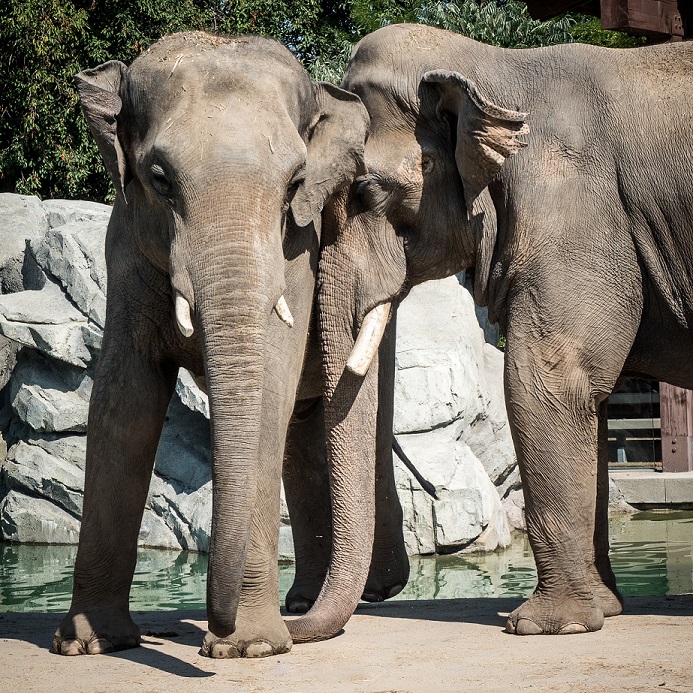
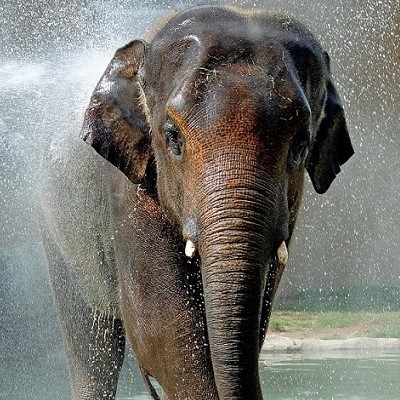
If you come to Toyota Elephant Passage, you might see anywhere from one to five of our Asian male elephants together in a given yard. Jake and Chuck might be sparring in one yard while Billy and Bodhi forage in another. Every day brings a new combination for our boys, which is just as fun for their care team to watch as it is for them to socialize. As amazing as it is to watch these boys interact, socializing Asian bull (male) elephants is relatively new, and we’re learning more and more about the intricate social dynamics of this animal every day.

Three’s Company

In December of 2016, two years before we welcomed Jake and Chuck, the Toyota Elephant Passage care team started the process of developing a bachelor group. We worked with Billy (8 years old at the time) and Bodhi (12 years old at the time) to become the first two introduced to one another. We were pleased to see how their relationship blossomed and decided to add another bull to the mix. Just a few short weeks later Groucho (46 years old at the time) joined the group under the watchful eye of nearly every person on the elephant care team. All the boys got along great, and we officially had North America’s largest bachelor herd of elephants. At his age and size, Groucho was a natural leader and the dominant bull in the herd. Billy and Bodhi never challenged him and always were submissive when he was around. But the elephant team noticed a big change in the spring of 2017. Billy, our youngest bull, was pushing Groucho around in an aggressive way. This was very unusual behavior that we had not seen from Billy before, especially towards Groucho, and the team worked quickly to separate the group and determine what might have caused this dramatic change in behavior. After careful examination of his behavior over the next couple of days, it was determined that Billy was maturing and had come into his first musth.

What’s Musth?

Musth is an annual hormonal cycle that naturally occurs in adult male elephants. Their testosterone increases significantly, it has huge impacts on their behavior and they exhibit some physiological changes including draining from their temporal gland on the side of their face as well as continuous urine dribbling down their back legs. Musth is a large part of a male elephant’s life but a lot is still unknown about this cycle. Male Asian elephants are difficult to study in Asia since there are few of them and when they are in musth, they become more aggressive and incredibly dangerous to be around. But here at Denver Zoo, our bulls still participate in training sessions when they’re in musth – which creates an opportunity to learn more about this complicated hormonal cycle. Denver Zoo is participating in a study with researchers Wendy Kiso and Chase LaDue to study musth. This study not only includes male elephants in zoological settings across the United States but also includes male elephants in Sri Lanka.

Bulls: Bullied or Bullies?

Human elephant conflict is a leading cause of elephant population declines Southeast Asia. As human populations grow and the boundary between wild elephants gets smaller and smaller, it’s important for us to understand how musth plays a role in an elephant’s behavior. Musth males often turn towards nutritionally rich foods which typically result in finding their food in human crops. With elevated testosterone levels, those male elephants can be far more aggressive. In Sri Lanka, 70 humans and 235 elephants are dying annually due to human-elephant conflict. Having a better understanding of how musth impacts male elephants’ behavior can give us more information to help environmental management strategies in Asia.

“Elephants in zoos are valuable sources of information for researchers…we can conduct behavioral observations and collect a variety of biological samples with voluntary participation from the elephants. All of this is virtually impossible to do in the field where logistics prevent researchers from following and or approaching elephants. What we learn from elephants in zoos helps us better understand how to study, manage and conserve elephants in the wild,” says LaDue.

Handling the Herd

In June of 2019, more than two years after his first musth, Billy completed his third annual cycle and we now know what to look for in Billy’s behavior that would indicate to us that this hormonal change is occurring. This allows us to set up our herd’s socialization periods appropriately so none of the males are in a situation where there is risk of musth aggression. We have been able to proactively provide an environment where all the males can safely continue to socialize and interact with one another while also accommodating this unique time in a male elephant’s year.

So, the next time you see our five boys at Toyota Elephant Passage, take a minute to appreciate how their interactions are helping people on the other side of the world co-exist with wild Asian elephants! And make sure you stop by one of our daily elephant demonstrations to learn how you can help this endangered species.

A Toad-al Success

Amphibians are facing an unprecedented crisis. More than 50 percent of frog, toad, salamander and caecilian species are at risk of extinction within the next 50 to 100 years due to habitat loss, climate change, pollution and disease. Chytrid fungus, in particular, can infect the majority of the world’s more than 7,000 amphibian species, and is linked to overwhelming population declines and extinctions globally.

One of those affected species lives in our own backyard. The boreal toad, which is found in high-altitude habitats between 7,000 and 12,000 feet in the southern Rocky Mountains, is listed an endangered in Colorado and New Mexico, and protected in Wyoming. With its numbers in severe decline over the past two decades, many government agencies and zoos, including Denver Zoo, Utah’s Hogle Zoo, Omaha’s Henry Doorly Zoo and Aquarium and the Living Planet Aquarium, have stepped in to support the species through research and breeding programs aimed at boosting wild populations. Success has been relatively limited…until now.

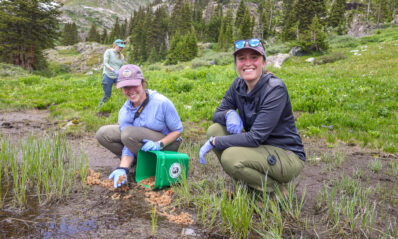
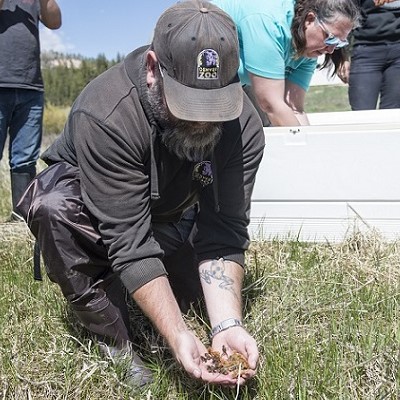
On June 3, Denver Zoo amphibian experts Tom Weaver and Derek Cossaboon, and staff member Judy Mead, traveled to a remote area of the Paunsaugunt (pronounced “PAWN-suh-gant) Plateau in southwestern Utah to release more than 620 toads, which had been hatched and raised at the Zoo, into their native range. The successful breeding and release of this magnitude is a boon to the population of these high-altitude amphibians and future efforts to save the endangered species from extinction.

“As zoologists, it’s incredibly important that we apply our passion for wildlife to the animals in our care and leverage our expertise to help wild populations,” said Weaver. “This initiative really connects what we do here at the Zoo with our ongoing efforts to save wild animals, and serves as a testament to the collective expertise we share with other zoos and partners. It’s a career high.”

But success did not come quickly or easily. It took years of work, many experts and shifts in our approach. Read on below to learn about our journey to reach this point:

Breeding Barriers

In 2011, the Utah Division of Wildlife Resources sent small groups of boreal toad “assurance populations” to Denver Zoo and other institutions. We cared for the animals for behind the scenes until they were mature enough to start breeding. In 2016, Weaver and Cossaboon attempted to get the toads to breed by simulating hibernation, but neither of the female toads produced eggs. Several other institutions, including Henry Doorly Zoo and Aquarium, Hogle Zoo and Loveland Living Planet Aquarium, experienced similar struggles breeding their assurance populations.

Third Time’s the Charm

In 2019, our on-staff research manager and reproductive specialist, Dr. Anneke Moresco, got involved to develop a new breeding plan after two failed attempts. She implemented a new hormone protocol from Detroit Zoo, and Cossaboon adjusted their hibernation parameters, lowering the temperature down to just above freezing. As a result, soon after they came out of hibernation in early April, the females laid an estimated 1,000 eggs. Over the next eight weeks, more than 600 eggs hatched into tadpoles and started metamorphosizing into young toads. When the toads were mature enough, Dr. Scott Larsen tested the toads for chytrid and visually examined them to make sure they were healthy for travel and release (yes, they got a health certificate). Once ready, Weaver and Cossaboon carefully prepared them for transport for release in Utah.

An Amphibian Adieu

With the help of the U.S. Forest Service, Hogle Zoo and the Utah Division of Wildlife Resources, all the toads were released on June 3. It had been an unusually cold spring, and the night of the release, a deep frost set in over the site. The toads were released that morning, and over the next few days, were observed eating and moving as far as 75 feet away from their release point-quite a distance to travel when you’re only an inch long!

All for One, One for All

News of the release spread quickly throughout the conservation community, and other facilities started reaching out wanting to know how we did it. We meticulously documented every step in the process it took to successfully breed the toads, from the specific hormone protocol, the water temperatures to what we fed the tadpoles, in the hopes that we and other institutions can replicate our success for boreal toads-and other amphibian species-in the future.

Banking on Success

By Stephanie Hinkle, Certified Veterinary Technician  

When Dobby the reticulated giraffe was born in 2017, he faced life-threatening health issues. He wasn’t nursing enough, so he wasn’t getting vital antibodies, which put him at a high risk for infection and possibly death. But a plasma transfusion, with plasma from a Cheyenne Mountain Zoo giraffe, saved Dobby’s life.  That same year, another plasma transfusion, with plasma from a Columbus Zoo okapi, saved our baby okapi Forest. Dobby’s and Forest’s stories are just a few of the successes that can be attributed to plasma and blood banking. And in the last few years, our veterinary medicine team has spent more time banking plasma and blood from the animals in our care, so that we can help the animals at our zoo and other institutions around the country.    

Why Plasma? 

Dobby and Forest benefited from the antibodies found in plasma, but plasma itself has many other uses. Plasma is the liquid portion of blood that carries cells and proteins throughout the body. In our Asian elephants, plasma transfusions can be crucial for treating a deadly virus called elephant endotheliotropic herpesvirus (EEHV), so it’s necessary that we have plasma on-hand to treat our elephants or share with other zoos if needed.  

Trial and Error 

One of the first animals we tried plasma banking with was Rudy, our 25-year-old black rhino. Rudy has iron storage disease, and one treatment for his condition is to collect nearly three liters of blood over the course of three weeks. In addition to helping lower his iron levels, it also gives us the opportunity to collect plasma during his treatments. Even though Rudy is already trained to participate in his own medical care, the vet tech team and his keepers had to try a few different techniques to collect enough blood in each session.  

At first, gravity was not our friend. We collect blood at Rudy’s “wrists,” which are very close to the ground. That meant there was no way to get the bag low enough to collect more than a few milliliters of blood at a time. We switched to a different method, which helped us collect 250-500 mL, but that still required several sessions to get the desired amount of blood. We continued to use the technique for several months until I went to a conference at Columbus Zoo, where I was able to learn from other vet techs who had a technique that allowed them to collect up to a liter of blood in one session. We tried it with Rudy and collected a full liter in his first session!  

Like Rudy, Groucho, our 50-year-old male Asian elephant, is also trained to work with keepers and participate in his medical care. Using the same technique we applied to Rudy’s collection, we went from collecting 500 mL of blood per session, to getting a whole liter of blood, which means more plasma to bank for our elephant herd. The vet tech team also works closely with the keepers at Toyota Elephant Passage to monitor for signs of EEHV in all our elephants. 

Your Support 

With a commitment to being a leader in animal care, Denver Zoo decided it was time to purchase our own plasma transfusion equipment. Not only is on-hand plasma vital to the health and longevity of animals here at Denver Zoo, but it will enable us to provide emergency transfusions to animals around the country.  

Collectively, our donors have contributed more than $32,000 to purchase the plasma transfusion equipment. Your generosity will give us the power to perform instantaneous and life-saving transfusions for the animals that call Denver Zoo home.  

Thank you for your commitment to Denver Zoo. From Dobby, Forest, Rudy, Groucho and many more, we are grateful for you.  

Helping Elephants at Home and Abroad

At Denver Zoo, our support for Asian elephants extends far beyond the care we provide for our five bachelors, Groucho, Bodhi, Billy, Jake and Chuck. We’re also  proud to contribute to and serve on the board of International Elephant Foundation (IEF), an organization dedicated to elephant conservation, education and research. Each year, IEF funds worthy projects worldwide that support all elephant species, and recently announced their support for 24 conservation projects in 13 countries on three continents.  

In 2019, IEF will provide more than $650,000 to protect elephants from poaching, seek solutions for human-elephant conflict, equip and train community conservationists, increase our knowledge of the treatment and prevention of disease and educate people. IEF’s Asian elephant footprint stretches from the forests of India and Nepal to Myanmar and the island of Sumatra, protecting and securing habitats for Asian elephants, which are classified as endangered by the International Union for the Conservation of Nature, and whose numbers are estimated at fewer than 40,000.  

 “We partner with and support IEF because it’s a very strong organization, providing significant support for Asian and African elephants across their native ranges,” said Senior Vice President for Animal Sciences Brian Aucone, who represents Denver Zoo on the IEF board that determined this year’s grant award recipients. “The key factor for the projects we help support with IEF is they also work with local human populations to help reduce conflict. They get to the core root of the problem and try to find ways to make it easier for elephants and humans to coexist.”   

 Among the projects that Denver Zoo is helping to support include supporting Elephant Response Units, groups of forest rangers, mahouts (elephant caretakers) and elephants that work to monitor wildlife activity, address and stop forest crime, and protect valuable habitat for endangered species across Indonesia. Another project aims to reduce threats to elephants and mitigate human-elephant conflict in the core of the Cardamom Mountains of Cambodia by securing landscape and habitat for Asian elephants and supporting local government and communities.  

Learn more about how Denver Zoo protects wildlife conservation efforts here and around the world, and how you can lend your support.  

Helping the Tiniest Among Us

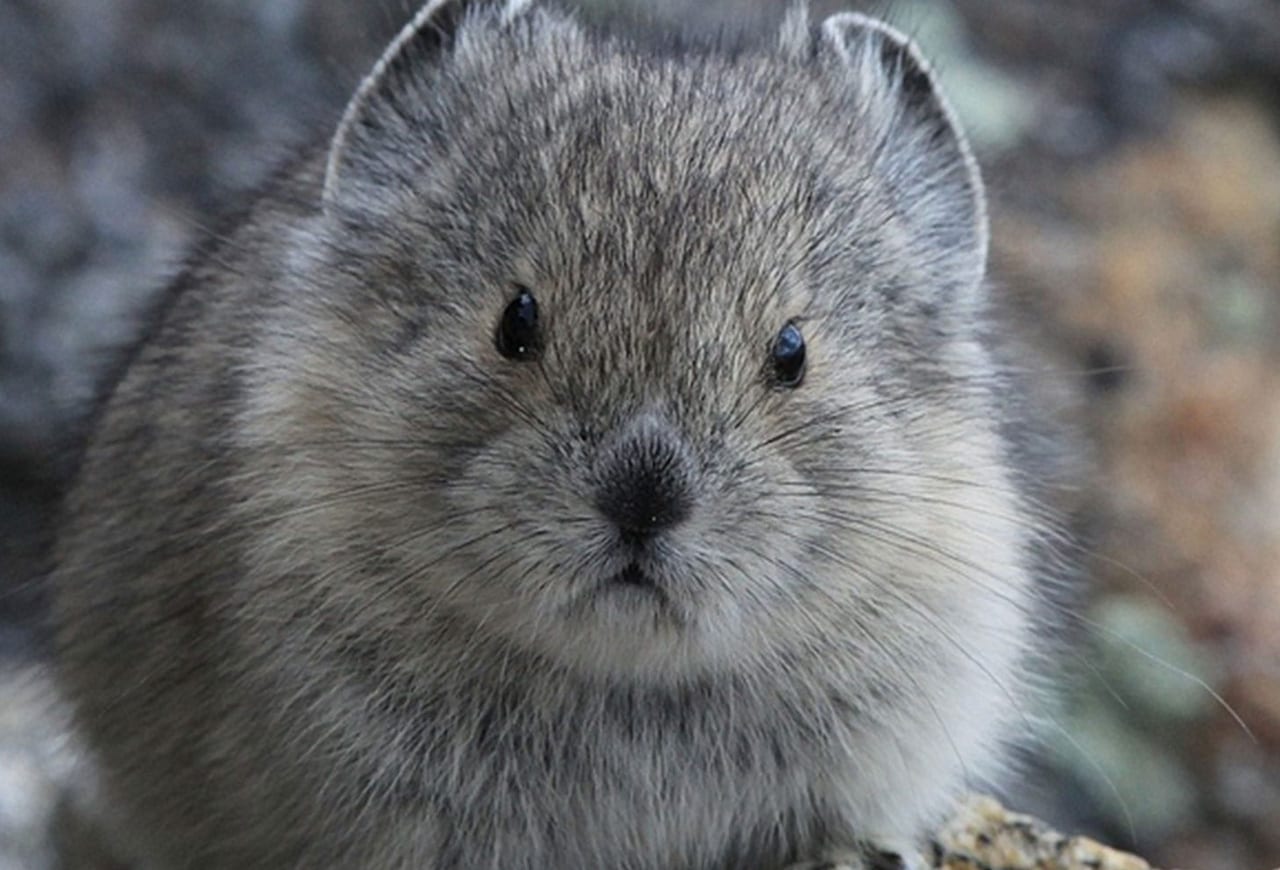
One of the cutest critters in Colorado could be in trouble. The American pika, a relative of the rabbit with a tiny tail and iconic “eep” call, may be vulnerable to changes in climate in their alpine homes. Pika rely on the snowpack and cool temperatures their high-elevation habitats offer. As the snowpack melts earlier each year, and summer temperatures rise, biologists are concerned that pikas may be at risk of freezing and more vulnerable to heat stress in the summer. These effects could prove problematic for people, too, as changes in water resources impact what we all depend on downstream.

Canary in the Coal Mine

Pika are what scientists call an “indicator species,” meaning shifts in their numbers can tell us something about how climate change is altering life in the mountains that Coloradans deeply cherish. Over the last decade, we have seen dramatic declines in pika populations across the lower elevation portions of their range, which has been attributed to changes in climate. Although we have not seen evidence of declining pika populations in Colorado to date, pika may be vulnerable to climate change impacts in Colorado in the near future. Despite the increasing concern for this species, there’s not enough data to assess pika’s vulnerability to climate and develop management strategies to conserve pika and their alpine habitats.

Teaming Up

In response to the need for more data on how environmental changes impact pika, Denver Zoo and Rocky Mountain Wild came together to form the Front Range Pika Project (FRPP) in 2010. With the advice of researchers from the University of Colorado, the FRPP brings together citizen scientist volunteers to collect data on pika populations across Colorado. These volunteers are typically experienced backcountry hikers and outdoor enthusiasts (but anyone is welcome to help!), who attend classroom and field training in July, then visit pika territory to gather data between July and October.

Expanding Our Reach

Recent research predicts that Rocky Mountain National Park (RMNP) may see a dramatic reduction in the pika’s habitat by the end of the century due to the impacts of climate variability on alpine ecosystems. Given this projection, RMNP officials asked the FRPP to help collect the data needed to help understand and protect pika habitat.

Passionate volunteers and donors who care about conservation make this all possible. Thanks to our 125 volunteers, we are collecting critically important data. With support from the Dr. Scholl Foundation, FRPP will monitor 40 sites in 2019 (up from 20 sites in 2018) with the goal of expanding to 70+ sites in RMNP in the years ahead. The foundation’s generous support meant that we could recruit and train new volunteer citizen scientists and purchase essential high-altitude gear, including GPS units, manuals and rope for high elevation treks.

We all need to come together to support the conservation of important species. The FRPP is a prime example of how organizations can work together to make a difference. Denver Zoo, Rocky Mountain Wild, Rocky Mountain National Park, The University of Colorado, Colorado State University and the Dr. Scholl Foundation are all in for the tiny American pika. Are you?

Learn more about the Front Range Pika Project and how you can lend your support.

Photos by John Linsley, Dick Orleans and Denver Zoo staff

Celebrating World Frog Day

By Natalie Ingle

Frogs don’t make a lot of headlines. They’re not especially charismatic, and they don’t seem to capture the public’s imagination like elephants, rhinos or tigers-animals whose conservation plights and efforts to save them are well known around the world.

But take one look at a Lake Titicaca frog (LTF), and you might change your mind. Thanks to their forward-facing eyes and a mouth that seems stuck in a perpetual lazy smile, there’s something distinctly human-like about their faces. LTFs also happen to be the top native predator in their namesake lake and are considered the world’s largest entirely aquatic frog, once measuring up to 20 inches from toe to toe in the days of Jacques Cousteau.

They’re smaller these days, a little harder to find and are now classified by the International Union for Conservation of Nature as critically endangered. Over the past decade since Denver Zoo began studying the species in Peru, periodic die-offs, which kill thousands of frogs at once, have been occurring with growing frequency and intensity, with mining runoff and untreated sewage as the suspected culprits. The frogs are also harvested for use in homeopathic “smoothie” recipes that promise virility, cures from diseases and a variety of other unproven health benefits. To make matters worse, just a few years ago, Denver Zoo’s researchers published the first documentation that chytrid fungus, which is blamed for drastic declines in amphibians worldwide, was present on the Peruvian side of the lake.

So how could a zoo hope to combat such lopsided threats? By leveraging our expertise in five core areas: 1) community engagement & conservation education, 2) building the capacity of local organizations, 3) improving protected area management, 4) influencing policy and 5) utilizing our skills in exhibit design and captive breeding.

World Frog Day may be new to most Americans, but Peruvians have been enjoying their own Frog Day for years. In partnership with Lima-based Huachipa Zoo and Titicaca National Reserve, we helped launch this beloved event in 2010 to raise awareness about the LTF and its plight. With a person-sized LTF mascot, hands-on activities, and frog-themed celebrations, these events in Lima and Puno are designed to dispel popular myths, increase pride in the frog as a unique national treasure and empower participants to help save it. Ccori Ampara, a women’s collective that we helped establish, also leverages local pride in the LTF by creating frog-festooned handicrafts made with Peru’s famous alpaca wool.

Meanwhile, we’ve worked closely with reserve management to better understand what conditions the frog needs to survive. This first required our Peru Program Director, Roberto Elias, to coach rangers in snorkeling and conducting aquatic surveys. We also partnered with a Colorado high school where students developed a remotely operated vehicle (ROV) to support underwater research. In 2010, we co-facilitated the first ever stakeholder workshop to develop a conservation strategy for LTFs.

Eventually, these efforts began to generate regional and even international attention (see articles in The Guardian, National Geographic, and Wired, among others). People started to realize that some of what was killing the frogs might be making its way into the water they used for drinking or growing crops. The Peruvian government took notice, too. In 2012, it declared the Lake Titicaca frog a species of conservation interest, elevating LTFs to the highest priority in the Lake Titicaca region.

Visitors to Denver Zoo’s Tropical Discovery exhibit may have noticed that we’ve also had great success with captive breeding of LTFs. We were the first zoo in the northern hemisphere to do so and have since shared more than one hundred frogs with other zoos and aquaria. In Peru, we helped Huachipa Zoo get their own LTF exhibit up and running, complete with interpretative signage and educational programs to celebrate the frog.

With all of these tried and tested strategies in-hand, we’re now turning our attention to one of the LTF’s closest relatives-the endangered Lake Junin frog. Its habitat sits at over 13,000 feet in elevation, but the threats to its survival are largely the same.

We were recently awarded a prestigious National Geographic Society grant to ramp up our efforts in Junin. Our first steps will be answering key questions about the frog itself, what environmental factors it requires to thrive (and which factors may be leading to its decline) and whether it’s struggling with chytrid or other diseases.

We’ll also work with local communities to begin monitoring and caring for smaller bodies of water, including canals and streams that feed into the lake. Volunteer leaders from those communities will help design strategies to cut down on herbicide runoff, minimize disturbances and reduce frog harvest, while encouraging neighbors to report sightings of the frog. Through the process, they’ll learn that what’s good for the frog is good for people, the first step in raising concern for the health of the lake-which also happens to be the headwaters of a tributary into the Amazon.

And just like we did with the LTF, we’ll advocate for the government to recognize the Junin frog as a species of “conservation interest.” Such a move would increase the likelihood that officials would direct public funding to support our collective efforts.

Huachipa Zoo is also preparing to gather a few wild Junin frogs to start an assurance population, an important step in ensuring the species persists even if it becomes extinct in the wild. If threats can eventually be brought under control, these animals could help re-establish a wild population. Once permits are lined up, our Peru Program Director will help guide the expedition to find and collect the frogs.

In the meantime, Denver Zoo, Huachipa Zoo, and another local partner, Grupo RANA, are already planning outreach efforts to give Peruvians even more to be proud of. On this World Frog Day, we hope you’ll share a greater appreciation for our tiny-but-mighty amphibians, too.

Learn more about our work conserving LFTs and Junin giant frogs in Peru and what you can do to help.

Photos by Denver Zoo staff and Andrew Watson

Denver Zoo Donates Three Bison to Southern Plains Land Trust

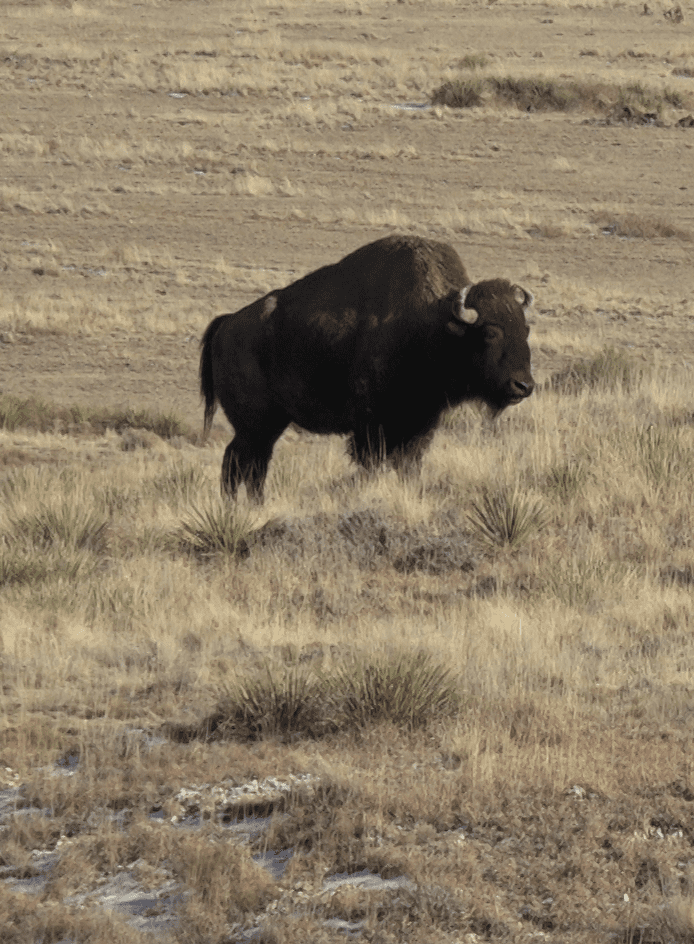
Two-hundred miles away from Denver Zoo, on a ranch near Lamar in the southeast corner of Colorado, a trailer opens, and two adult female bison walk out, followed by a feisty young calf. After a moment to regroup, the bison wander farther and farther away, clearly comfortable in what will now be their forever home.

The adult bison used to live at Denver Zoo, but spent the last decade on loan at a different ranch in southeast Colorado. In 2017, Denver Zoo approached the Southern Plains Land Trust (SPLT) to see if these bison, and a seven-month-old calf, could move permanently to the Heartland Ranch. Executive Director Nicole Rosmarino says it was an easy yes, and a year later, the bison made their way to Heartland Ranch.

“We were thrilled to work with Denver Zoo on this,” said Rosmarino, “This is a sanctuary for them, and I think that was an important part of the conversation that we guarantee total refuge, and we give total refuge, not only to bison, but to all the wildlife that utilize Heartland Ranch.”

In addition to the bison, Denver Zoo also donated $25,000 to SPLT for the lifetime care of the animals.

The three donated bison will join the resident herd, which made up of 85 bison that play a key role in restoring the natural ecosystem of the region.

“Bison are a crucial animal to have back on the short-grass prairie and are considered a keystone species,” said Rosmarino. “They literally maintain grasslands by knocking down shrubs, and through their wallowing activities, they create shallow depressions which create pools when it rains, which benefits everything from wildflowers to birds to amphibians.”

The Heartland Ranch is part of the SPLT’s network of wildlife preserves, which are dedicated to restoring ecosystems, and creating sanctuaries for animals like bison, pronghorn and prairie dogs.

“We have almost the entire system back in place much like it would’ve been 200 years ago, so the bison have really been fantastic to have back here,” said Rosmarino.

Even though the bison are important to the preserve, Rosmarino says the only thing the bison have to do is enjoy their new home at Heartland Ranch.